

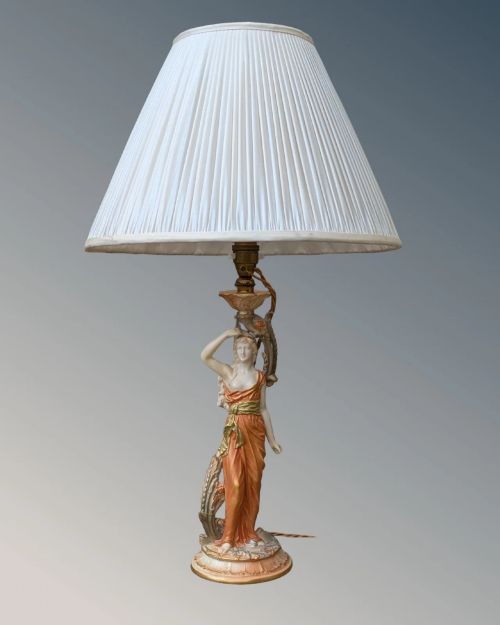
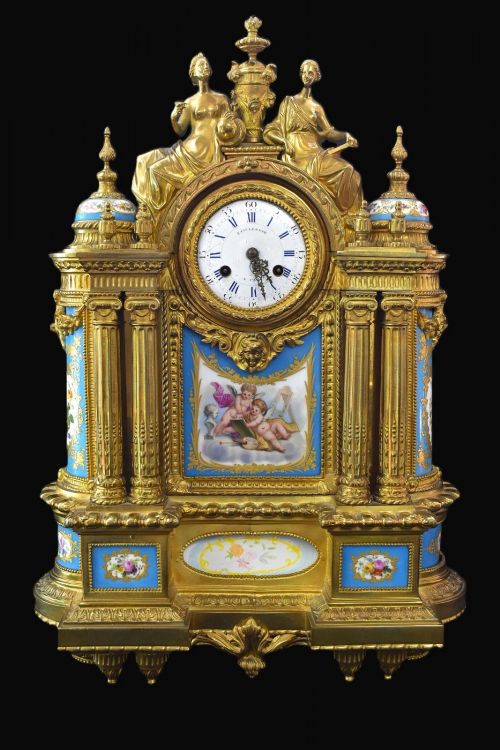


Classical Porcelain Figure
A classical porcelain figure brings mythology and ancient form into a room, rendered in glazed ceramic or matte white parian.
Classical Porcelain Figure
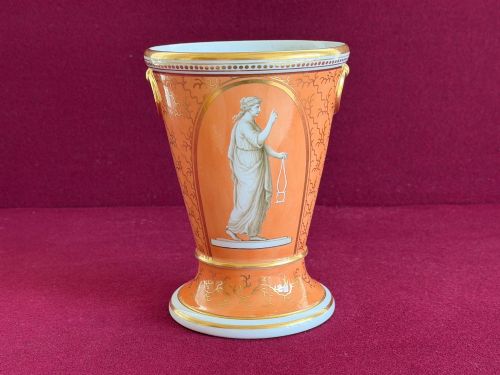
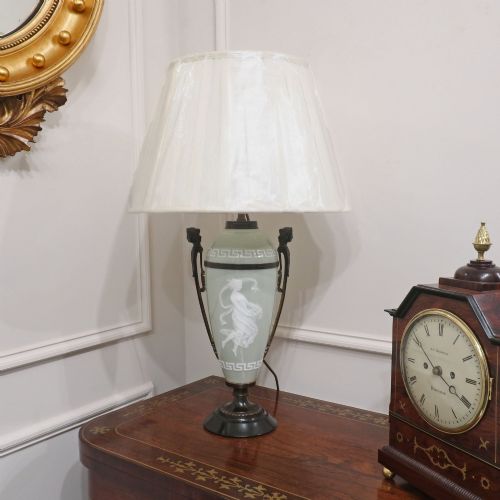
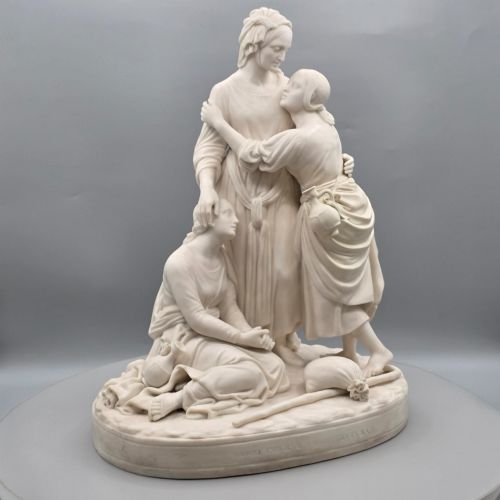
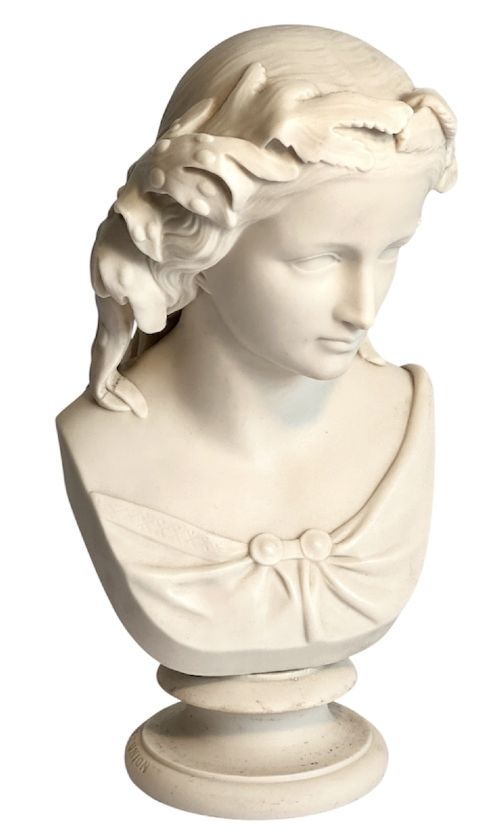
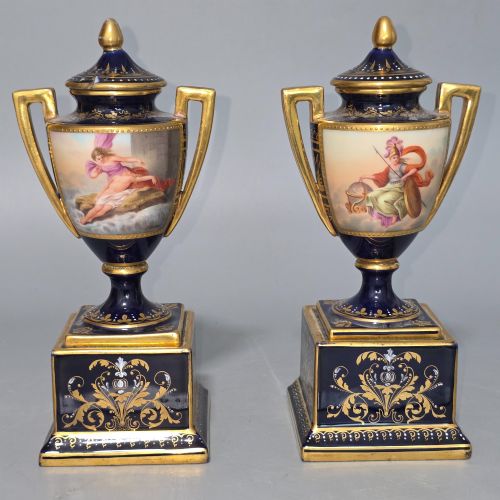
A classical porcelain figure draws on ancient Greek and Roman mythology, depicting deities, allegorical subjects, and idealized maidens in sculptural form. These pieces emerge across the eighteenth, nineteenth, and early twentieth centuries in varying scales from cabinet models to large table groups.
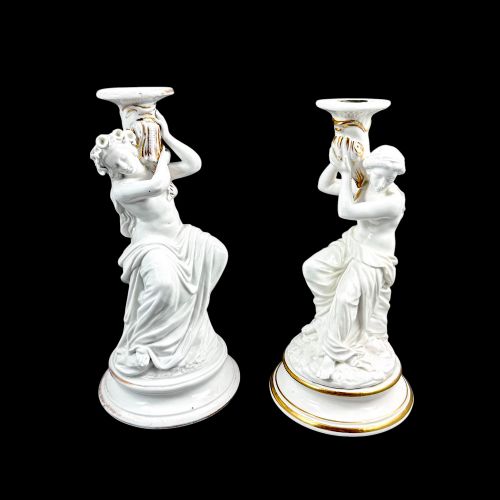
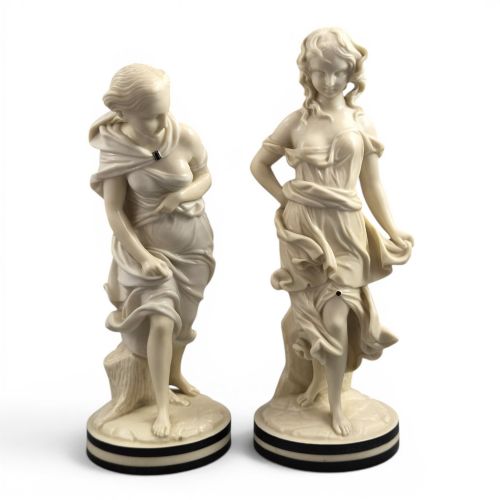
The versions most commonly met here span Georgian manufactories, Victorian revivals, and later productions from major British and continental potteries. They take the shape of single figures, pairs, figural candlesticks, and elaborate sculptural groups.
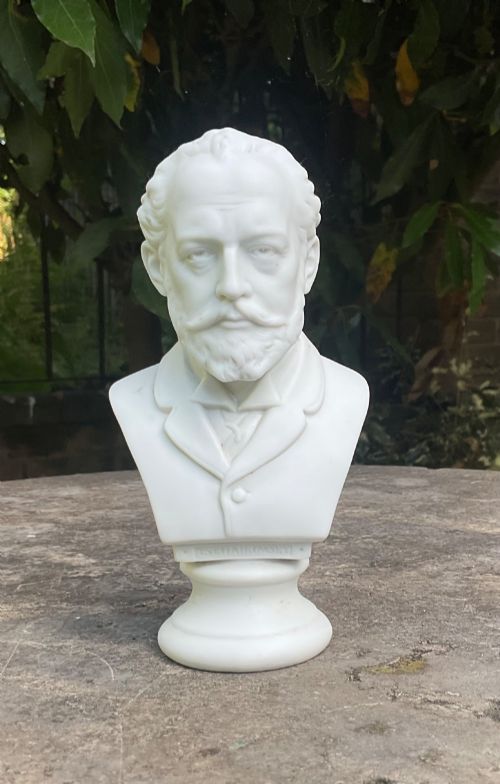
Makers adapt classical motifs to suit changing interiors, moving from eighteenth-century glazed enamel models to nineteenth-century parian bodies that mimic carved marble.
How they were made
Makers shape these pieces using porcelain, biscuit porcelain, and parian porcelain, often incorporating enamel, gold leaf, and hand-painted gilding to highlight details. Biscuit and parian bodies remain unglazed, offering a matte surface that absorbs light and shows fine sculptural carving.
Potteries utilise press-moulding and slip-casting techniques to form complex figures, sometimes assembling them from numerous separate parts before firing. Painters then apply enamel colours and gilding by hand on glazed examples, while parian pieces rely purely on the crispness of the porcelain paste.
Several eighteenth-century figures depict classical deities engaged in domestic disputes or dramatic distress.
What varies in quality
The application of enamel and gilding further distinguishes the work, with finer models showing precise hand-painting rather than mechanical transfer printing. The purity of the porcelain paste and the absence of firing flaws across large sculptural groups mark out the superior workshop outputs.
Flight And Barr Worcester·Minton·Copeland·Royal Worcester·Derby Porcelain·Bow Porcelain·Samson Paris·Royal Dux·Royal Vienna
The Classical Porcelain Figure Glossary
- Parian porcelain
- A fine-grained unglazed porcelain developed in the nineteenth century to imitate carved marble. It fires to a smooth, matte finish well suited for classical statuary.
- Biscuit porcelain
- Unfired or once-fired porcelain left unglazed to produce a matte, white surface resembling marble. It is also known as bisque.
- Pate sur pate
- A French ceramic technique where raised designs are built up in successive layers of white slip on a contrasting coloured ground. It creates a cameo-like translucent effect.
- Gilding
- The application of gold leaf or powdered gold suspended in a medium to ceramic surfaces. It accents borders, drapery, and bases.
Classical Porcelain Figure: Frequently Asked Questions
What is parian porcelain?
Parian porcelain is a vitrified ceramic material developed in the nineteenth century specifically to replicate the appearance of carved white marble in sculptural figures.
It contains a high proportion of feldspar, which melts during firing to create a dense, slightly translucent body that requires no glaze.
How do I date an antique figure?
Dating relies on identifying factory marks, impressed numbers, and the specific composition of the porcelain paste used in the piece. Stylistic clues such as costume, base design, and modelling techniques also help narrow the period of manufacture.
Comparison with documented factory models in museum archives provides further confirmation of the production era.
Where were these figures made?
These pieces originate from major European ceramic centres, with significant production in England, France, Germany, and Austria. Prominent factories included Derby, Worcester, and Meissen, alongside French and Viennese workshops.
Many nineteenth-century English works emerged from Staffordshire potteries and manufacturing houses.
How do I clean antique porcelain?
Cleaning requires a soft, dry brush to remove dust from crevices and delicate extremities without causing abrasion. Unglazed biscuit and parian surfaces absorb moisture readily and should not be washed with water or cleaning solutions.
Glazed pieces tolerate gentle wiping with a damp cloth if necessary, but marked or gilded areas need particular care.