




Royal Worcester Sculpture
Royal worcester sculpture brings together Victorian and Edwardian porcelain figures, classic models and exotic Hadley designs modelled with exceptional detail.
Royal Worcester Sculpture
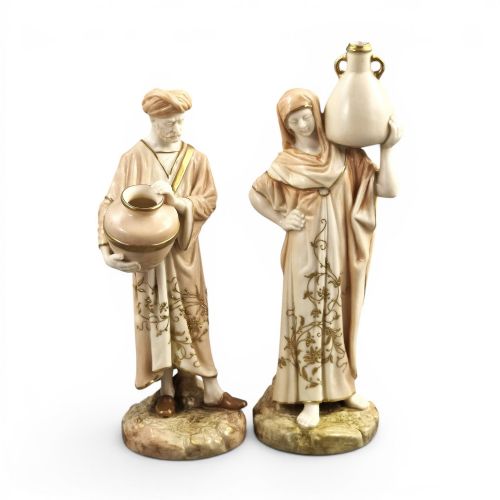
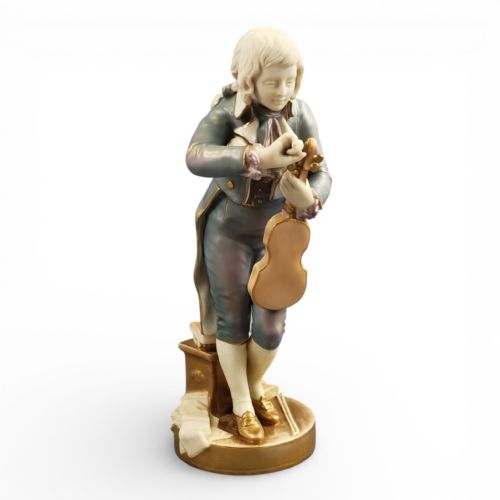
When you search for royal worcester sculpture, you encounter intricate porcelain figurines, decorative statuettes and jardinières created across the Victorian, Edwardian and later decades. These pieces range from classical maidens and cherubs to ethnographic figures such as water carriers and musicians designed by James Hadley.
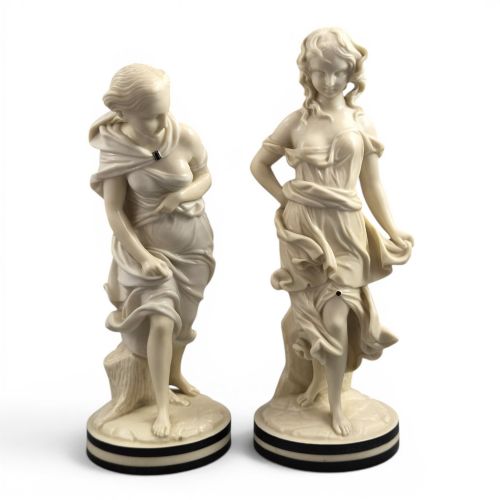
You are most likely to meet Victorian and Edwardian examples on this page, including blush ivory pieces, parian ware figures and gilt-accented porcelain. The forms span mythological subjects, rustic figures and orientalist studies produced in Worcester during the late nineteenth and early twentieth centuries.
Materials and methods of production
Makers shaped these works from fine porcelain and parian ware, applying detailed glazes, enamel colours and gold leaf highlights. Techniques such as shot enamel and patent metallic finishes created subtle colour shifts and metallic sheens across the modelled surfaces.
Potters cast and hand-finished the figures, mounting many upon circular rustic bases or integrating naturalistic elements like tree stumps and fences. The application of blush ivory grounds and delicate gilding required precise control in the kiln to achieve the desired finish.
Listings feature porcelain, parian ware, enamel and gilding across Victorian, Edwardian and Art Deco styles.
Distinctions in quality
Surface decoration and finish further differentiate the range, where careful hand-painting, well-preserved gilding and complex enamel palettes elevate a piece. The complexity of the subject, from single figures to large multi-figure groups like water carriers and musicians, also defines the ambition of the work.
James Hadley
The Royal Worcester Sculpture Glossary
- Blush ivory
- A softly shaded cream porcelain body introduced by Royal Worcester, often decorated with gilt and floral motifs. This finish provided a muted background for painted details.
- Parian ware
- A fine-grained unglazed biscuit porcelain resembling antique marble, used extensively for classical figures during the Victorian period. It allowed crisp surface detail without losing the appearance of stone.
- Shot enamel
- A specialised colouring technique creating iridescent hues that shift in tone depending on the viewing angle. It appeared on select figurative models around the turn of the twentieth century.
- Patent metallic
- A distinctive finish developed to impart a metallic sheen to ceramic surfaces, frequently utilised on orientalist and ethnographic figures.
- Jardinière
- A decorative ceramic pot or stand for plants, sometimes modelled with figural supports or scenic rustic elements as seen in Victorian examples.
Royal Worcester Sculpture: Frequently Asked Questions
What periods do these sculptures span?
The pieces range from the Victorian era through the Edwardian period into the 1920s and 1930s.
Most items date from the late nineteenth century, reflecting the neoclassical, orientalist and revivalist styles popular at the time.
How were these figures displayed originally?
These sculptures served as interior ornaments on mantelpieces, sideboards and tables within Victorian and Edwardian homes.
Larger models and jardinières stood upon pedestals or furniture surfaces as central decorative elements.
What is blush ivory porcelain?
Blush ivory is a signature matte cream ceramic body developed by the factory to mimic aged ivory.
It frequently serves as the canvas for delicate enamel painting and gilding.
Who was James Hadley?
James Hadley was a prominent modeller and designer working at the Worcester factory during the nineteenth century.
His sculptural output included complex ethnographic and classical figures marked by exceptional detailing.