





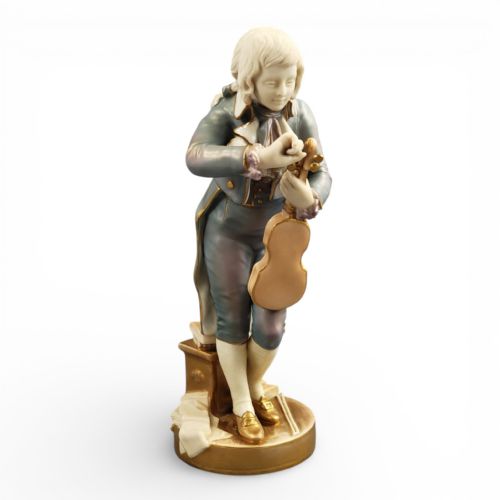
Gilded Ceramic Figurine
When you handle a gilded ceramic figurine, you hold centuries of European and Japanese modelling skill finished with gold leaf or metallic paint.
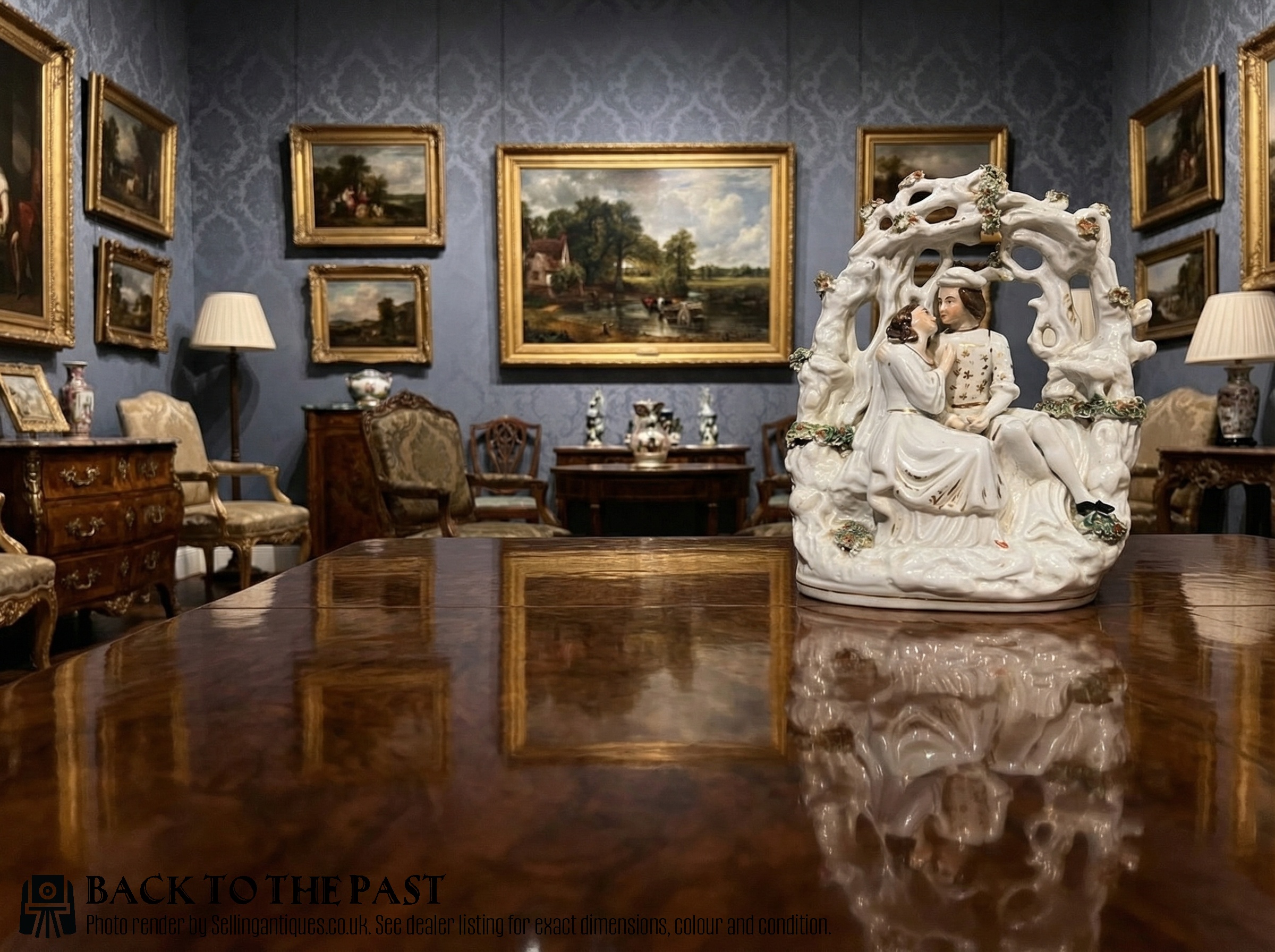
Gilded Ceramic Figurine
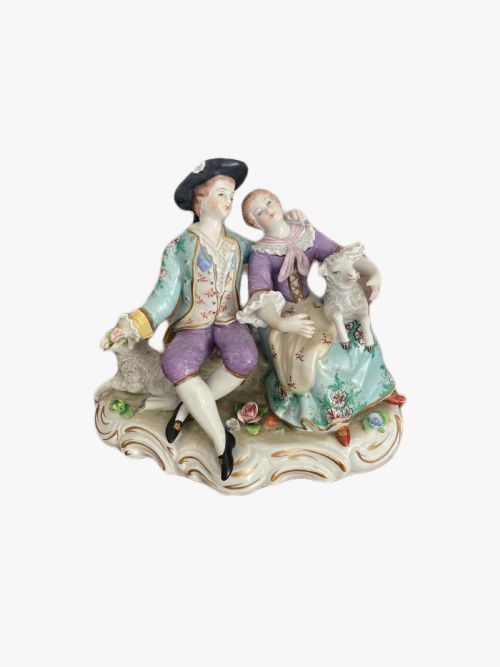
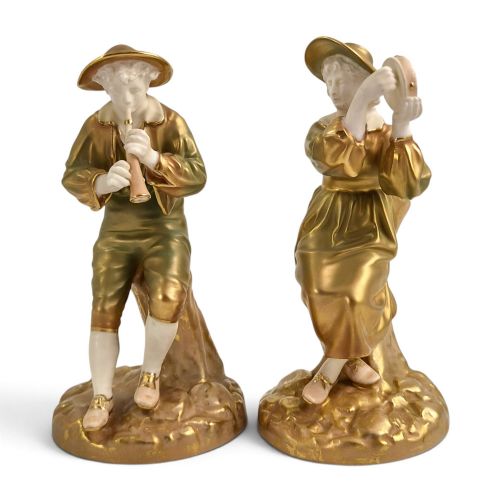
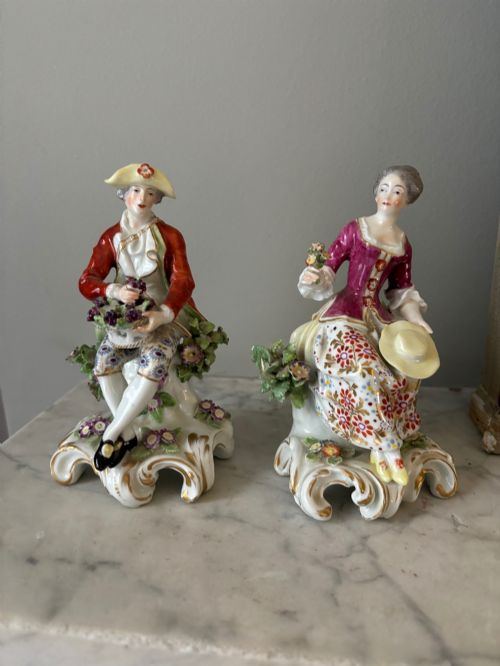
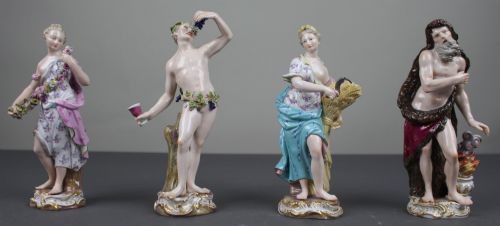
A gilded ceramic figurine encompasses porcelain and earthenware figures accented with gold leaf, gilt, or enamel. The examples gathered here span from the 18th century through the Edwardian period, capturing human forms, deities, animals, and allegorical groups.
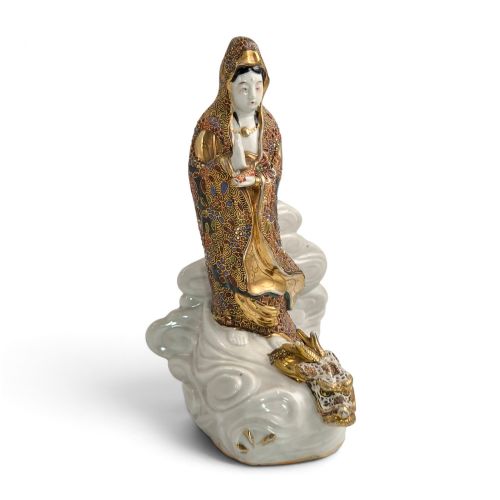
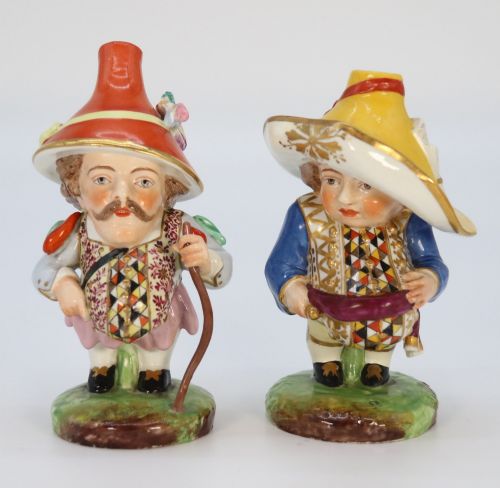
The most common items on this page are 19th-century porcelain figures from European factories like Meissen, Derby, and Samson, alongside Japanese earthenware and Satsuma okimono. These objects served primarily as decorative mantel ornaments or table centerpieces in period interiors.
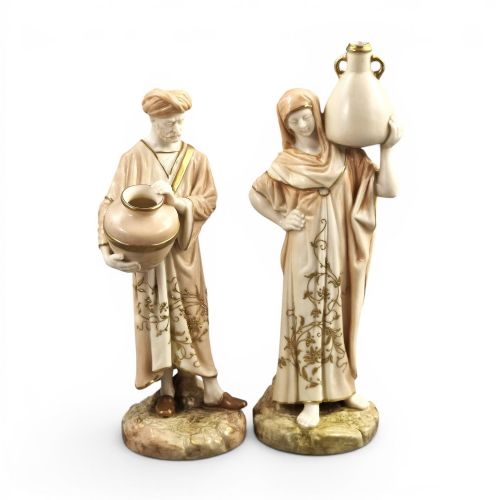
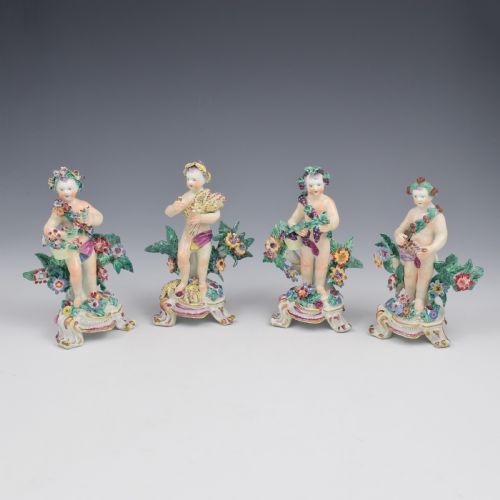
Makers utilised various styles, notably Rococo Revival and Victorian Orientalism, to model mythological figures, rustic allegories of the seasons, and foreign characters. Each piece demonstrates how kilns integrated metallic enrichment into fired ceramic bodies.
How they were made
Potters shaped these figures using hard-paste porcelain or earthenware, often building complex groups in multiple moulded sections before firing. Details like bocage foliage or delicate lace required meticulous hand-assembly by skilled artisans before the initial kiln stage.
Following the first firing, painters applied enamel colours and gold leaf or liquid gilding by hand, returning the piece to the kiln to fuse the metallic layer onto the glaze. The durability of the gold depends entirely on the firing temperature and the purity of the metal used.
Gilded Ceramic Figurine Retail Price Guide 2026
Typical asking prices for gilded ceramic figurine among the pieces listed under this phrase on Sellingantiques today, from the lower quarter to the upper quarter. They describe what is for sale here now, not the wider market.
Listings on this page include hard-paste porcelain, earthenware, and enamel materials across both Victorian and 18th-century production dates.
What varies in quality
The crispness of the porcelain modelling dictates the initial tier of quality, separating sharp, deeply undercut moulds from soft, worn later copies. Finer pieces retain intricate facial expressions and delicate fingers without the heavy glaze pooling that obscures detail in lesser examples.
The application of the gilding and hand-painted enamel work introduces another distinction across the range. Superior figures display burnished, neatly aligned gold leaf and subtle shading, whereas ordinary pieces show flat, mechanical paint application with minimal hand-finishing.
Meissen·Royal Dux Bohemia·Royal Worcester·Bow Porcelain·Bourdois and Bloch·Makuzu Kozan·Carl Thieme·Volkstedt
The Gilded Ceramic Figurine Glossary
- Gilding
- The application of gold leaf, powder, or liquid onto the surface of a ceramic body. This technique highlights raised garments, bases, and decorative trim.
- Hard-Paste Porcelain
- A dense, vitrified ceramic compound composed of kaolin and petuntse, fired at high temperatures. It forms the durable white body of many 18th and 19th-century European figures.
- Bocage
- An open background of modelled leaves and branches common in 18th-century porcelain figures. It frames the central subject with naturalistic foliage.
- Okimono
- A Japanese decorative carving or figurine designed for display on a household altar or in a tokonoma alcove. These figures often depict deities, historical personages, or animals.
Gilded Ceramic Figurine: Frequently Asked Questions
Were these figures meant for daily use?
These pieces were strictly ornamental objects intended for display on mantelpieces, sideboards, or glass-fronted cabinets in prosperous homes.
Because of their brittle ceramic bodies and fragile gilded surfaces, owners placed them safely out of reach of high-traffic areas.
How can I tell an 18th-century figure from a later copy?
Examine the unglazed base, known as the footrim, for signs of age, wear patterns, and the texture of the porcelain body. Eighteenth-century pieces often display characteristic firing flaws and hand-painted factory marks rather than printed stamps.
Later revival pieces from the 19th century usually feature brighter, more uniform gilding and heavier, glossier glaze layers.
What do allegorical figures usually represent?
Allegorical figures frequently depict abstract concepts like the Four Seasons, the elements, or virtues through human or putti forms. An autumn figure might hold grapes, while winter often wears heavy garments or sits near a brazier.
Victorians and earlier collectors enjoyed these symbolic groupings for their narrative depth and classical associations.