





Polychrome Pottery Group
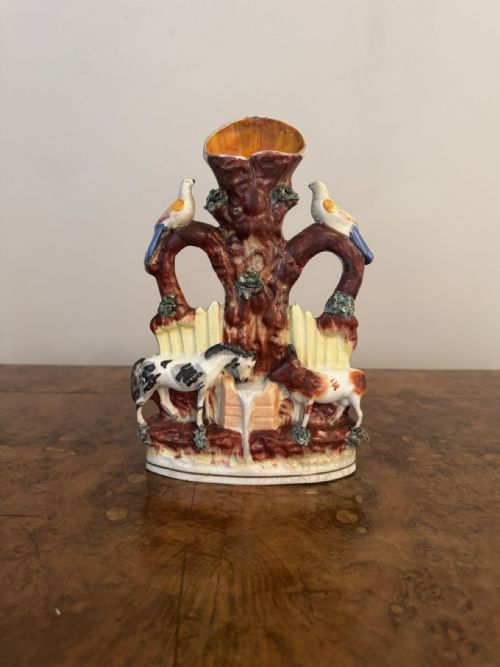
A polychrome pottery group brings colourful narrative figurines and sculptural earthenware into the room, offering a distinct slice of 18th and 19th century folk history.
Polychrome Pottery Group
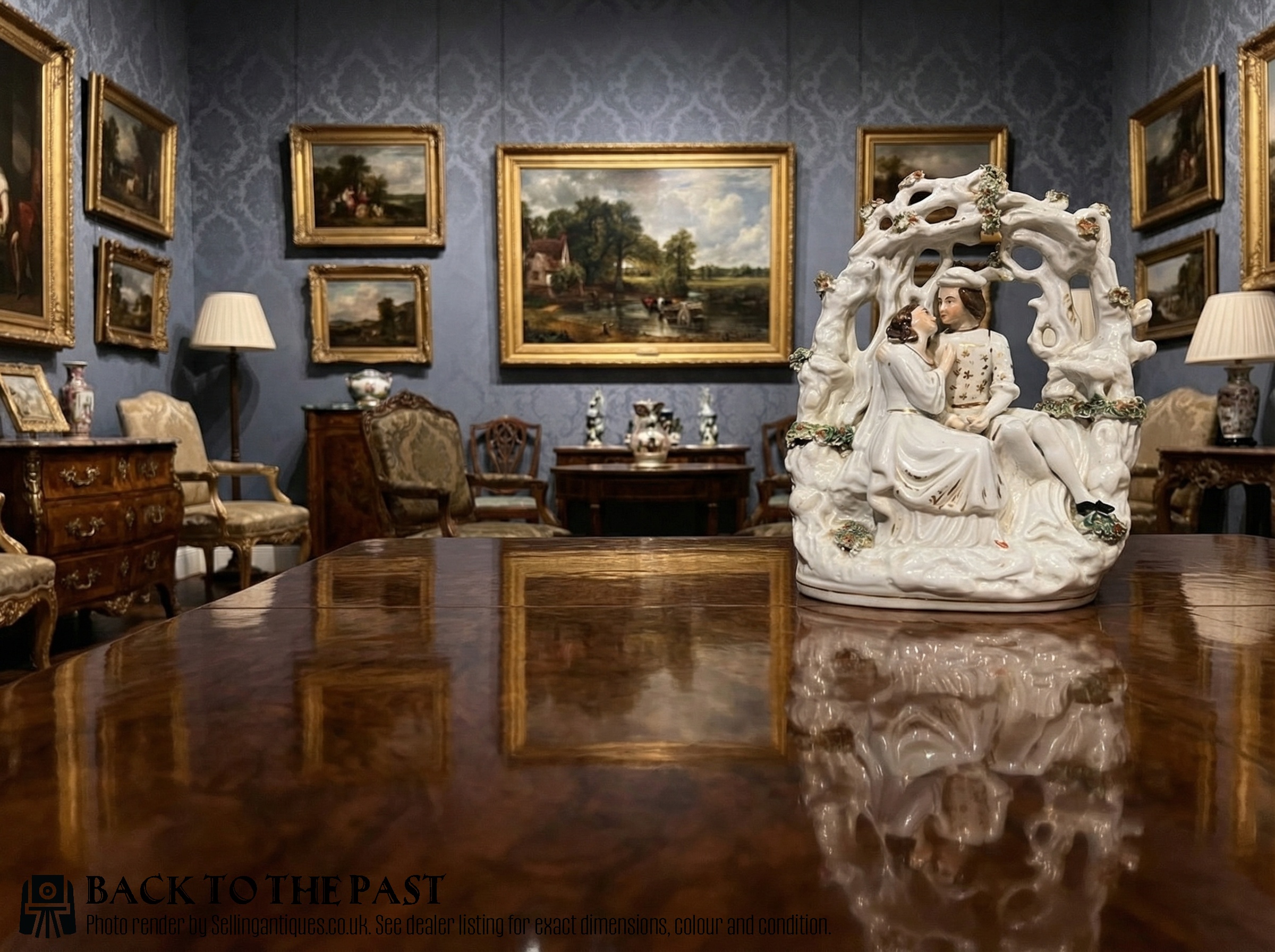
A polychrome pottery group comprises multi-figure ceramic compositions and sculptural groupings, frequently seen in Victorian Staffordshire earthenware alongside earlier pearlware examples. Buyers exploring a polychrome pottery group encounter narrative scenes ranging from literary subjects like Tam O'Shanter to royal portraits and historical events.
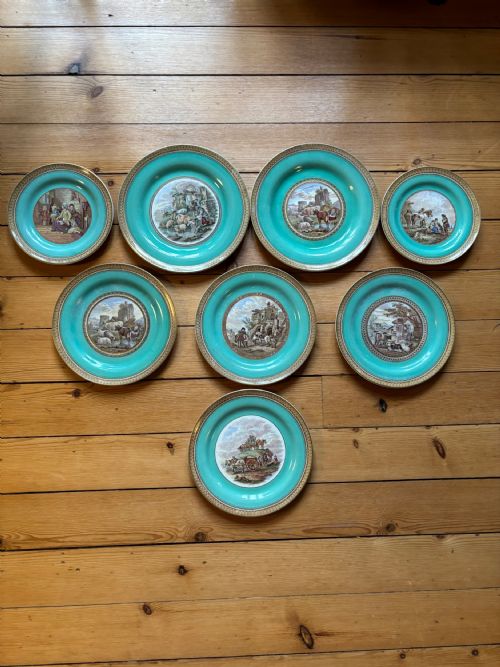
The objects take the form of spill vases, flatback figures, and decorative plates, predominantly originating from 19th century workshops with roots in 18th century traditions. Victorian folk art examples dominate the selection, capturing domestic dramas, temperance themes such as the Band of Hope, and Crimean War subjects.
These ceramic pieces function primarily as mantelpiece ornaments, designed to be viewed from the front as flatback figures or in the round as freestanding groups. Collectors find both single pairs and larger sets, such as Prattware plates or multiple Staffordshire figures, reflecting the varied output of British potters.
Materials and construction
Potters built these figures using earthenware, pearlware, and glazed ceramic bases, shaping the clay through moulding before applying lead glaze and enamel colours. The palette relies on rich overglaze enamels, sometimes accented with gold leaf to highlight details on clothing and furnishings.
The manufacturing process involved firing the moulded clay body, applying a protective glaze, and then fixing the bright polychrome pigments in a subsequent lower-temperature kiln run. Makers utilised flatback construction for mantelpiece figures, ensuring the back was unglazed or simply finished while the front carried the detailed narrative painting.
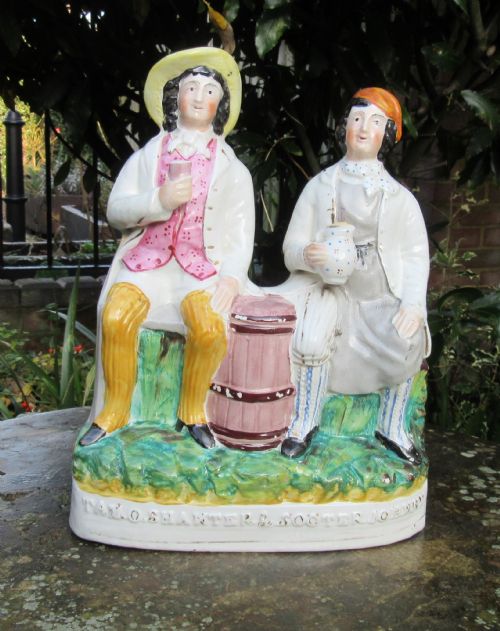
Tavern companions Tam O'Shanter and Souter Johnny frequently appear immortalised in glazed clay.
Evaluating craftsmanship and condition
The vibrancy and completeness of the original lead glaze and polychrome palette preserve the visual impact of the narrative scene. Pieces retaining their original gold leaf highlights and sharp colour separation stand apart from heavily worn or later restored examples.
Ralph Wood
The Polychrome Pottery Group Glossary
- Earthenware
- A porous pottery body fired at lower temperatures, requiring a glaze to become impermeable. It serves as the primary material for the majority of 19th century Staffordshire figures.
- Pearlware
- A refined earthenware developed in the late 18th century featuring a faint bluish glaze that pooled in recesses. It bridges the transition between creamware and later white earthenware bodies.
- Flatback
- A figure constructed with a finished front and a flat, unglazed or minimally decorated rear. This technique allowed potters to save weight and materials for pieces intended to sit against a wall.
- Enamel
- A glass-like substance fused to the surface of fired ceramic during a secondary firing. It provides the bright reds, blues, and yellows characteristic of polychrome decoration.
- Spill vase
- A hollow ceramic figure incorporating an attached cylindrical holder designed to contain wooden tapers for lighting pipes or candles.
Polychrome Pottery Group: Frequently Asked Questions
What are polychrome pottery groups?
These pieces are glazed ceramic sculptures and figurines depicting multiple human or animal subjects in colourful enamels. They capture historical, literary, and moral narratives from the Georgian and Victorian eras.
Potters produced them primarily in British workshops, using moulded earthenware finished with hand-painted details. They served as popular decorative mantelpiece ornaments for homes of the period.
How were these figures displayed?
Makers designed flatback pieces to sit securely on mantelpieces, shelves, or sideboards against a wall. Their primary visual interest concentrates on the painted front elevation.
Some compositions, such as literary groups or Italian faience, were modeled in the round to be viewed from multiple angles. Pairs and sets were often arranged symmetrically to balance a fireplace display.
How do I date a Staffordshire group?
Dating relies on stylistic clues, subject matter, and the underlying ceramic body. Earlier Georgian examples utilise pearlware bodies, while Victorian pieces typically employ heavier earthenware with bright lead glazes.
Historical subjects offer clear terminus post quem dates based on the events they portray, such as the Crimean War or specific royal marriages. Costuming and glazing techniques further narrow the manufacturing window.
How should I clean my pottery?
Dusting gently with a soft, dry brush remains the safest method for routine maintenance. Avoid submerging antique earthenware in water, as old glaze crazing can absorb moisture.
Harsh chemical cleaners will damage fragile overglaze enamels and gold leaf highlights. Professional conservation advice should be sought for any stubborn surface grime.