



Victorian Flatback Figurines
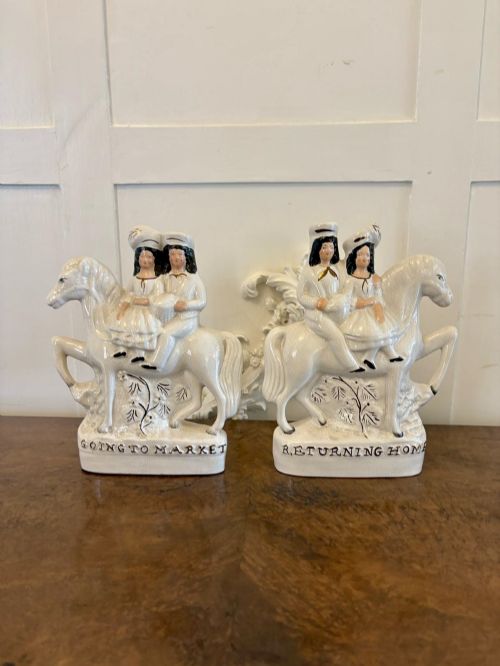
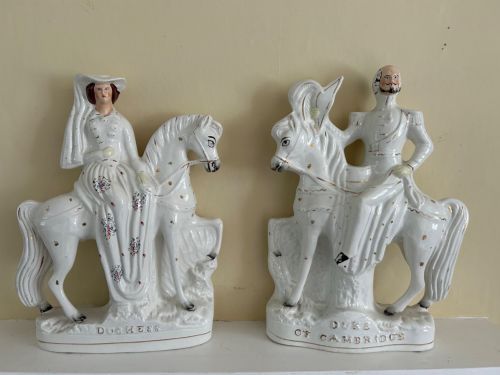
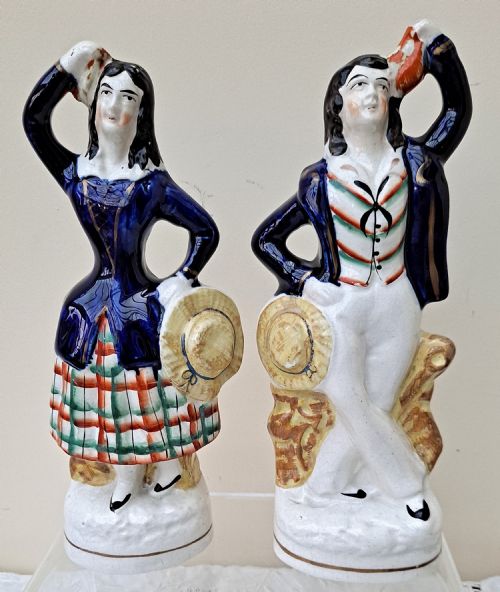
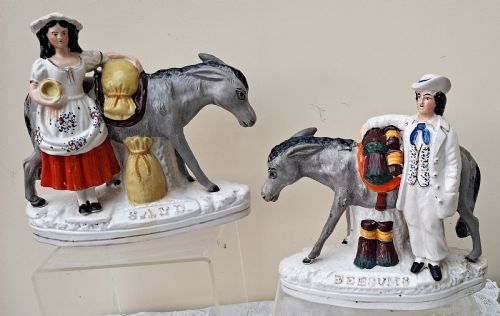
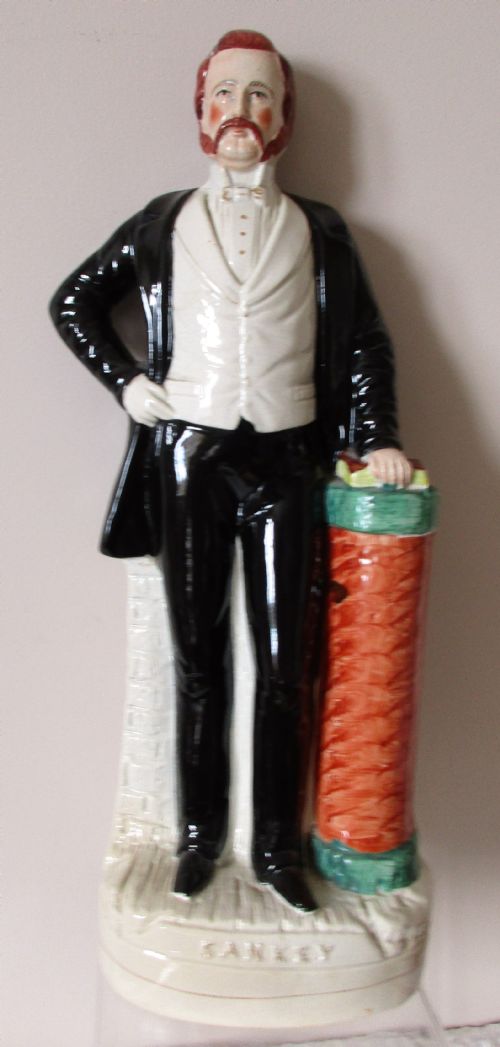
These Victorian flatback figurines bring the theatricality of the nineteenth-century parlour straight to the mantelpiece through colourful, press-moulded earthenware portraits and animals.
Victorian Flatback Figurines
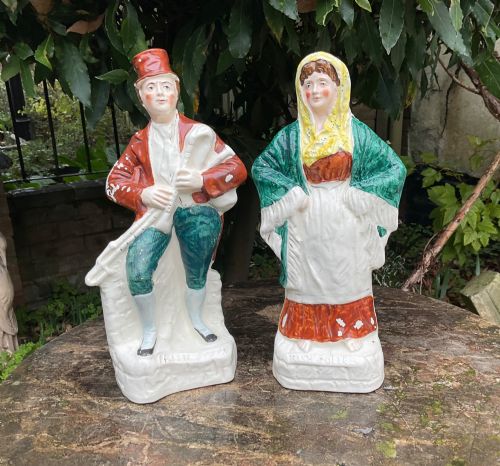
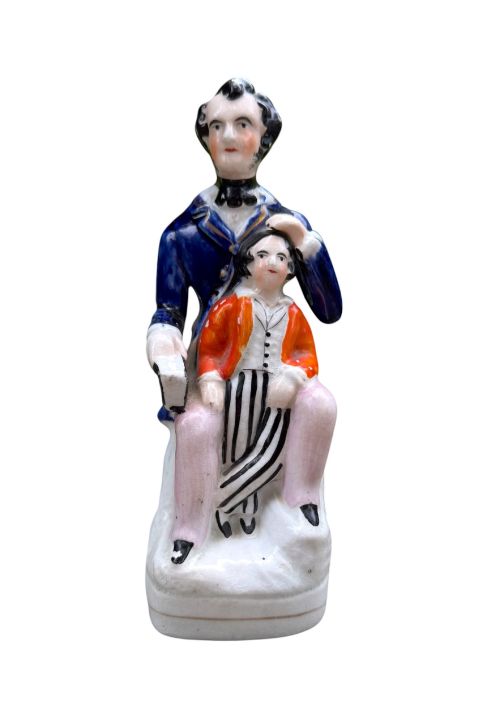
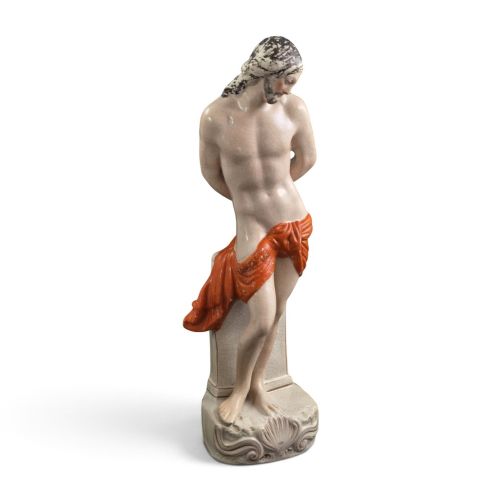
Victorian flatback figurines comprise a diverse group of earthenware ornaments designed to sit flush against a wall, meaning they are unglazed and largely hollow at the rear. Buyers seek these pieces for their charming portrayal of contemporary public figures, royalty, literary characters, and rustic subjects.
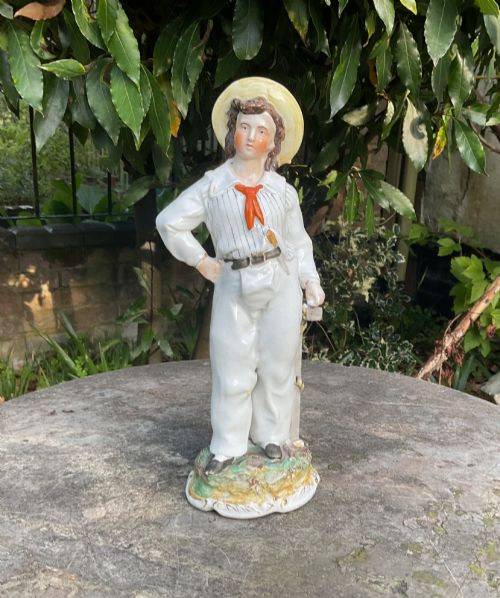
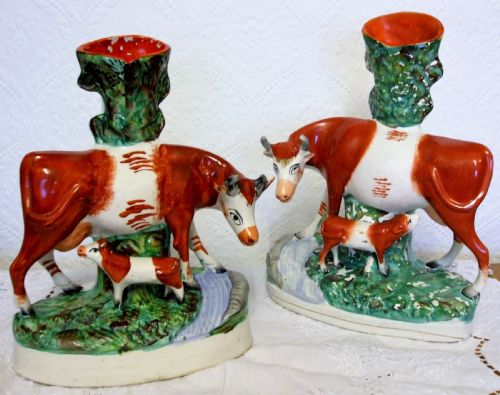
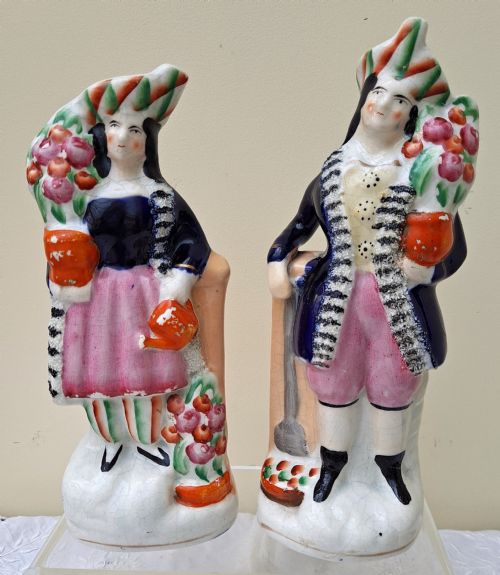
The versions most commonly met on this page include portrait figures of notable personalities such as Queen Victoria and Lord Shaftesbury, alongside theatrical pairs, gardeners, and animals like deer or zebras. These objects served as accessible decorative statements for middle-class homes during the nineteenth century, capturing the popular culture of the era.
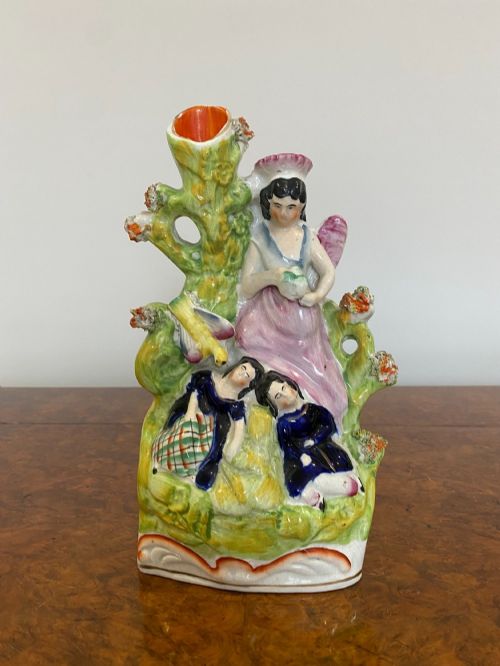
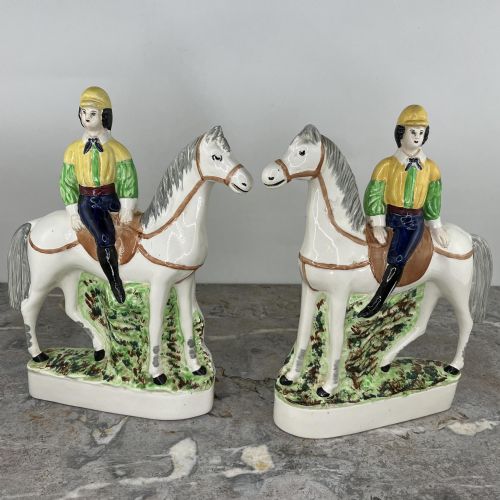
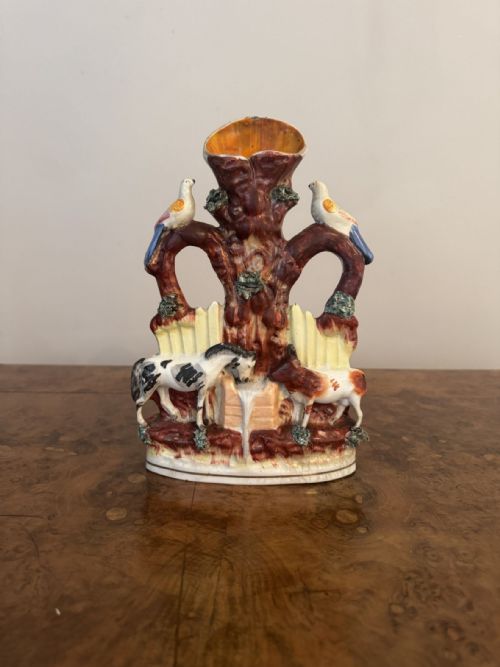
Makers produced these works primarily in the Staffordshire potteries, employing styles that range from standard portrait groups to folk art interpretations and functional spill vases. The forms vary from single standing characters to elaborate equestrian groups and architectural castles.
How They Were Made
Potters utilised earthenware clay pressed into two-part moulds to shape the figures, smoothing the unglazed flat backs before firing the pieces in kilns. This efficient production method allowed workshops to rapidly supply popular demand for current events and celebrity portraits.
Workers applied lead glaze and enamel paint by hand over the fired body, often adding touches of gilt for ornamentation on details like clothing and bases. This straightforward painting technique accounts for the lively, individual character found across the pieces.
Victorian Flatback Figurines Retail Price Guide 2026
Typical asking prices for victorian flatback figurines among the pieces listed under this phrase on Sellingantiques today, from the lower quarter to the upper quarter. They describe what is for sale here now, not the wider market.
Listings feature earthenware materials alongside lead glaze and enamel paint, spanning periods from eighteen-fifty to nineteen-hundred.
What Varies in Quality
The application of enamel paint and glaze also distinguishes finer works, where vibrant pigments and precise brushwork enhance the visual impact without excessive bleeding. Superior pieces retain rich gilding and clean firing surfaces, reflecting greater care at the kiln stage.
Staffordshire Pottery
The Victorian Flatback Figurines Glossary
- Flatback
- A pottery figure designed with an unglazed, flat reverse side so that it could stand flush against a wall on a mantelpiece or shelf. This method saved on materials and production time.
- Spill vase
- A hollow ceramic vessel featuring an attached tube designed to hold wooden spills for lighting fires or pipes. These often take the form of tree trunks beside animal or human figures.
- Earthenware
- A porous, opaque ceramic body fired at lower temperatures than stoneware or porcelain. It formed the standard base material for the vast majority of nineteenth-century Staffordshire ornaments.
- Lead glaze
- A glossy coating containing lead oxide applied to pottery before firing to waterproof the vessel and brighten the underlying colours. It yields a smooth, reflective surface characteristic of the period.
Victorian Flatback Figurines: Frequently Asked Questions
What are flatback figurines?
These ceramic ornaments are hollow earthenware figures featuring unglazed flat backs intended to be placed against a wall. They were produced in large quantities across the nineteenth century to decorate domestic interiors.
Subjects ranged from royalty and military heroes to literary characters and exotic animals. They capture the popular tastes and historical events of the Victorian era.
How were spill vases used?
Spill vases incorporated a vertical cylindrical tube alongside the main figure to hold thin wooden splints. These splints were transferred from the fireplace to light candles, lamps, or tobacco.
They combined utility with ornament, often depicting animals like deer or domestic scenes. This dual purpose made them popular additions to the Victorian parlour.
How do I date these figures?
Dating relies heavily on the historical subjects depicted, such as Crimean War generals or royal weddings, which provide a reliable terminus post quem. Costume details and prevailing aesthetic styles also offer clues to the decade of manufacture.
The listings demonstrate production spanning from the mid-nineteenth century through to the end of the Victorian period. Examining the quality of the earthenware body and the style of the hand-painted enamel helps narrow the timeframe further.
Where were these figures made?
The vast majority originate from the cluster of towns known as the Staffordshire potteries in the English Midlands. Numerous local workshops and factories specialised in press-moulded earthenware.
These kilns supplied domestic and international markets with accessible portraiture and decorative ornaments. The concentration of skilled modellers and painters in the region drove this prolific output.
How do I care for my figurine?
Keep these ceramic pieces away from direct sunlight to protect the stability of the enamel colours and any gilt highlights. Dust them gently with a soft, dry brush.
Avoid using water or chemical cleaners on the unglazed backs and painted surfaces, as the historic earthenware can absorb moisture. Gentle handling preserves both the glaze and the underlying clay body.