
Victorian Porcelain Ornament
A victorian porcelain ornament brings nineteenth-century modelling and glaze work directly into the modern room.
What They Are
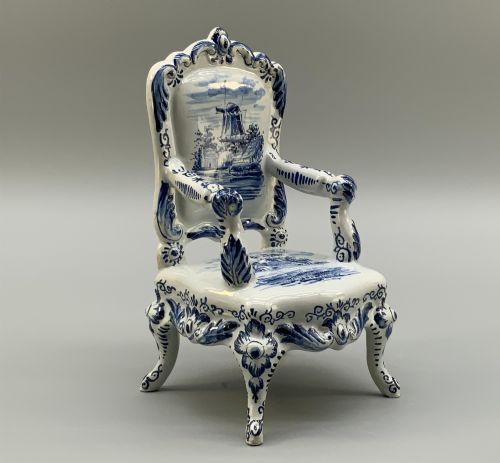
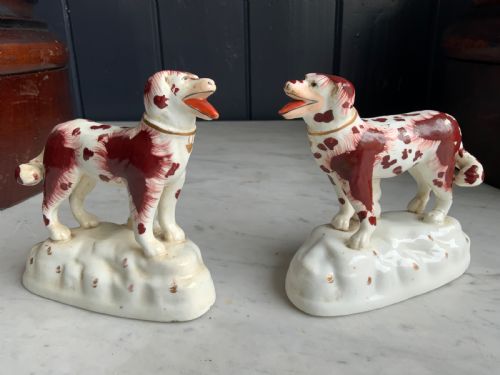
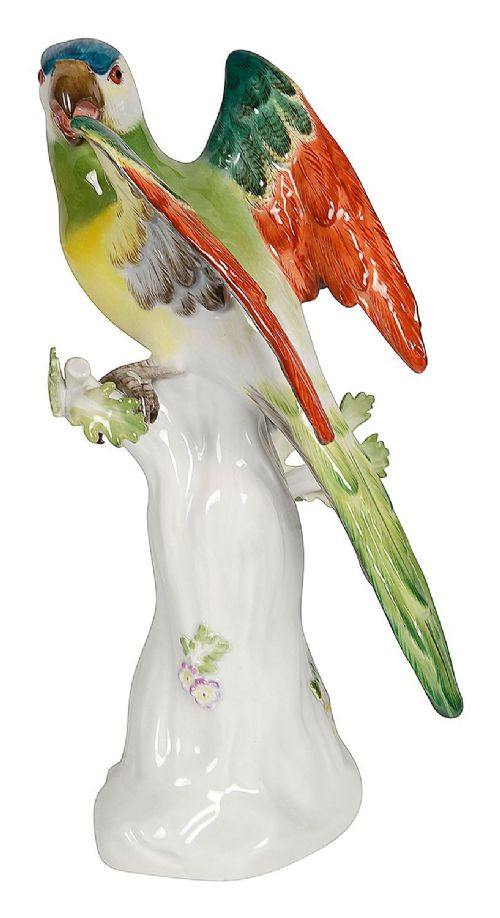
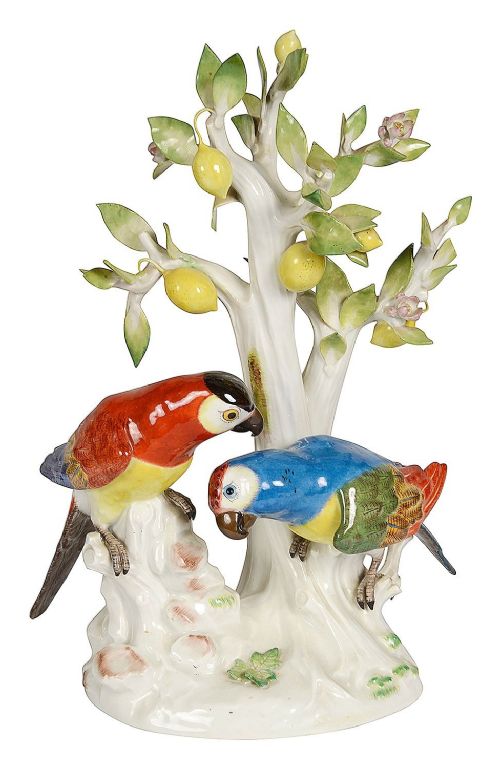
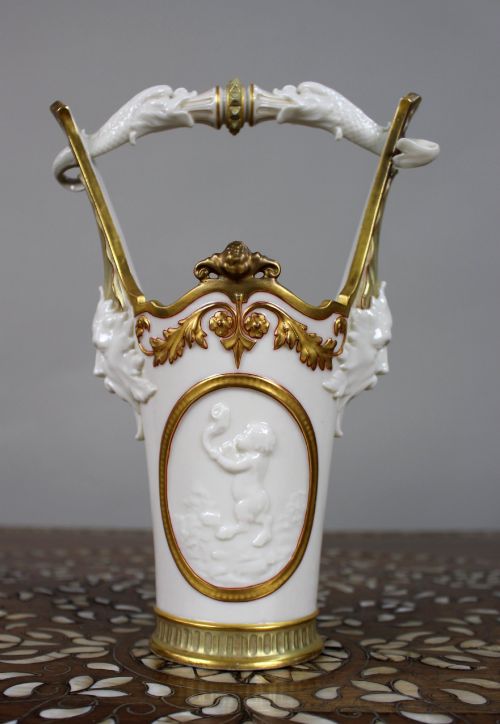
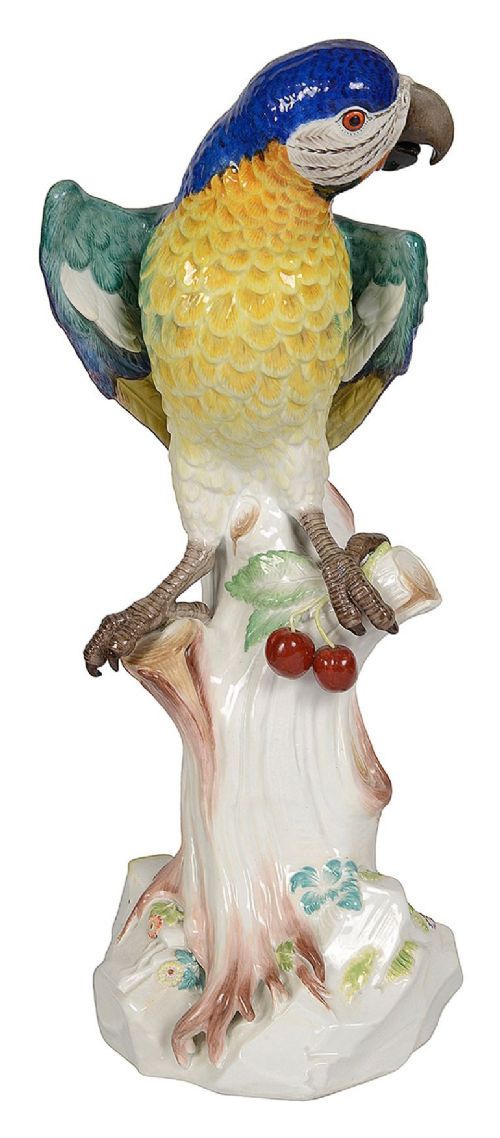
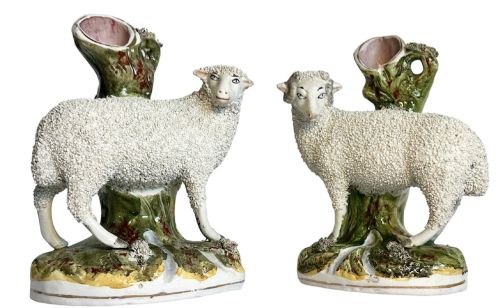
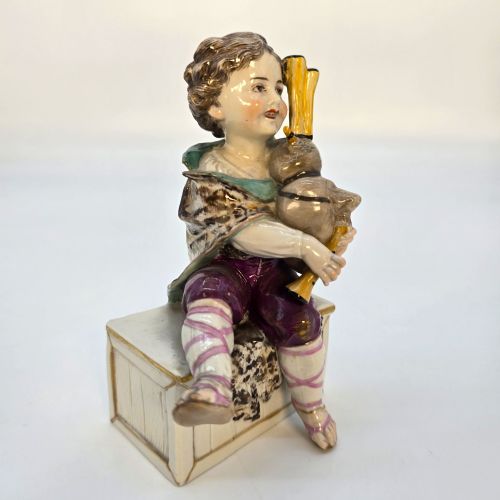
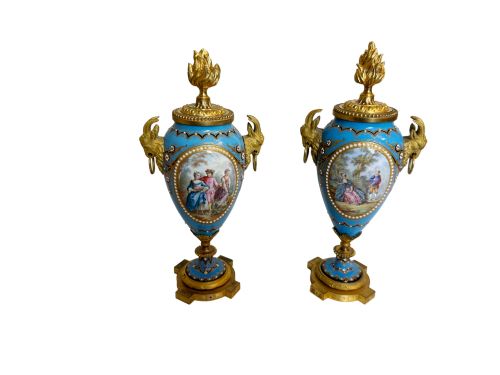
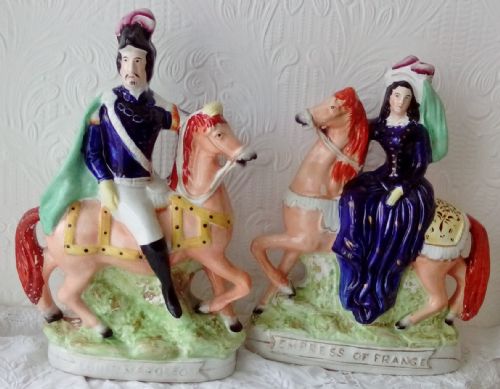
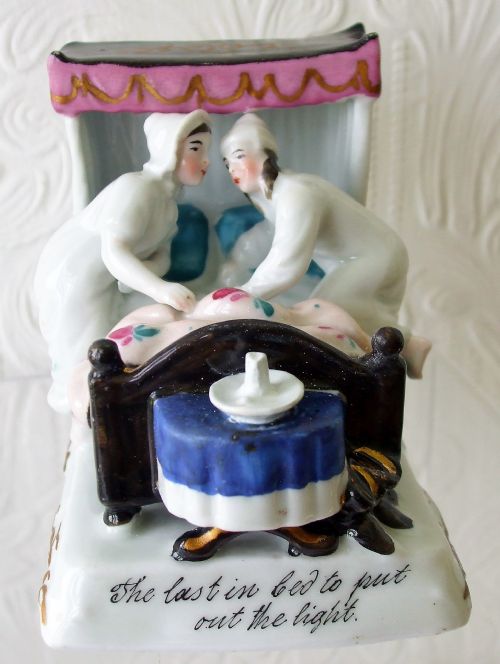
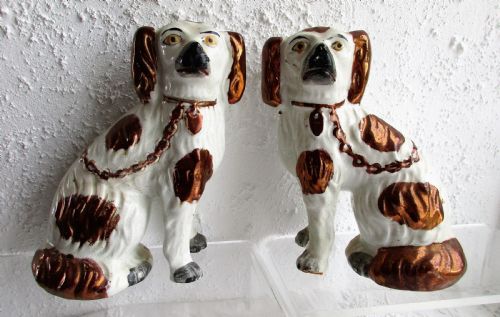
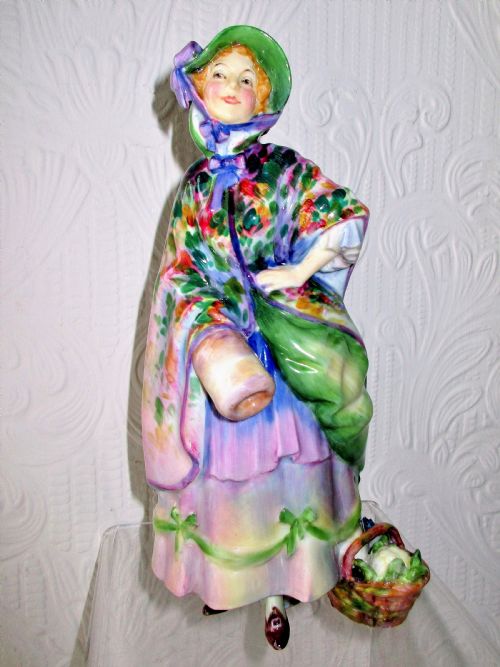
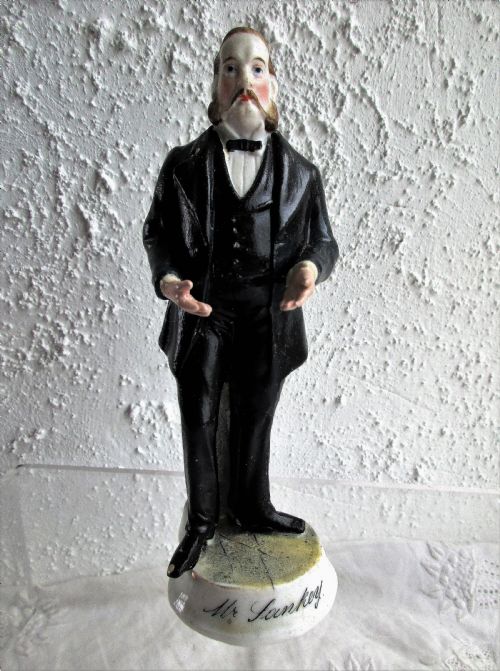
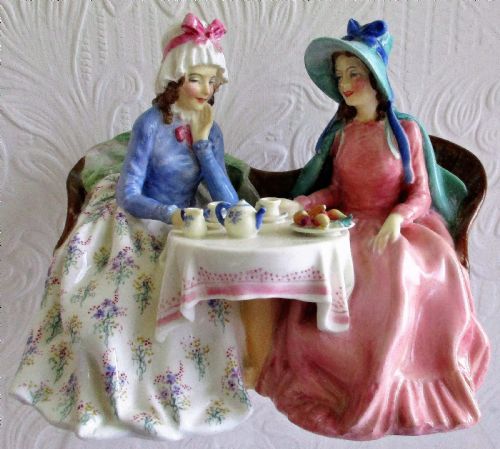
A victorian porcelain ornament spans figurative subjects and functional posy holders created during the nineteenth century and the Edwardian era. These pieces range from classical figures and literary characters to ethnographic studies produced by major European factories.
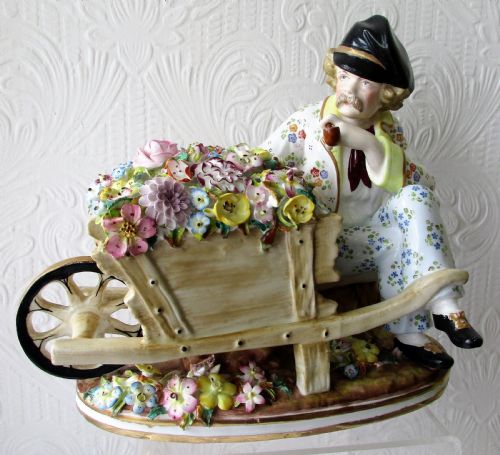
The objects seen here include standing figures, seated maidens, and specialised vessels designed to hold flowers. Most examples originate from British and continental European potteries working in revivalist or Orientalist styles.
How They Were Made
Many works incorporate burnished gold leaf and gilt decoration to accentuate borders, clothing details, and sculptural bases. The combination of underglaze painting and applied enamel gives these figures their characteristic nineteenth-century sheen.
Retail Price Guide 2026
Typical UK retail prices for victorian porcelain ornament, calculated from the Sellingantiques database of over a million retail prices indexed since 2003. This retail price guide relies exclusively on Sellingantiques data; no external sources or auction records are used, so the figures do not describe the wider market.
Materials recorded on this page include enamel glaze, gold leaf, and gilt applied to a porcelain base.
What Varies in Quality
The distinction between ordinary and exceptional work lies in the precision of the modelling and the finesse of the hand-painted enamel. Finer pieces display crisp facial expressions, delicate fingers, and meticulously rendered costume details without muddying the glaze.
Application of gold leaf and the subtlety of the enamel glaze further separate standard production items from ambitious sculptural commissions. Superior examples maintain balance and fine definition across every moulded leaf, fold, and feature.
The Victorian Porcelain Ornament Glossary
- Porcelain
- A hard, white ceramic material fired at high temperatures, forming the vitreous base for nineteenth-century figures. It provides a smooth surface ideal for detailed enamel painting.
- Gilt
- A thin layer of gold or gold leaf applied to the porcelain surface for decorative enrichment. It frequently highlights borders, garments, and structural bases.
- Posy Holder
- A decorative ceramic vessel designed to display small bunches of fresh flowers alongside sculptural elements. These combination pieces serve both aesthetic and functional purposes.
Frequently Asked Questions
What is a posy holder?
A posy holder is a functional ceramic vessel integrated into a sculptural figurine, designed to display small bunches of fresh flowers.
These pieces combine decorative modelling with a practical receptacle for floral arrangements.
How are these figures dated?
Dating relies on factory marks, stylistic indicators such as French Rococo Revival or Victorian Orientalism, and recorded production periods.
Reference to specific factory histories helps place individual works within the nineteenth and early twentieth centuries.
Where were these pieces made?
Production centres include British manufactories like Royal Worcester alongside continental European factories such as Volkstedt Rudolstadt and Samson Paris.
Each region brought distinct traditions in moulding and enamel decoration to their figures.
How do I display them?
These ornaments suit stable surfaces away from high-traffic edges where accidental knocks might occur.
Proper placement protects delicate extensions like posy holders and hand-painted gilt details from wear.