



Art Deco Ceramic Ornament
An art deco ceramic ornament brings the distinct figures, animals, and bold characters of the interwar decades directly onto a mantelpiece or shelf.
Art Deco Ceramic Ornament
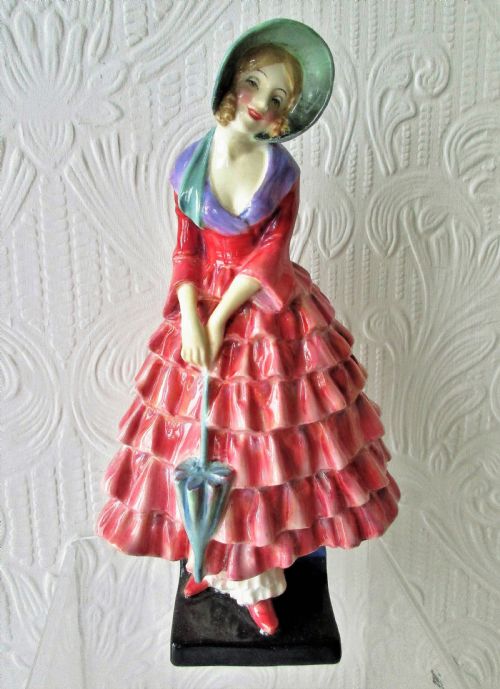
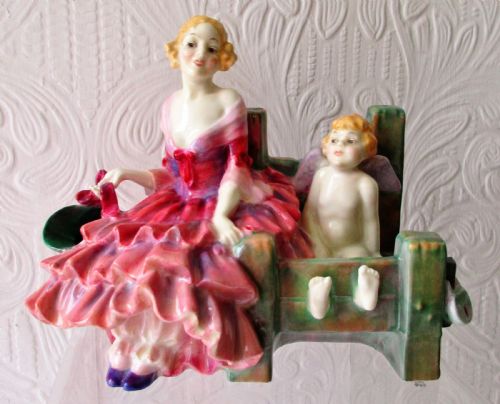
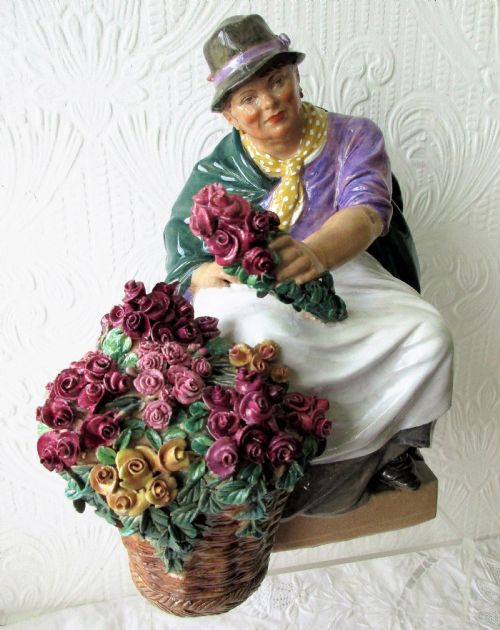
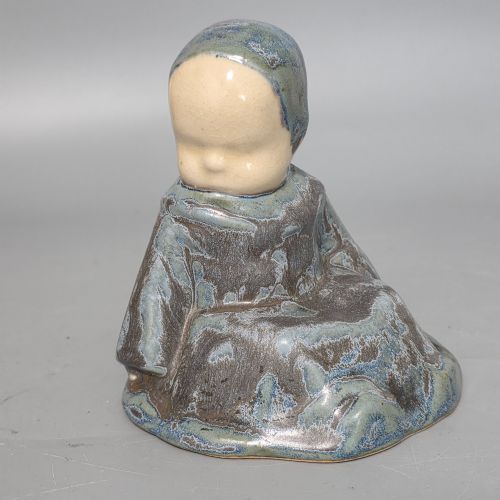
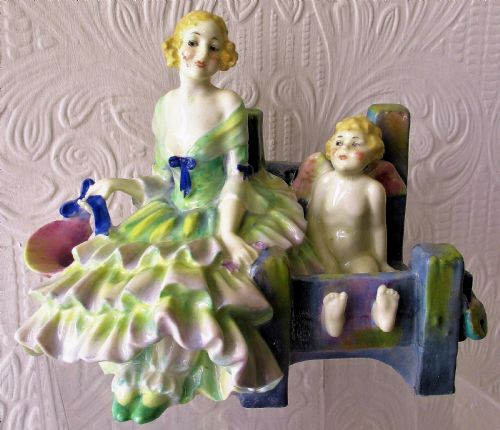
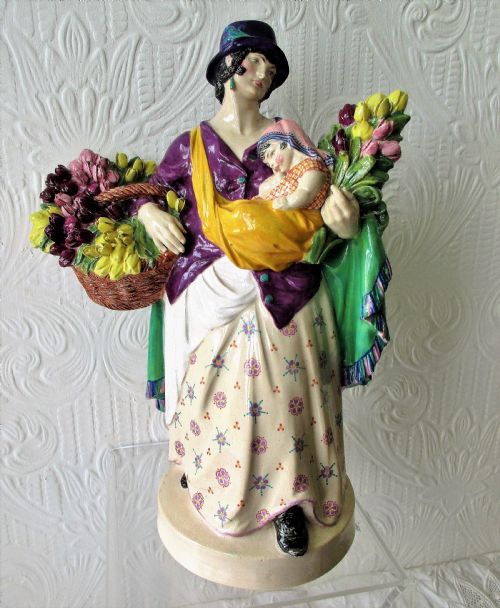
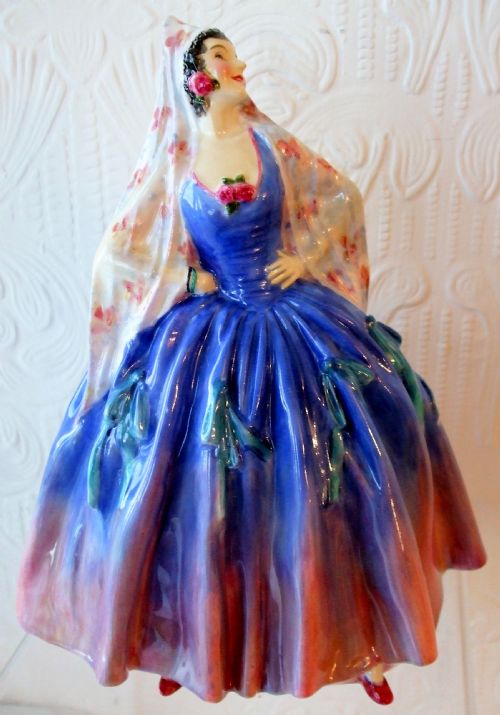
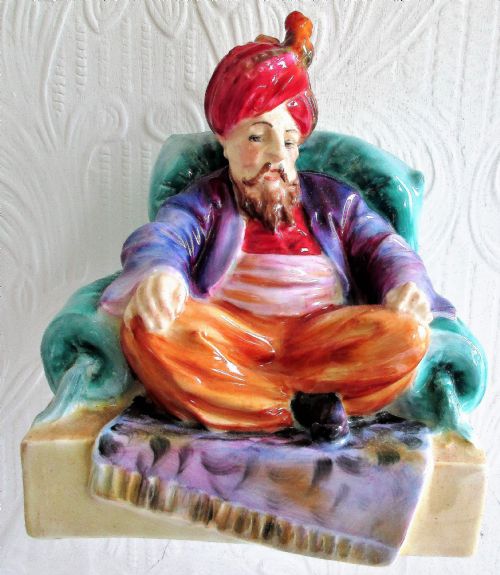
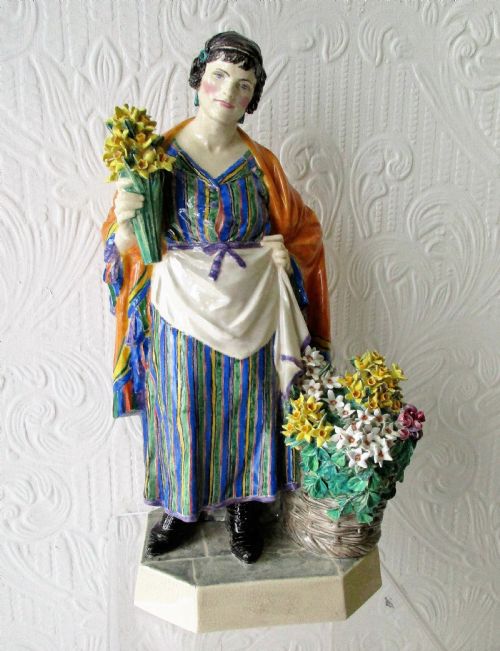
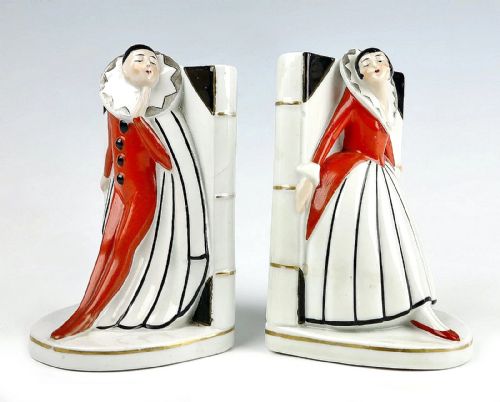
When you search for an art deco ceramic ornament, you find figurines, sculptures, bookends, and functional items like powder puff stands and hat pin holders produced across the 1920s, 1930s, and 1940s. The selection relies heavily on English porcelain figures from factories such as Royal Doulton, alongside continental animal models, dancers, and studio pottery street characters.
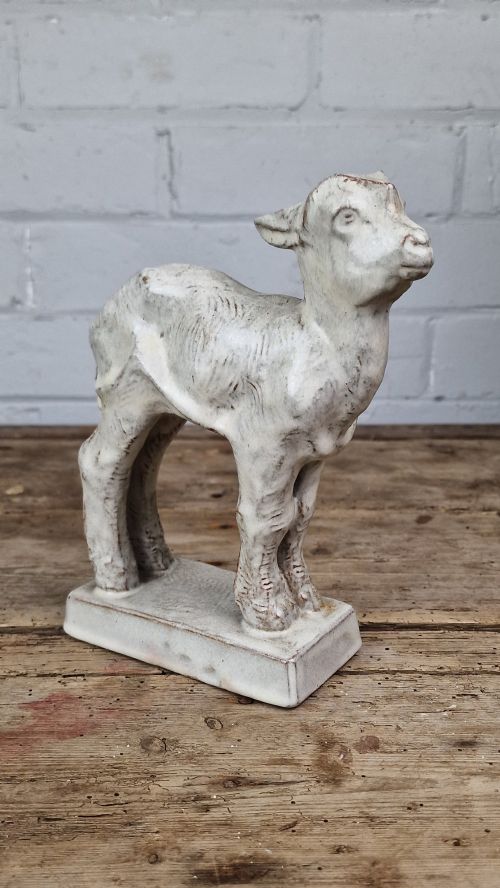
Most examples date firmly to the 1930s, capturing the stylised lines, geometric clothing folds, and flat planes characteristic of the period. Forms range from human figures like flappers and dancers to animals including dogs, cats, deer, and goats.
Materials and techniques
Listings feature porcelain, earthenware, bone china, terracotta, and stoneware combined with various glaze treatments.
Factors of quality
Quality rests on the crispness of the modelling and the precision of the glaze application, distinguishing mass-produced wares from artist-designed factory pieces and studio pottery. Sculptural depth in the clothing folds, hands, and facial expressions separates stronger examples from softer, less detailed casts.
The sophistication of the palette and the restraint of the hand-painted decoration also mark out superior work. Pieces bearing named studio signatures or documented factory marks demonstrate a higher tier of period craftsmanship.
Royal Doulton·Charles Vyse·Berthe Savigny·Clarice Cliff·Rosenthal·Theo Voss·Shelley·Le Manceau·Royal Dux·Karl Tutter·B. Rezl
The Art Deco Ceramic Ornament Glossary
- Figurine
- A small carved or moulded statuette representing a human figure. These models often depict dancers, flappers, or named character studies from the interwar period.
- Slip casting
- A ceramic manufacturing technique using liquid clay poured into plaster moulds. This process allowed factories to produce intricate animal and human forms efficiently.
- Studio pottery
- Ware created by individual artists working independently from large industrial manufacturers. Charles Vyse pieces represent this studio approach.
- Glaze
- A vitreous coating fused to ceramic wares by firing. It provides either a brilliant shine or a smooth matte finish across the surface of the ornament.
Art Deco Ceramic Ornament: Frequently Asked Questions
What periods do these ornaments come from?
The listings span the 1920s, 1930s, and 1940s, with the vast majority originating from the 1930s art deco era.
Production during these decades encompassed both large-scale European porcelain houses and smaller English studio potters working independently.
How were these ceramic items used originally?
Many served purely as decorative figurines, sculptures, and bookends designed to sit on shelves, desks, or mantelpieces.
Others combined display with function, acting as powder puff stands, hat pin holders, or small receptacles for domestic dressing tables.
Which animals appear most frequently?
Dogs, cats, deer, goats, and pheasants represent the primary animal subjects modelled by these potteries and independent sculptors.
These creatures were rendered in stylised poses that aligned with the decorative arts of the period.
Are human figures common in this group?
Human representations form a large part of the selection, including dancers, flappers, bathing belles, and street characters.
Named figures like Pierrot and Pierrette, alongside individual character titles, appear frequently across the maker output.