




Art Deco Pottery Figurine
An art deco pottery figurine brings the spirited design of the interwar years straight to your mantelpiece.
Art Deco Pottery Figurine
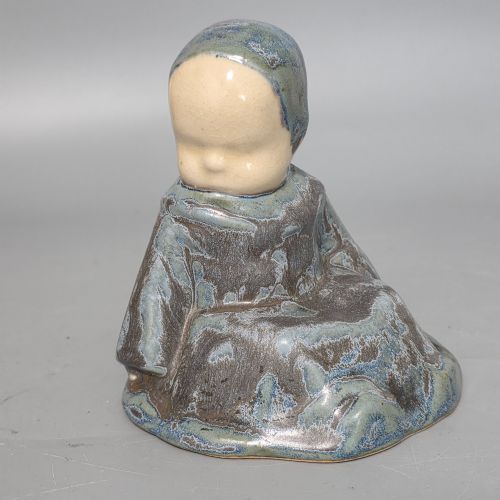
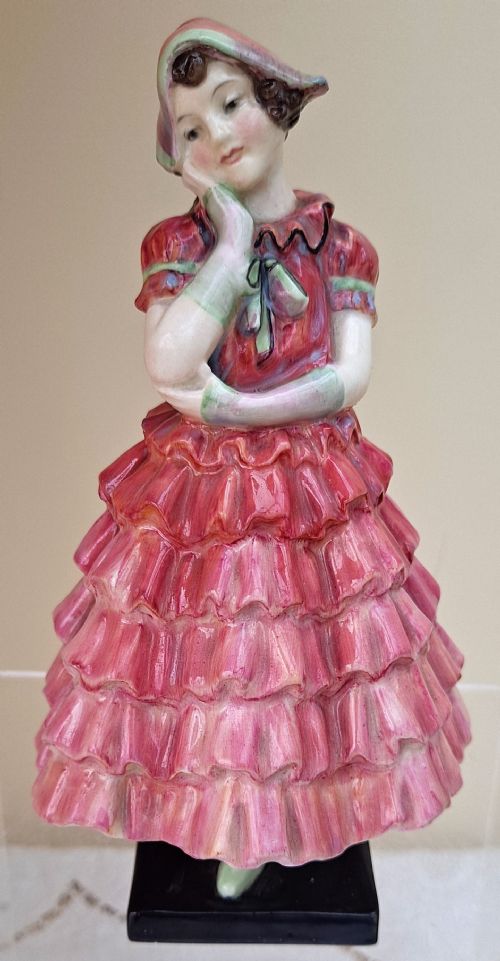
An art deco pottery figurine captures the characteristic forms of the 1920s and 1930s, spanning modelled women, animals, and figural lamps. You will frequently encounter glazed ceramic and porcelain examples created in English studios and French workshops.
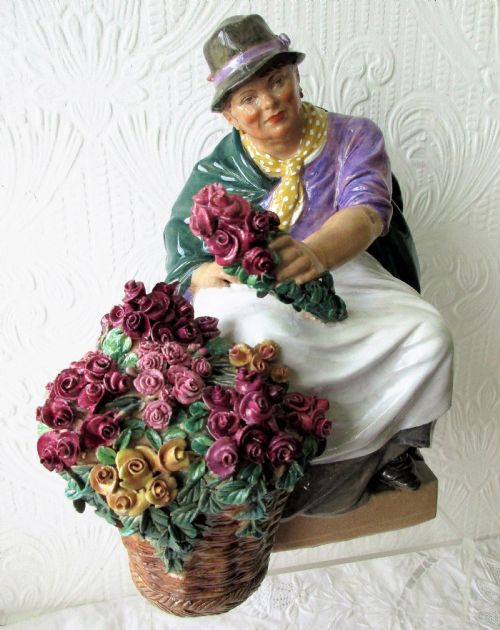
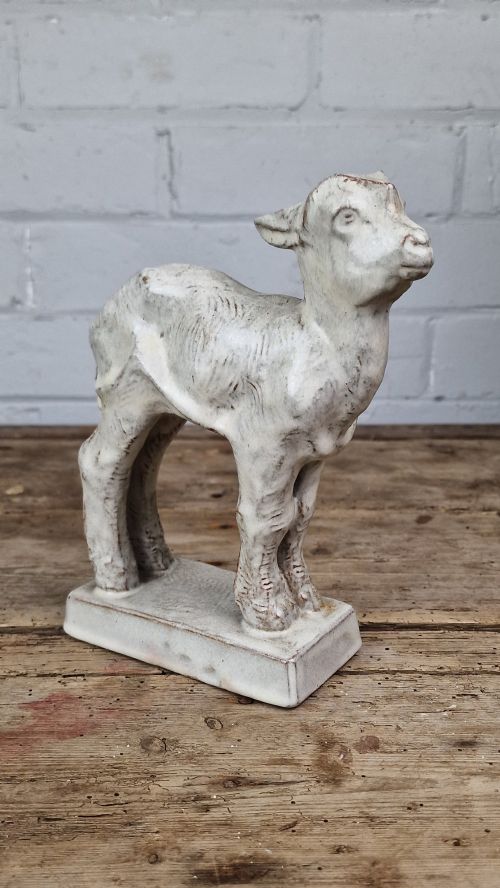
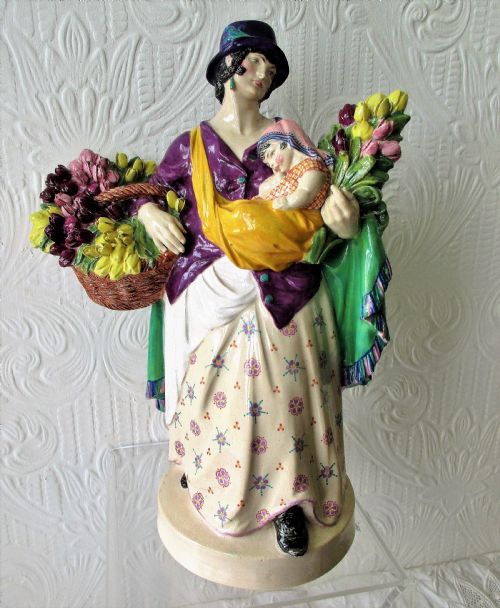
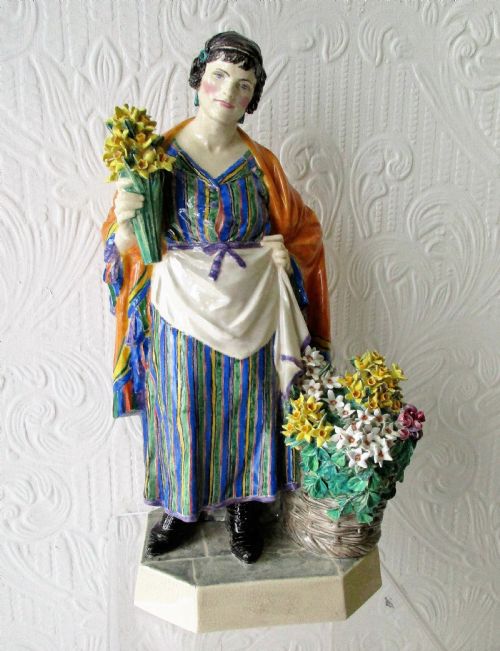
The selection ranges from studio pottery figures like the street flower sellers of Charles Vyse to whimsical animal models in terracotta, stoneware, and earthenware. Functional items such as powder boxes, bonbonnieres, and veilleuses lamps also appear alongside traditional standalone sculptures.
Originating predominantly from British and continental European makers, these pieces reflect both mass production by established potteries and individual studio output. The common thread is the distinct decorative style of the period, executed in clay and ceramic mediums.
Assessing quality and execution
Artistic authorship significantly influences the standing of a piece, with named studio artists and established potteries achieving greater recognition than anonymous works. The complexity of the subject, whether a multi-part figural lamp or a hand-modelled animal, also dictates the level of craftsmanship involved.
One cheerful feline figure stares back with glass eyes, keeping watch over the mantelpiece since the nineteen-twenties.
Charles Vyse·HB Quimper·Clarice Cliff·Shelley·Le Manceau·Royal Doulton·Limoges
The Art Deco Pottery Figurine Glossary
- Earthenware
- A porous ceramic body fired at lower temperatures, requiring a glaze to become waterproof. It forms the base for many mass-produced figures and decorative boxes from the period.
- Stoneware
- A dense, impermeable ceramic fired at higher temperatures than earthenware. It offers durability and a heavier weight, often seen in continental European animal figures.
- Veilleuses
- A French term for a night light or bedside ceramic lamp combining a figural base with a matching cover. They frequently utilise electrical fittings or internal candle holders.
- Bonbonniere
- A small decorative container or jar designed to hold sweets or confectionery. These often double as figural ornaments with a removable lid.
- Glaze
- A glassy coating fused to ceramic pottery through firing to colour, decorate, and seal the body. Variations in glaze thickness create highlights and shadow across the figurine's surface.
Art Deco Pottery Figurine: Frequently Asked Questions
What is an art deco pottery figurine?
An art deco pottery figurine is a sculptural ceramic object made during the 1920s and 1930s. These pieces depict human figures, animals, or functional items styled according to the modernist aesthetics of the interwar period.
You will find them executed in various materials including earthenware, porcelain, and terracotta. They range from hand-modelled studio pieces to factory-produced ornaments.
How do I identify the maker?
Makers are often identified by backstamps, painted signatures, or impressed marks on the underside of the ceramic base. Recognisable names and potteries from the period include Royal Doulton, Charles Vyse, and Limoges.
Studying the specific style of modelling and the type of glaze can also point toward a particular studio or European manufacturer when marks are absent.
Were these figures used for lighting?
Certain figural ceramics from the period served a dual purpose as lighting or functional wares. French veilleuses combined a decorative ceramic sculpture with a lamp fitting to provide soft illumination.
Other ceramic forms functioned as powder boxes or bonbonniere jars, holding small personal items while acting as decorative ornaments on a dressing table.
How should I clean my figurine?
Ceramic and porcelain figures require gentle dusting with a soft, dry brush to prevent the accumulation of dirt in recessed details. Avoid using water or chemical cleaners, particularly on pieces with delicate enamel work, gilding, or cold-painted surfaces.
Handling the piece infrequently and placing it away from direct sunlight will help preserve the original glaze and surface decoration.