






White Ceramic Animal Figure
White ceramic animal figure subjects span centuries of European kiln work, bringing domestic pets, farmyard beasts and exotic creatures to mantelpieces.
White Ceramic Animal Figure
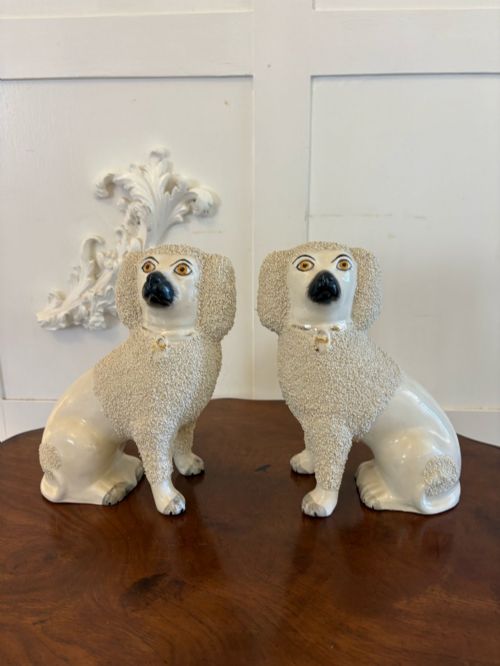
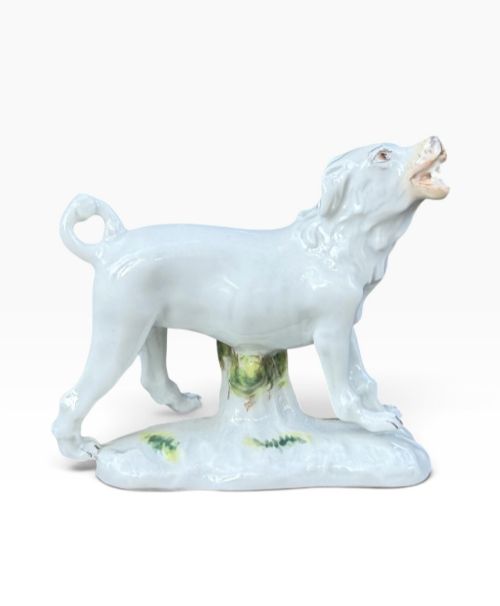
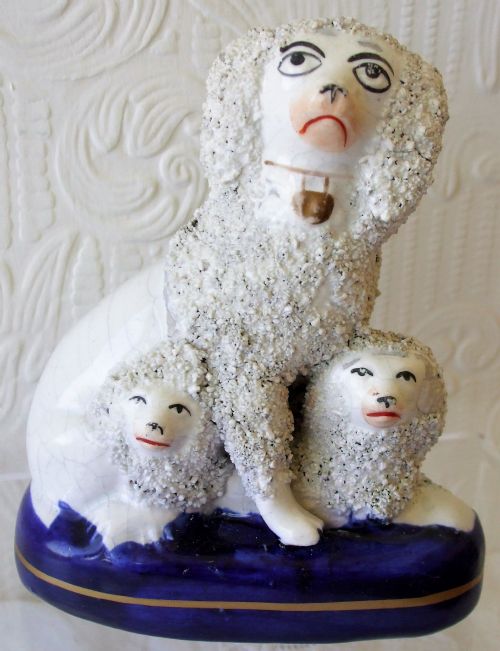
A white ceramic animal figure represents domestic dogs, farm animals, wild creatures and exotic beasts shaped by European potteries and kilns. Buyers seeking a white ceramic animal figure encounter Staffordshire poodles and spaniels, Derby stags and does, Meissen monkeys and elephants, and French folk art terracottas.
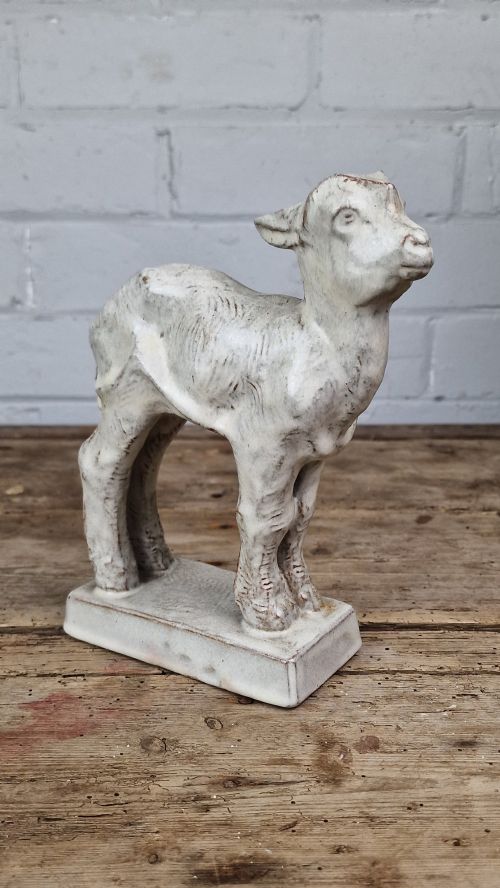
The selection ranges from Georgian pearlware sheep and Victorian Staffordshire poodles to Art Deco terracotta goats and Continental porcelain oil lamps. Most pieces originate from the eighteenth and nineteenth centuries, spanning Georgian, Victorian and later periods.
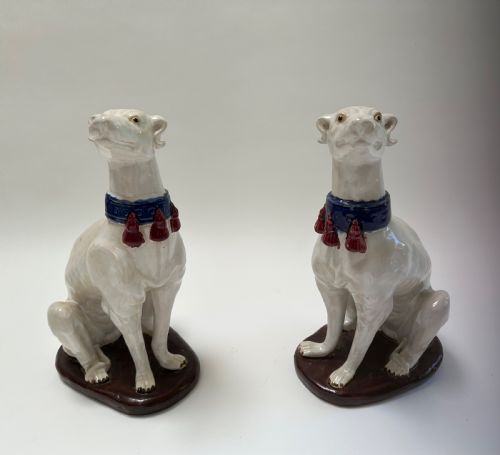
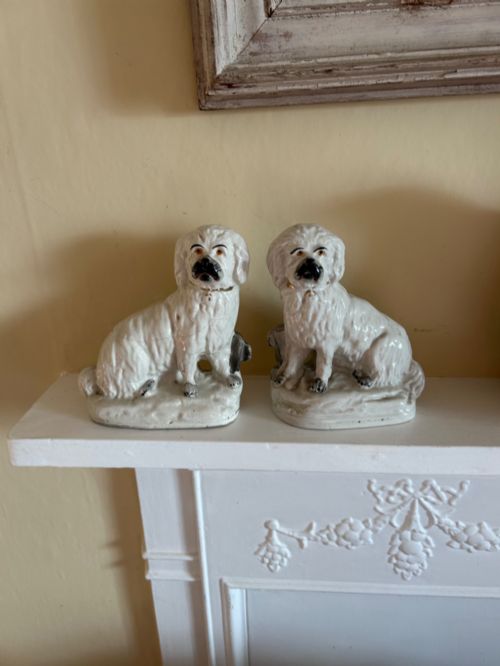
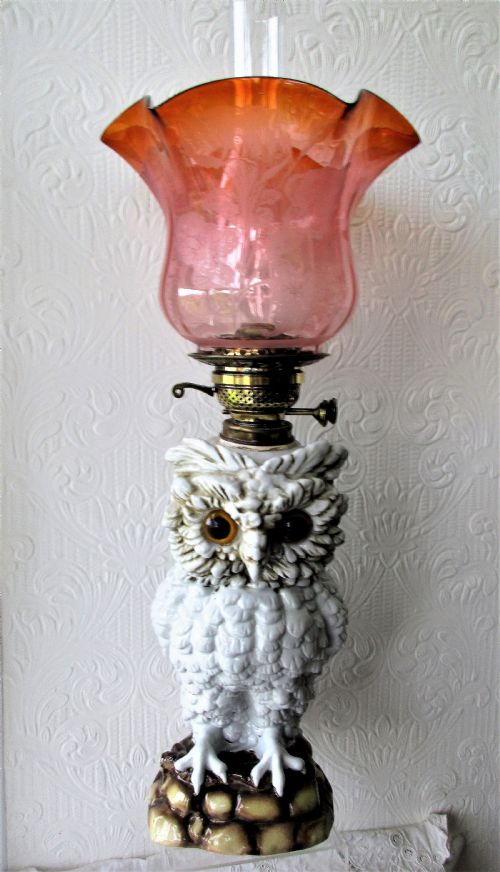
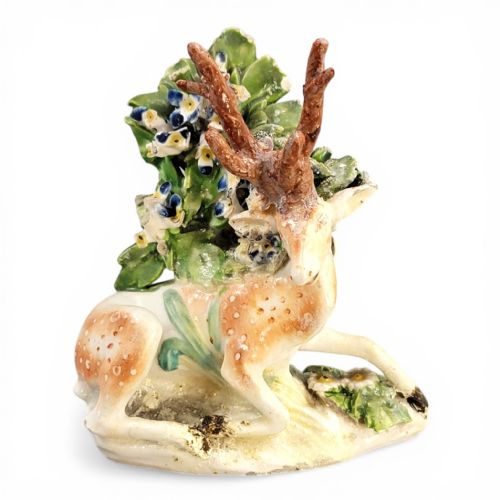
Forms include single models, pairs of dogs or deer, inkwells, figures with bocage backgrounds, and functional oil lamps shaped as owls and spitz dogs. These decorative objects draw collectors interested in historical ceramics and early animal sculpture.
Materials and production methods
Potters shaped these animals using earthenware, pearlware, terracotta and porcelain, applying lead glazes, enamel colours and plain white finishes before kiln firing. Factories such as Derby, Meissen and Staffordshire utilised moulds and hand-modelling to shape dogs, deer, pigs and wild cats.
Plain white porcelain and blanc de chine glazes highlight the sculptural form of gundogs and elephants without reliance on polychrome decoration. Terracotta models from France and Germany utilise natural clay bodies finished with glazes or left unpainted as folk art roof tiles and decorative models.
Materials represented in the inventory include porcelain, earthenware, terracotta, pearlware, glass, and enamel.
Distinctions in quality
The sophistication of the design, such as early Derby figures with intricate bocage foliage or large-scale Meissen compositions, indicates skilled factory production. Condition and originality of the glaze or enamel surfaces remain central to the integrity of each piece.
Meissen·Sitzendorf·Derby·Minton·Walton·Wooley
The White Ceramic Animal Figure Glossary
- Pearlware
- A refined earthenware developed in the late eighteenth century featuring a bluish-white glaze that pooled in recesses. It was widely used for Staffordshire figures and animals.
- Bocage
- An intricate background of applied clay leaves and flowers attached behind figures. It appears frequently on eighteenth-century Derby porcelain groups.
- Blanc de Chine
- A French term for white Chinese porcelain, later applied by western collectors to European white-glazed figures like early Minton gundogs.
- Lead glaze
- A glossy coating containing lead oxide applied to earthenware and pottery before firing. It produced a smooth, protective finish on Staffordshire animals.
- Staffordshire pottery
- Earthenware figures and animals produced by numerous potteries in the English Midlands during the nineteenth century. These include poodles, sheep and zebras.
White Ceramic Animal Figure: Frequently Asked Questions
How do I date an old ceramic animal?
Dating relies on body material, glaze characteristics, factory marks and stylistic traits associated with periods like the Georgian or Victorian eras. Examining the base and the manufacturing technique helps establish the production era.
Early pieces often feature pearlware glazes or unglazed bases typical of eighteenth-century kilns, whereas later Victorian Staffordshire wares display heavier earthenware bodies and distinct enamel highlights.
What animals are most common?
Dogs such as poodles, spaniels and terriers appear most frequently, alongside sheep, cows, stags and deer. Exotic animals and birds are less common but include monkeys, elephants, leopards and owls.
Domestic pets and farm livestock reflect the rural and domestic interests of nineteenth-century households, while porcelain menagerie animals demonstrate the technical ambition of European factories.
Are these figures glazed all over?
Many figures feature all-over glazes, but earlier earthenware and pearlware pieces often possess partially unglazed bases where the item rested on kiln supports. Porcelain figures from factories like Derby and Meissen frequently show dry base rims characteristic of period firing methods.
Inspecting the underside reveals the bare clay or porcelain body, which assists in confirming the age and origin of the piece.
How were these decorative figures displayed?
Owners placed them on mantelpieces, an imitation of more expensive bronze and marble sculptures, or used them as decorative table ornaments. Some pieces served practical roles, such as inkwells on desks or oil lamps wired for domestic lighting.
Pairs of dogs or deer traditionally sat at either end of a fireplace or shelf, a custom established during the Georgian and Victorian periods.