


Art Deco Animal Figurine
An art deco animal figurine captures speed and form, bringing the clean lines of twentieth-century design into a room.
Art Deco Animal Figurine
An art deco animal figurine brings stylised wildlife into domestic spaces through sculptures, paperweights, and lamps. These pieces capture swift movement and geometric poise, reflecting the aesthetic developments of the early twentieth century.
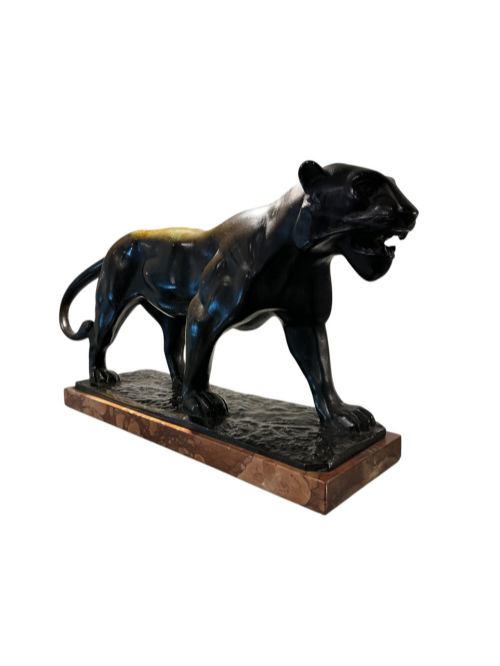
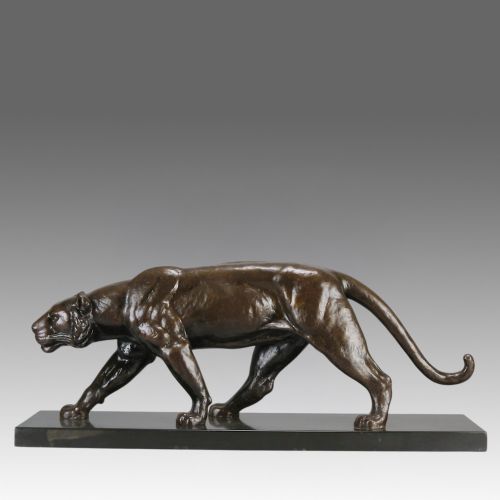
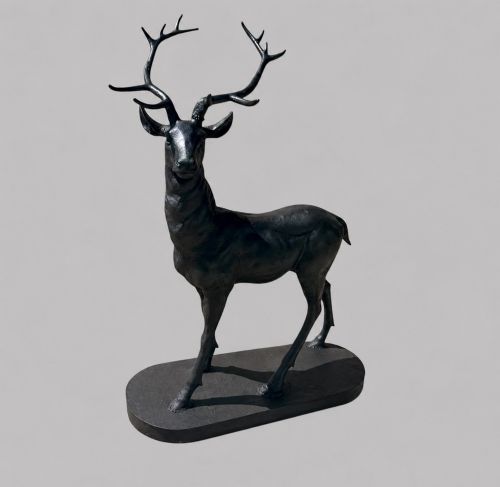
The versions most common here emerge from the interwar decades, taking form as panthers, stags, and hounds. Sculptures often combine cast metals with polished stone bases to anchor the composition.
Makers across France, Austria, and wider Europe shaped these subjects in bronze, spelter, and ceramic. The resulting works range from small desk ornaments to substantial table lamp bases.
Materials and construction
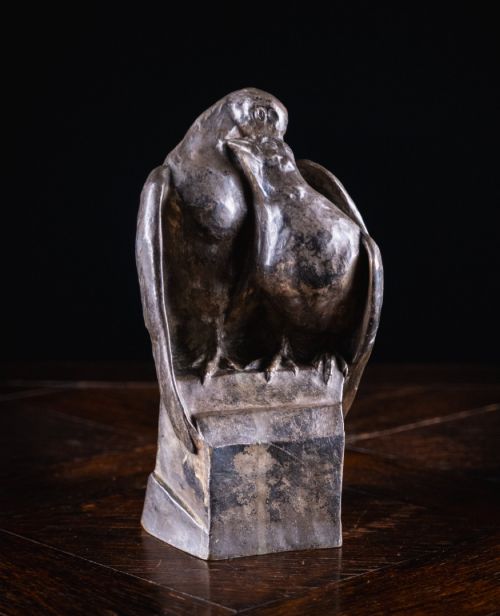
Foundry work relied on casting bronze or spelter into detailed moulds, followed by patination or silvering to alter the surface colour. Spelter served as a common economical alternative to bronze, whilst bronze permitted sharper chisel work and finer detail.
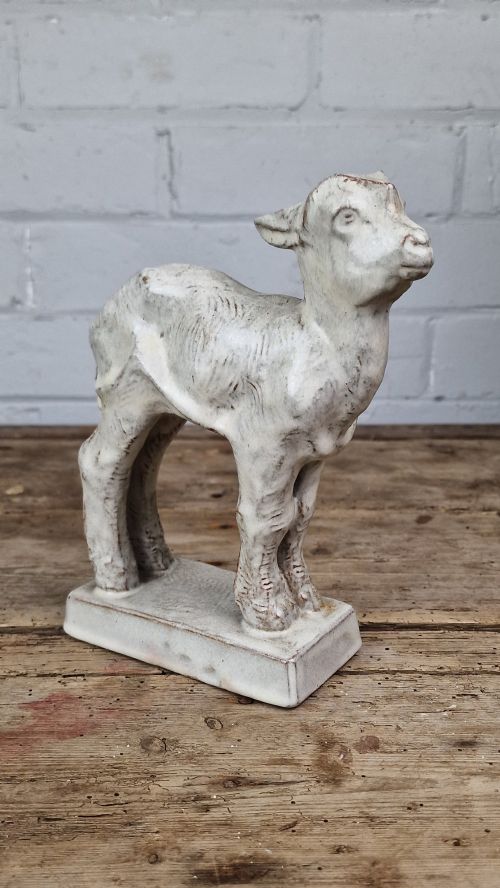
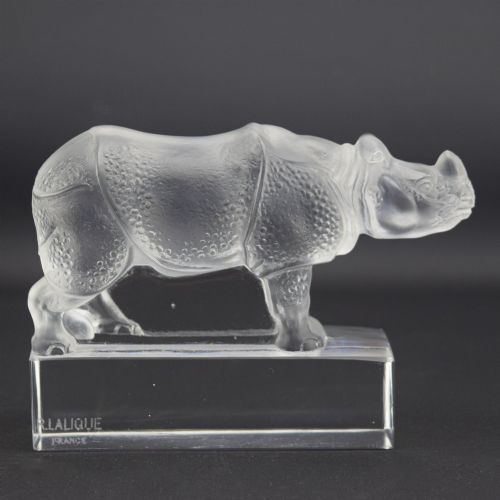
Casting often paired metal figures with heavy marble or onyx plinths to provide stability. Ceramic and terracotta models received painted glazes and gilded highlights, while glass pieces utilised pressed techniques or lampwork to capture translucent depth.
Listings feature periods spanning from the nineteenth century through the 1940s, alongside items produced later than 1960.
Distinguishing quality
Quality rests in the fidelity of the casting and the crispness of the chisel work on the metal surface. Superior pieces retain sharp musculature and clear facial expressions, whereas weaker examples lose detail in repetitive mass production.
The choice of base materials also divides the standard of output. Dense marble and multi-coloured onyx plinths elevate a sculpture, distinguishing it from simpler wooden or plain stone mounts.
Alexandre Ouline·Rene Lalique·Napoleone Martinuzzi·Laszlo Hoenig·Michel Decoux
The Art Deco Animal Figurine Glossary
- Spelter
- A zinc alloy commonly used as a cost-effective substitute for bronze in twentieth-century figures. It accepts patination well but remains softer than bronze.
- Patina
- The surface sheen or colour applied to metal through chemical treatment or natural ageing. It defines the tonal depth of bronze sculptures.
- Animalier
- A nineteenth and twentieth-century artistic tradition focusing on the realistic or stylised portrayal of animals. Practitioners rendered these subjects in bronze and other media.
- Lampwork
- A glassworking technique where a torch melts glass rods to shape intricate figures. It appears in delicate creations such as small glass snakes.
- Onyx
- A banded variety of chalcedony often used alongside marble for sculptural bases. Its variegated layers provide a decorative contrast to metal figures.
Art Deco Animal Figurine: Frequently Asked Questions
What materials make up an art deco animal figurine?
These figures appear in cast bronze, spelter, ceramic, glass, and carved wood. Many metal sculptures sit atop heavy bases made of marble or onyx.
Some examples incorporate additional elements like glass eyes or brass accents to heighten the decorative effect.
How were these figures used originally?
Owners placed them on mantelpieces, desks, and side tables as pure decoration or as functional items like paperweights and lamp bases.
Larger sculptures served as focal points in period interiors, reflecting an appreciation for modern design and wildlife.
How do I care for a bronze and marble piece?
Dust the metal surface gently with a dry, soft cloth to prevent particulate buildup. Avoid harsh chemical cleaners that might strip the original patina.
Keep stone bases clear of moisture and wax polish, wiping them occasionally with a soft cloth to preserve the polished finish.
How do bronze and spelter differ?
Bronze offers durability, weight, and the ability to hold fine chiseled details during casting. Spelter is a softer zinc alloy that served as an accessible alternative.
Spelter figures often show smoother, less defined musculature and generally require more careful handling due to the brittle nature of the alloy.
Are these figures signed by their makers?
Many sculptures bear signatures or foundry marks inscribed directly into the metal or the stone base. These signatures identify the artist or the producing studio.
Unsigned examples remain common, relying on style, material quality, and subject matter to indicate their period of origin.