


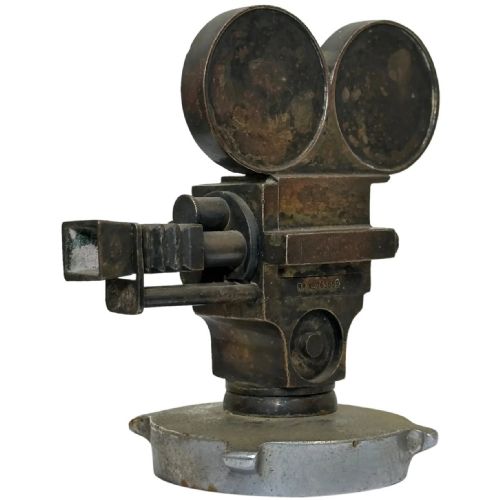

Art Deco Car Mascot
These art deco car mascot pieces bring the aerodynamic pace and animal grace of the inter-war period straight to your desk or shelf.

What art deco car mascot pieces are
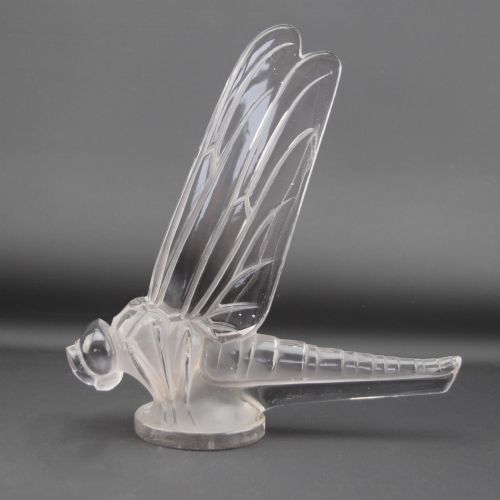
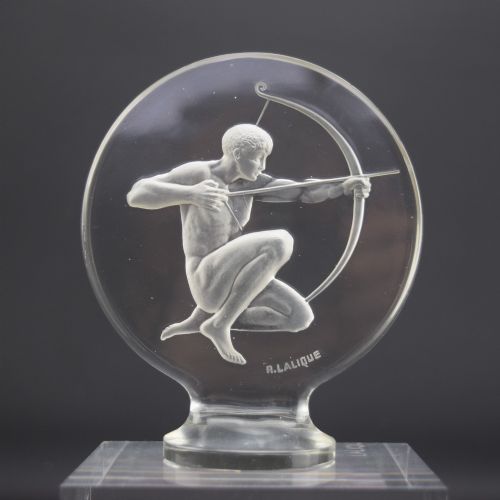
An art deco car mascot represents the sculptural ornaments mounted on automobile radiator caps during the 1920s, 1930s, and 1940s. These pieces capture speed and nature through streamlined figures of animals and mythological subjects.
You will frequently meet glass interpretations by makers such as René Lalique and Sabino, alongside metal versions cast in bronze, brass, silver plate, and chrome. Many of these figures double as paperweights when removed from their original vehicle mounts.
British and continental workshops produced these objects to adorn classic motor cars before shifting social tastes and safety regulations retired them from the bonnet. Today, collectors encounter them mounted on wooden or synthetic plinths for display.
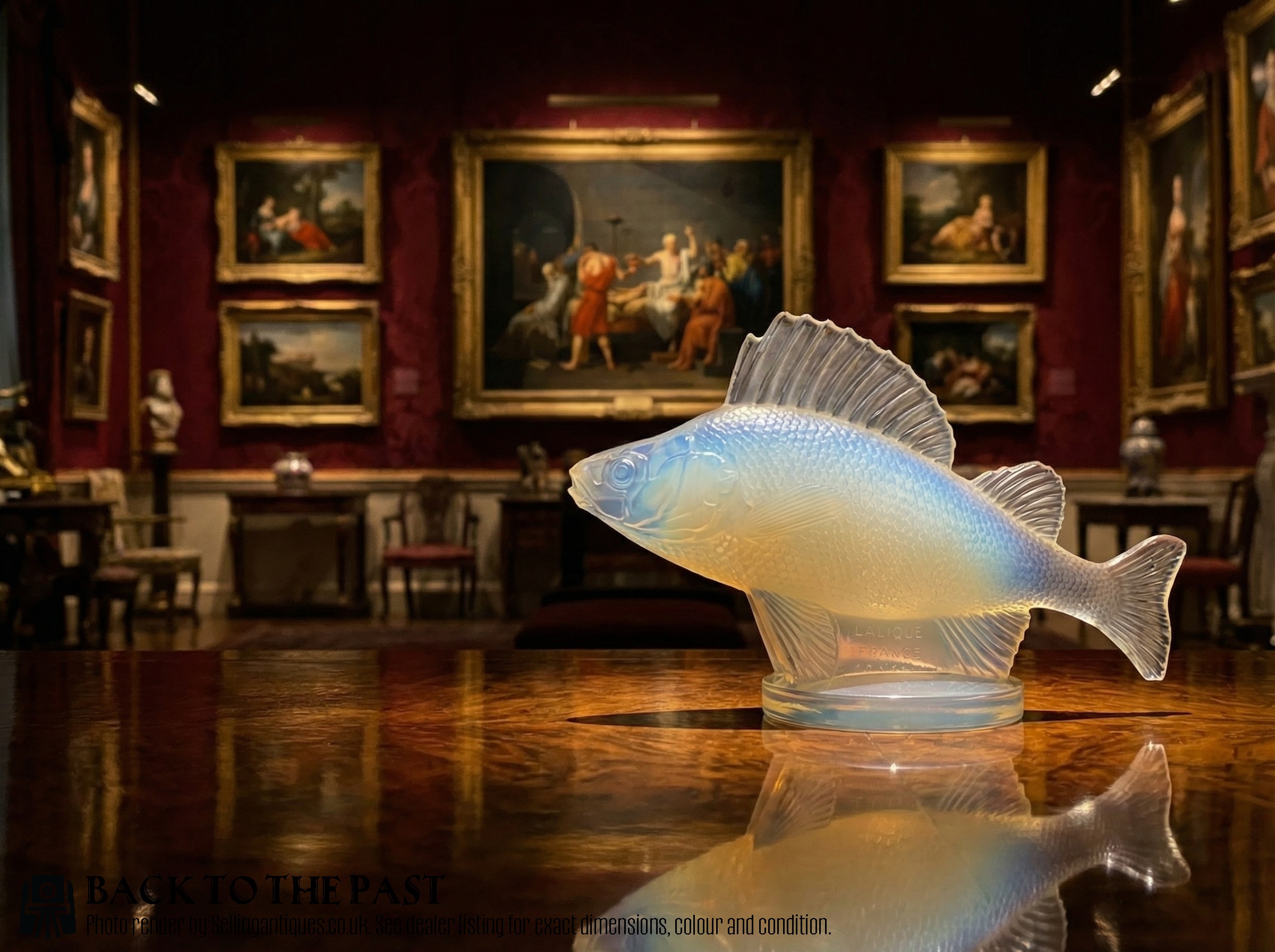
How they were made
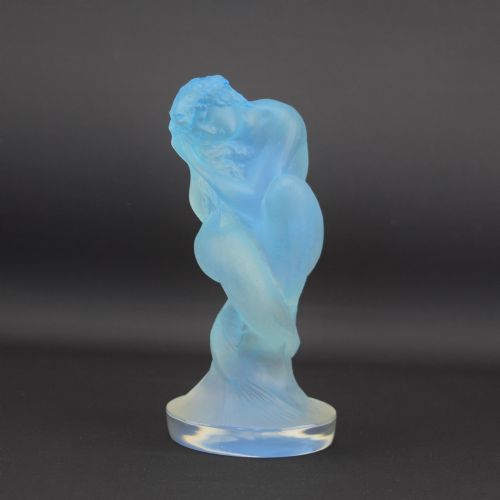
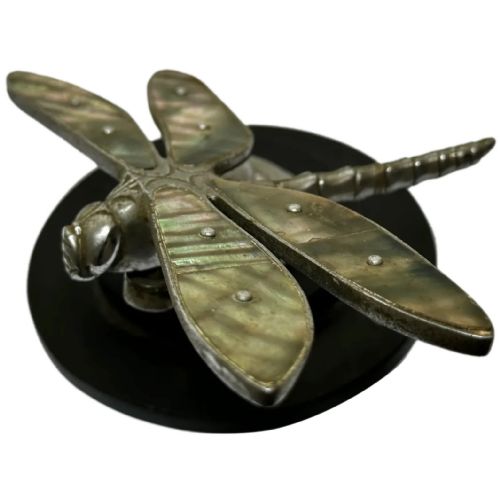
Glass mascottes were produced using moulded, opalescent, and frosted techniques that catch the light to emphasise the contours of insects, fish, and birds. Metal examples relied on bronze and brass casting, frequently finished with cold painting, silver plating, or chrome.
French and British foundries utilised specialised metalwork and glass-pressing methods to achieve sharp geometric lines and smooth curves characteristic of the period style. Bases occasionally incorporated materials such as Bakelite and wood to secure the sculpture.
Retail Price Guide 2026
Typical UK retail prices for art deco car mascot, calculated from the Sellingantiques database of over a million retail prices indexed since 2003. This retail price guide relies exclusively on Sellingantiques data; no external sources or auction records are used, so the figures do not describe the wider market.
Listings feature moulded, opalescent, and frosted glass alongside bronze, brass, wood, chrome, and metal across the 1920, 1930, and 1940 periods.
What varies in quality
The distinction between standard production and the finest work lies in the crispness of the casting detail and the depth of the glass opalescence. Master modellers achieved subtle translucency and anatomical precision that lesser commercial foundries missed.
Original surface finishes, whether cold painted pigments or polished chrome, dictate the visual strength of the piece. Crisp artist signatures and period mounting hardware elevate the desirability of individual examples.
Rene Lalique·Desmo·Sabino·Etling
The Art Deco Car Mascot Glossary
- Car mascot
- A sculptural ornament mounted on the radiator cap of a motor car. They became popular decorative statements during the inter-war decades.
- Opalescent glass
- Glass containing agents that create a milky, milky-blue appearance with warm highlights when lit. This finish was favoured for Art Deco figures to create depth.
- Cold painted
- A method of applying non-fired paint to bronze metalwork. This technique added realistic colour to animal and insect subjects without subjecting the metal to high heat.
- Bakelite
- An early synthetic plastic used widely in the period for electrical items and display plinths. Its dense, dark properties provided a stable base for metal sculptures.
- Frosted glass
- Glass treated by acid-etching or sandblasting to create a matte, translucent surface. It diffuses light gently across sculptural forms.
Frequently Asked Questions
How were car mascots mounted?
These sculptures were originally threaded or bolted directly onto the radiator cap of a motor car to lead the vehicle forward.
Today, surviving examples are usually displayed on wooden or Bakelite plinths as desk sculptures or paperweights.
What materials are most common?
Moulded, opalescent, and frosted glass feature prominently alongside cast bronze, brass, and chrome.
French pieces frequently utilise pressed glass, whilst British and continental foundries relied heavily on metal alloys with various surface platings.
Are these pieces from the 1930s?
The majority of these objects date from the 1920s and 1930s, with occasional examples extending into the 1940s.
This era defined the peak of aerodynamic styling and luxury motoring ornamentation.
Can I use them as paperweights?
Glass and bronze mascots make ideal desk accessories and paperweights when removed from their automotive context.
Their solid weight and compact sculptural forms lend themselves well to interior display.