


1920s Glass Car Mascot
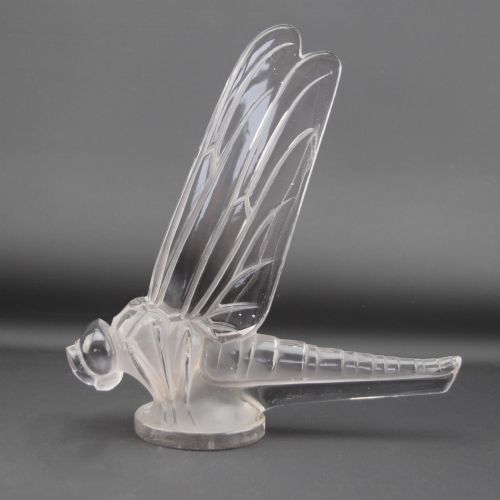
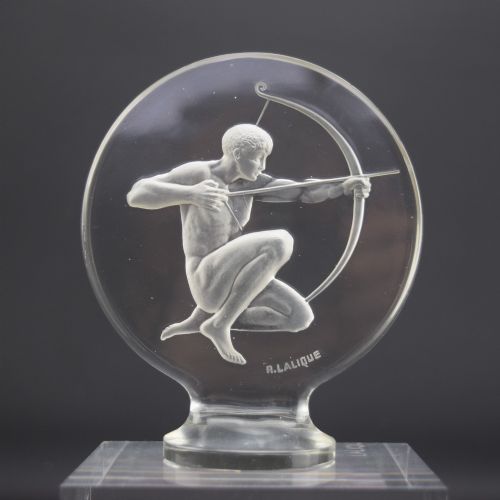
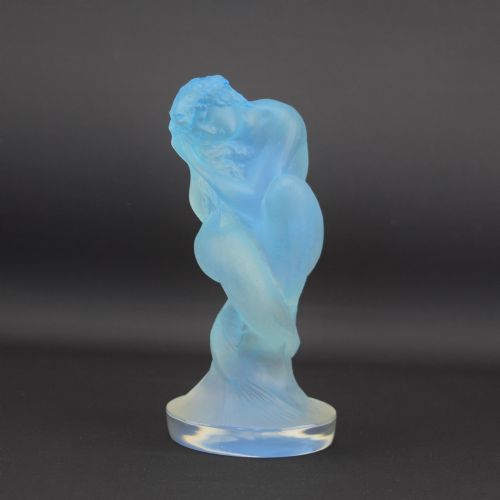
A 1920s glass car mascot sits proudly upon a radiator cap, capturing the speed and glamour of the Art Deco era in solid form.
1920s Glass Car Mascot
When you search for a 1920s glass car mascot, you are looking at small sculptural ornaments that motorists mounted on their radiator caps during the interwar period. These decorative objects transformed utilitarian motor vehicles into rolling showcases of modern design and personal taste.
The versions you are most likely to meet on this page take the form of stylised animals, human figures, and mythical subjects rendered in solid glass. They reflect the Art Deco style through their dynamic lines and commitment to speed, grace, and stylised natural forms.
Originating predominantly from the workshops of the period, these pieces served a dual life as both automotive ornaments and miniature desk sculptures. Many examples show mounting provisions at the base, intended to secure the piece to a vehicle's cooling system cap.
How they were made
Makers utilised hot glass techniques, pouring molten material into heavy metal moulds to achieve precise animal and figurative shapes. The resulting forms required careful cooling to prevent internal stress within the thick mass of the glass.
Surface treatments played a vital role in defining the appearance of each mascot, moving beyond simple transparency. Craftsmen applied acid-etching, enamelling, and polishing to create frosted, opalescent, and clear visual effects that caught the sunlight during daytime drives.
The objects recorded in this category span the 1920 and 1930 periods within the Art Deco style.
What varies in quality
The definition of the mould impression dictates much of the visual success of a piece, separating sharp, spirited modeling from softer, blurred contours. Superior examples retain crisp feather, scale, and facial details that survive the intensive pressing and finishing processes.
The optical quality of the glass itself, particularly the depth of opalescence or the purity of topaz and clear variants, marks the distinction between standard production and the finest output. Subtle shifts in colour saturation and light diffusion reveal the skill involved in the original chemistry and cooling stages.
Rene Lalique
The 1920s Glass Car Mascot Glossary
- Car mascot
- A sculptural ornament mounted on the radiator cap of a motor vehicle. These objects served to personalise automobiles during the early decades of motoring.
- Opalescent glass
- A type of glass that displays milky, translucent blue and amber tones when lit from different angles. This optical effect shifts depending on the surrounding light.
- Moulded glass
- Glass formed by pressing molten material into a metal or wooden matrix. This technique allowed for repeatable, three-dimensional sculptural forms.
- Frosted glass
- Glass treated with acid or mechanical abrasion to create a matte, non-reflective surface texture. This finish highlights the contours of figurative subjects by softening direct light reflections.
- Art Deco
- The dominant design style of the 1920s and 1930s, characterised by streamlined shapes, symmetrical patterns, and modern industrial influences.
1920s Glass Car Mascot: Frequently Asked Questions
What is a 1920s glass car mascot?
A 1920s glass car mascot is a decorative sculptural piece designed to mount on the radiator cap of a motor car. These objects combined motoring culture with high-end decorative arts during the Art Deco period.
Drivers used them to personalise their vehicles, turning standard transport into rolling art displays. Many collectors today remove them from vehicles to display them as desk sculptures or paperweights.
How were glass mascots used on cars?
Mascots were secured directly to the radiator cap of the car, positioning them prominently at the front of the vehicle. As the car moved, sunlight caught the glass, creating a glowing ornament ahead of the driver.
Because motoring exposed these pieces to vibration and weather, many originals sustained damage over time. This makes surviving examples with intact mounting bases particularly notable for collectors today.
How do I identify Art Deco style in these pieces?
Art Deco style appears in these mascots through streamlined forms, stylised animal anatomy, and dynamic poses suggesting motion. Figures of birds, fish, and mythical subjects are reduced to their essential, elegant geometries.
This aesthetic rejected fussy Victorian ornamentation in favour of modern industrial grace. The focus remained on clean silhouettes that looked striking both at rest and in motion.
Can I display these mascots off a car?
You can display these mascots safely on flat surfaces, shelves, or desks without mounting them to a vehicle. Many pieces double as paperweights or cabinet sculptures, allowing their glass effects to be appreciated up close.
Placing them near natural light sources helps reveal the opalescent and frosted qualities built into the material. Collectors often use illuminated bases to highlight the optical properties of the glass.