



Art Deco Glass Mascot
An art deco glass mascot captures the modernist spirit of the interwar years, serving as both a striking automobile ornament and a sculptural desk object.

Art Deco Glass Mascot
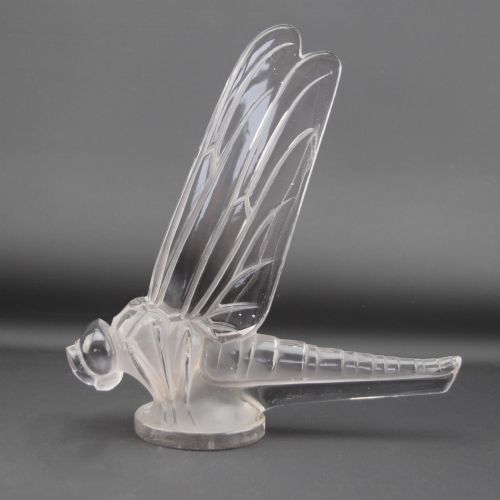
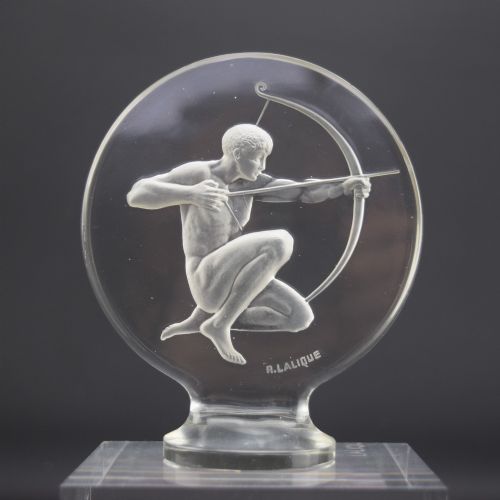
An art deco glass mascot is primarily encountered as a car mascot or a paperweight, originating from the 1920s and 1930s. These pieces take the form of stylised animals, mythological figures, and birds designed to mount upon a vehicle radiator cap or sit upon a desk.
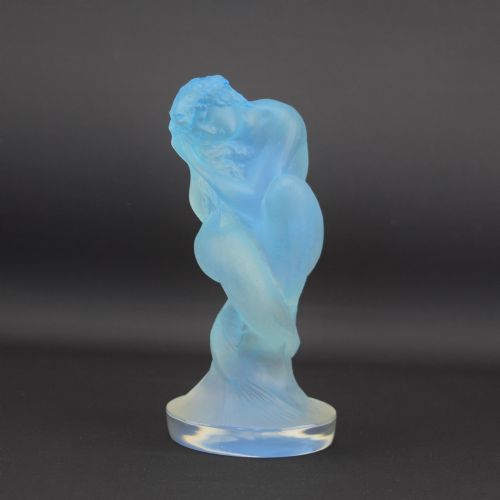
The versions most likely to be met on this page are figural car mascots and paperweights fashioned during the height of the Art Deco period. Common representations include birds, fish, and human figures such as archers and sirens, often doubling in utility.
The origins of these objects lie firmly in the interwar decades, specifically spanning the years from 1920 to 1930. They reflect the industrial optimism and dynamic movement associated with early twentieth-century design.
Manufacture and Materials
These pieces utilise moulded glass, pressed glass, and moulded crystal as primary mediums, frequently enhanced by frosted or opalescent finishes. The manufacturing process relies on heavy industrial moulding techniques to achieve thick, tactile three-dimensional forms.
Makers employed clear glass alongside opalescent and topaz variations to catch and refract light effectively. Some examples incorporate metal and wood components for mounting and display purposes.
Art Deco Glass Mascot Retail Price Guide 2026
Typical asking prices for art deco glass mascot among the pieces listed under this phrase on Sellingantiques today, from the lower quarter to the upper quarter. They describe what is for sale here now, not the wider market.
Wild boars, quails, and frogs shared the bonnet with mythical sirens and archers.
Assessing Quality
Quality in an art deco glass mascot rests upon the crispness of the moulding and the depth of the finish. Superior examples display sharply defined facial expressions and feather details that remain legible through dense, heavy glass.
The choice of material treatment also dictates distinction, particularly where opalescent effects create shifting blue and amber tones within the contours. The integration of metal or wood bases further separates standard production pieces from finer sculptural iterations.
Rene Lalique
The Art Deco Glass Mascot Glossary
- Car Mascot
- An ornamental sculpture mounted on the radiator cap of a motor car during the early twentieth century. These figures became popular status symbols for motorists.
- Opalescent Glass
- Glass that diffuses light to display milky, semi-translucent qualities with subtle colour shifts. This effect was achieved through specific chemical additives during the melting process.
- Frosted Glass
- Glass treated to create a textured, matte surface rather than a transparent polish. This finish accentuates the sculptural contours of figural designs.
- Paperweight
- A heavy decorative object placed on loose sheets of paper to prevent them from blowing away. Many car mascot designs were produced in identical moulds to serve this secondary desk function.
Art Deco Glass Mascot: Frequently Asked Questions
What is an art deco glass mascot?
An art deco glass mascot is a heavy sculptural object produced during the 1920s and 1930s. They were originally mounted on automobile radiator caps to display personal style.
Over time, many of these pieces transitioned into desk accessories and paperweights. Their forms draw heavily from nature and mythology.
How were they used on cars?
These glass figures screwed directly onto the radiator cap at the front of a motor vehicle. They allowed motorists to personalise their automobiles.
As car designs changed and radiator caps became hidden beneath bonnets, many mascots were repurposed for interior display.
Are they car mascots or paperweights?
They can be both, as many designs were issued for dual purposes. The heavy moulded glass base allowed them to function equally well as desk paperweights.
Some examples show evidence of metal mounting hardware, while others were finished specifically for desktop use.
How do I identify the period?
Dating relies on stylistic markers of the Art Deco movement and the specific moulding techniques of the 1920s and 1930s. Subject matter often reflects the modernism of the interwar years.
Materials such as opalescent and frosted glass are characteristic of this specific manufacturing era.