


Vintage Glass Hood Ornament
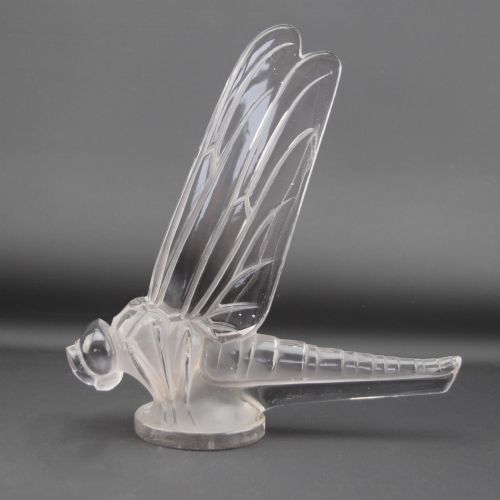
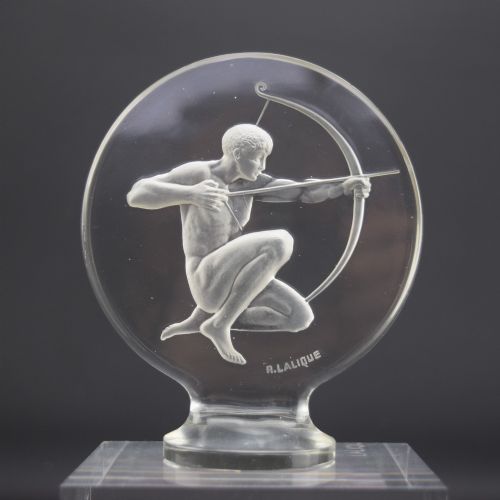
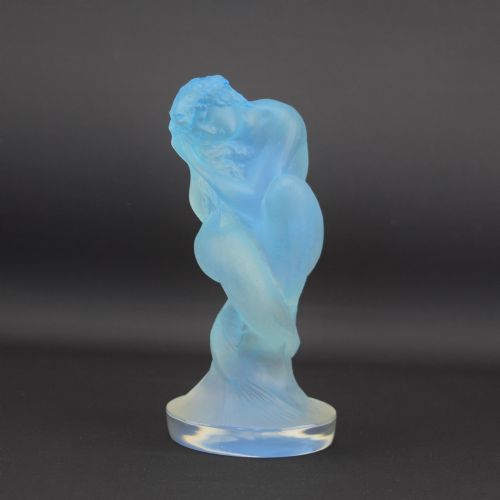
A vintage glass hood ornament brings the unmistakable elegance of the Art Deco era to your collection, capturing speed and form in translucent relief.
Vintage Glass Hood Ornament
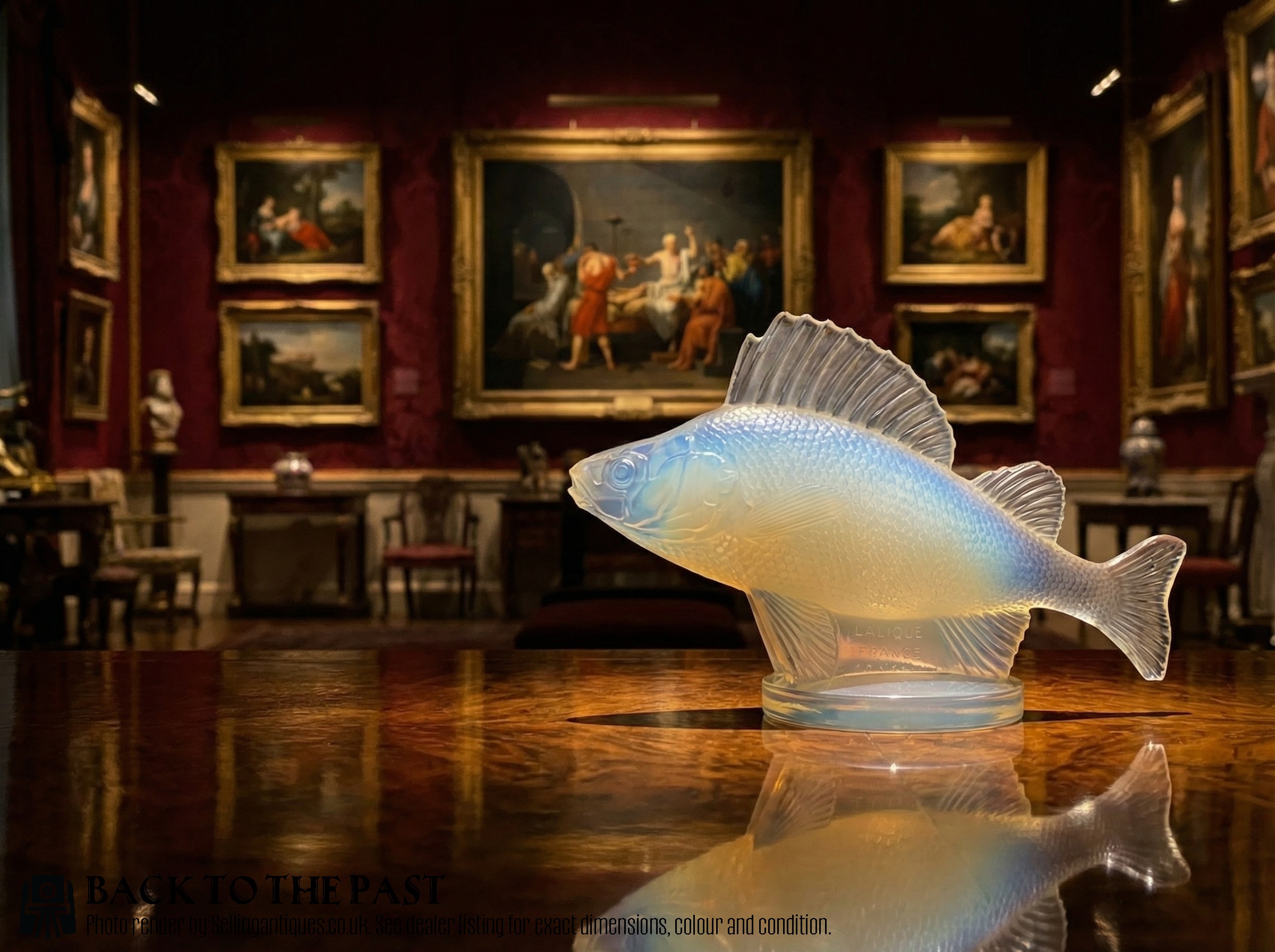
When you search for a vintage glass hood ornament, you encounter motoring accessories that doubled as sculptural decorative objects during the nineteen-twenties and nineteen-thirties. These car mascots were mounted atop radiator caps to personalise automobiles with striking animal and figure forms.
The versions you meet on this page are predominantly moulded glass objects from the Art Deco period. Many examples double as paperweights, reflecting how these glass sculptures transition easily from the bonnet to the desk.
Materials and Technique
The pieces rely on moulded and pressed glass techniques to achieve their sculptural detail and dimensional depth. Makers utilised clear, frosted, and opalescent glass to catch and refract light as the vehicle moved.
Metal and wood components frequently support the glass figures, providing the necessary fixtures to mount the mascots securely to a car bonnet.
Vintage Glass Hood Ornament Retail Price Guide 2026
Typical asking prices for vintage glass hood ornament among the pieces listed under this phrase on Sellingantiques today, from the lower quarter to the upper quarter. They describe what is for sale here now, not the wider market.
Current listings entirely feature nineteen-twenties and nineteen-thirties Art Deco pieces made from moulded, frosted, opalescent, and clear glass.
Judging Quality
Quality rests upon the crispness of the moulded relief and the subtle optical properties of the glass. Opalescent and coloured passages shift in tone under changing light, separating finer artistic achievements from simpler production.
The sophistication of the animal or figurative design dictates the standing of the piece. Masterful anatomical rendering and dynamic posture elevate a car mascot far beyond standard automotive ornamentation.
Rene Lalique
The Vintage Glass Hood Ornament Glossary
- Car Mascot
- A sculptural ornament mounted on the radiator cap of a motor car. These items served as both personal statements and aerodynamic decorations during the early twentieth century.
- Opalescent Glass
- Glass that exhibits a milky, milky-blue or fire-like iridescence when lit from certain angles. This optical effect creates shifting tones across the surface of the sculpture.
- Moulded Glass
- Glass formed by pressing molten material into a metal or wooden matrix to shape complex three-dimensional figures. The technique allows for consistent production of intricate sculptural details.
- Art Deco
- The dominant design style of the nineteen-twenties and nineteen-thirties, characterised by sleek lines, stylised motifs, and modern industrial elegance. It heavily influences the aesthetic of these motoring ornaments.
Vintage Glass Hood Ornament: Frequently Asked Questions
What is a vintage glass hood ornament?
A vintage glass hood ornament is a sculptural car mascot designed to mount on a vehicle radiator cap during the nineteen-twenties and nineteen-thirties.
These pieces combine automotive history with decorative glass art, often depicting animals or human figures in an Art Deco style.
How were these glass mascots used?
Drivers mounted them on the exterior radiator caps of period automobiles to individualise their vehicles and display artistic taste.
Today, collectors remove them from cars to display them on desks or shelves as standalone sculptures and paperweights.
How do I identify an Art Deco car mascot?
Look for stylised animal and figurative forms that capture motion, typical of the design ethos between nineteen-twenty and nineteen-thirty.
The use of moulded, frosted, and opalescent glass is also a strong indicator of this specific decorative period.
Can these ornaments still be mounted on cars?
While originally built for automotive display, their fragile glass construction makes modern road use impractical for preservation reasons.
Owners generally house them indoors as decorative objects rather than exposing them to the elements on a vehicle bonnet.