



French Glass Mascot
These French glass mascot pieces are striking Art Deco objects of sculpture and motoring history that bring bold, tactile design to any room.
French Glass Mascot
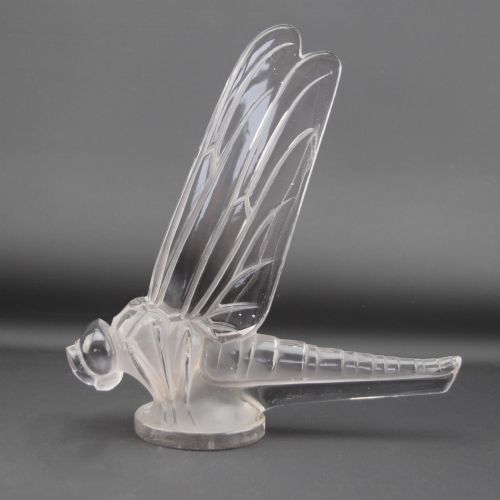
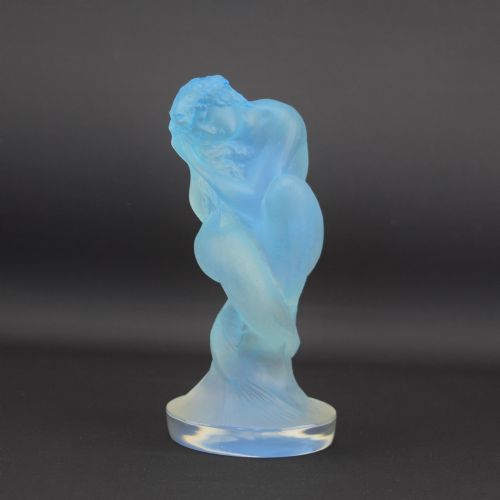
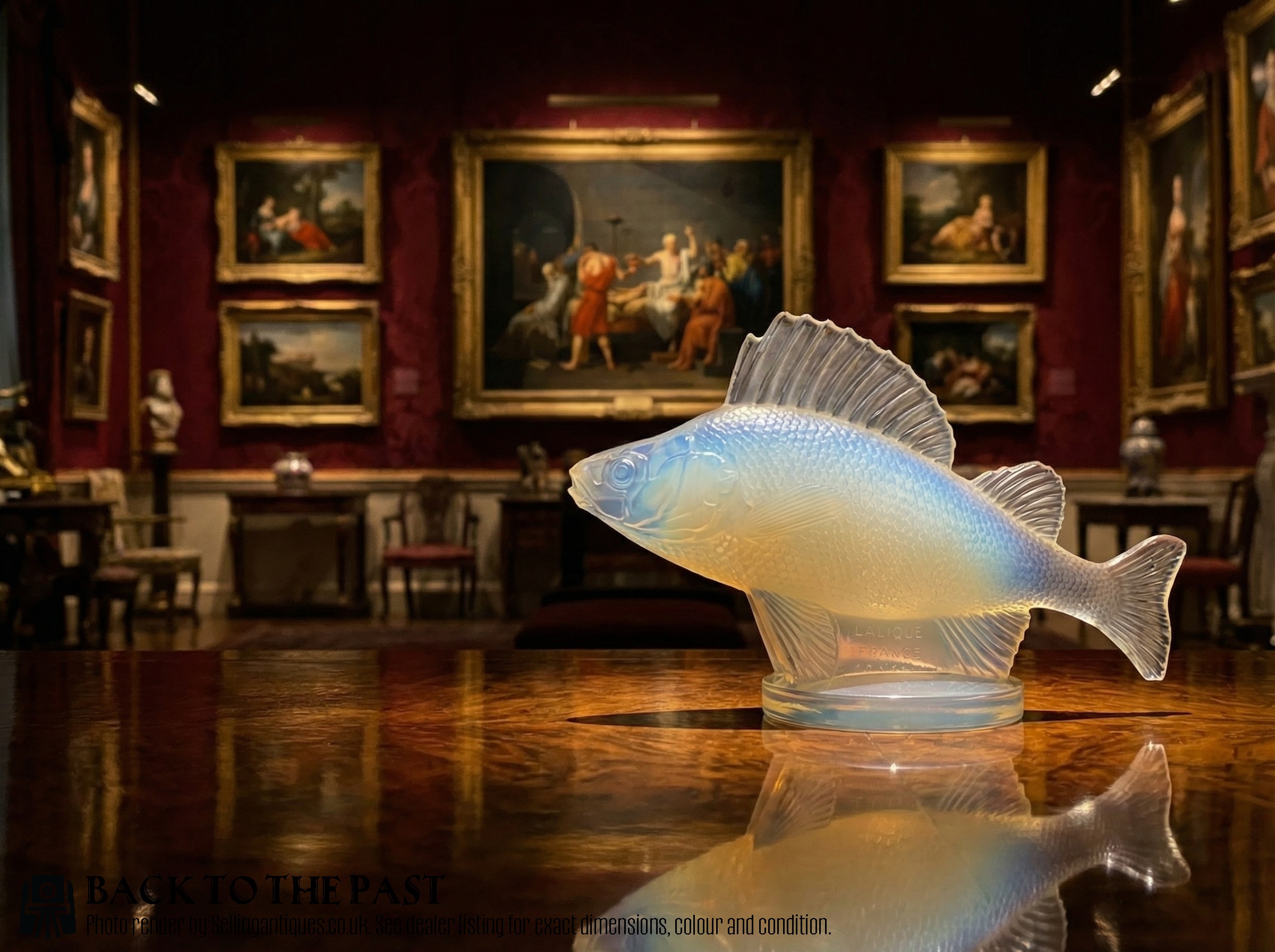
A french glass mascot is primarily a car mascot or paperweight designed during the 1920 and 1930 periods. These sculptural pieces take the form of animals and figures, including birds, fish, and mythological subjects.
Collectors most frequently meet car mascots and paperweights on this page. Many examples double as both car mascots and paperweights, reflecting their versatile manufacture and display history.
How they were made
Makers utilised moulded glass, pressed glass, and moulded crystal to shape these detailed animal and figure subjects. The production processes also incorporated frosted glass, opalescent glass, and clear glass alongside topaz variants.
Finishing touches frequently integrated metal and wood elements to support or mount the glass bodies. These combined materials gave the objects their distinct weight and presence.
Materials recorded across these listings include moulded glass, opalescent glass, frosted glass, clear glass, pressed glass, moulded crystal, metal, and wood.
What varies in quality
The integration of metal mounts or wooden bases affects the overall balance of the piece. Superior examples display crisp definition in every curve of the moulded form.
Rene Lalique
The French Glass Mascot Glossary
- Car mascot
- A sculptural ornament mounted on the radiator cap of an automobile during the early twentieth century. These objects were removed from vehicles to be displayed on desks and shelves.
- Opalescent glass
- Glass containing ingredients that cause it to milky-blue or fire in transmitted and reflected light. This optical property creates shifting colour tones across the surface of the object.
- Moulded glass
- Glass shaped by being pressed into a metal or wooden form while hot. This technique allows for high levels of relief and intricate surface detail.
- Frosted glass
- Glass rendered matte through acid etching or sandblasting to diffuse light and soften contours. This finish highlights the sculptural modelling of the subject.
French Glass Mascot: Frequently Asked Questions
What is a french glass mascot?
A french glass mascot is a decorative sculptural object produced during the Art Deco era, designed primarily to adorn automobile radiator caps.
Many of these pieces also function as desk paperweights, serving as versatile decorative objects for collectors today.
How were they used on cars?
These glass sculptures were fitted to the radiator caps of luxury automobiles during the 1920 and 1930 periods to add personal flair.
Drivers often removed them when parking to prevent theft, which is why many survive today with their original mounting hardware intact or adapted for display.
What materials are used?
The pieces utilise moulded, pressed, frosted, opalescent, and clear glass, alongside moulded crystal.
Some examples incorporate metal and wood components to form secure mounts or display bases.
How do I display them?
These items look best placed where natural light can pass through the moulded and opalescent glass surfaces.
They sit securely on desks as paperweights or on shelves as standalone sculptural objects.