
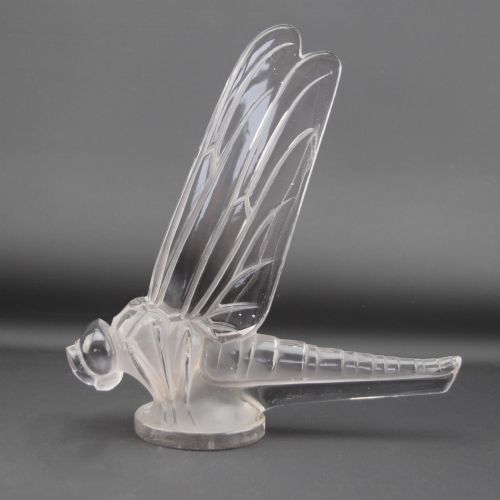
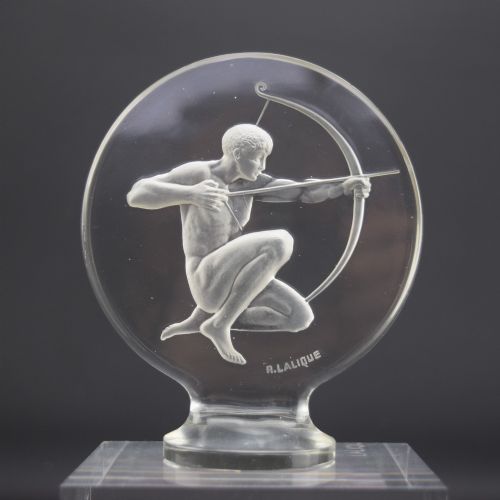
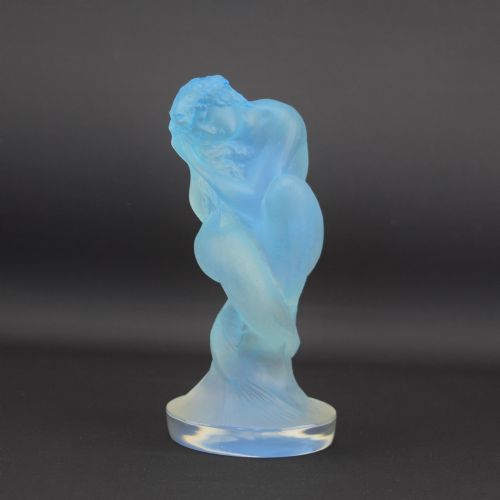


1920s Lalique Mascot
A 1920s lalique mascot is a moulded glass automotive ornament from the Art Deco period, prized by collectors for its sculptural form.
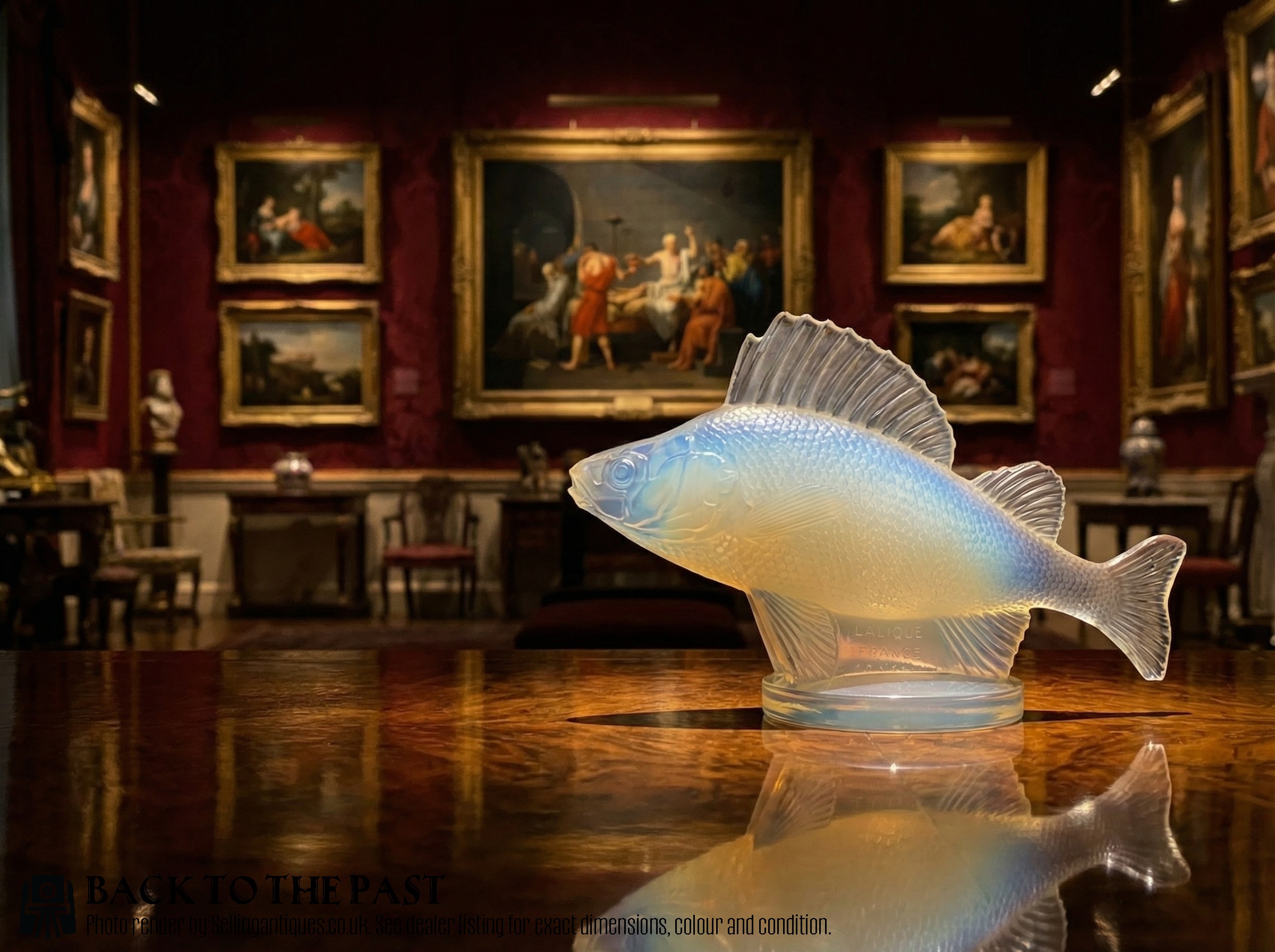
1920s Lalique Mascot
A 1920s lalique mascot sits atop a motor car as a decorative bonnet ornament, taking the form of animals, insects, and mythological figures. These pieces double as desk ornaments or paperweights when removed from a vehicle, offering multiple ways to display them.
The objects seen here hail from the 1920 and 1930 periods, demonstrating the iconic Art Deco style associated with the maker. Forms range from birds such as eagles, hawks, and peacocks to fish, dragonflies, and classical figures like Sirens and Naiads.
How they were made
Production relies on moulded and pressed glass techniques, shaping hot material into intricate animal and human profiles. Frosted finishes and clear glass create stark visual contrasts, often enhanced by the distinct optical play of opalescent or topaz glass.
Many examples incorporate metal bases or fittings designed to secure the glass securely to a motor car radiator cap. Selected pieces utilise wood elements to mount the glass when displayed away from a vehicle as a paperweight or decorative object.
Drivers in the 1920s could swap their glass boar for a dragonfly depending on their mood.
What varies in quality
The complexity of the subject matter dictates much of the visual appeal, with intricate insect wings and detailed plumage demanding superior skill from the glasshouse. Softer animal anatomy, such as the curved body of a boar or fish, relies on the precision of the initial glass mould.
The optical properties of the glass itself create distinctions across examples, particularly where opalescent or topaz colouration catches the light. The integration of metal mounts and the retention of original mounting hardware further separate standard objects from exceptional ones.
Rene Lalique
The 1920s Lalique Mascot Glossary
- Car mascot
- A decorative ornament mounted on the radiator cap of a motor car during the early twentieth century. These sculptural objects were removable and frequently repurposed indoors.
- Opalescent glass
- A type of glass that displays milky, bluish tones when viewed by reflected light and warm amber tones by transmitted light. This property brings movement to the wings and drapery of figures.
- Frosted glass
- Glass treated to give a textured, matte surface rather than a transparent finish. This technique highlights the contours of carved details against clear backgrounds.
- Pressed glass
- Glass formed by pressing molten material into a metal mould using a plunger. This method allowed for the repeatable production of complex decorative forms.
1920s Lalique Mascot: Frequently Asked Questions
What is a 1920s lalique mascot?
A 1920s lalique mascot is a glass automobile ornament sculpted in the Art Deco style, depicting animals, birds, insects, or mythological figures.
These pieces were mounted on motor car radiator caps before collectors began preserving them as standalone decorative objects and paperweights.
How were they used on cars?
Mascots screwed onto the radiator caps of motor cars to personalise the vehicle during the 1920s and 1930s. Metal fittings secured the heavy glass sculptures against vibration.
Owners frequently removed the glass ornaments when parking to prevent theft, leading many to function later as desk accessories.
What materials are used?
The pieces consist primarily of moulded, pressed, frosted, clear, opalescent, or topaz glass. Metal and wood components appear in the mounting hardware and display bases.
The interplay between frosted surfaces and clear or opalescent glass defines the visual texture of the objects.
How do I identify the subjects?
Subjects include birds like eagles, hawks, and peacocks, alongside insects such as dragonflies and aquatic creatures like fish.
Mythological figures such as Sirens and Naiads, as well as mammals like wild boars, complete the repertoire of forms.