




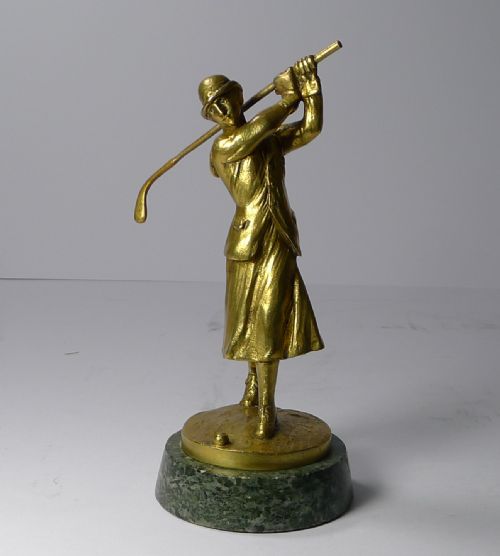

Vintage Radiator Ornament
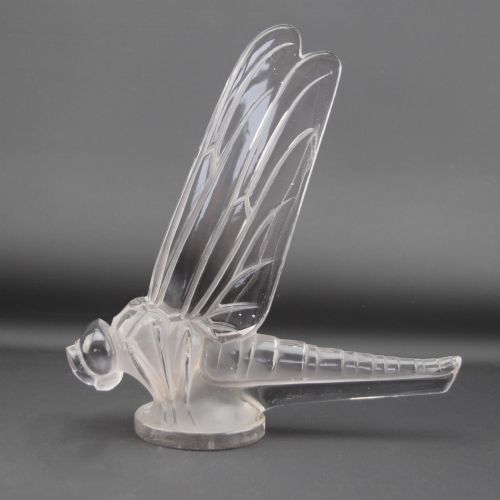
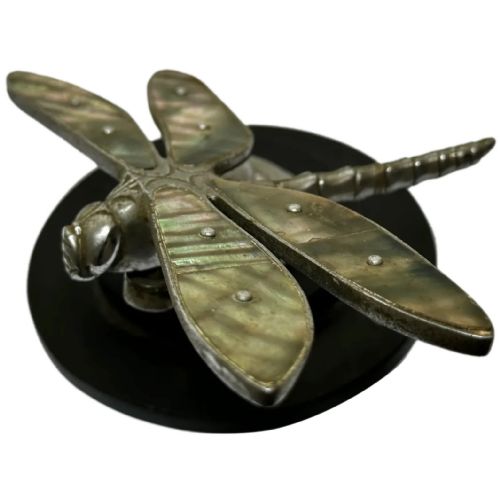
These vintage radiator ornament pieces bring kinetic grace to a bonnet, formed from bronze, chrome, and moulded glass.
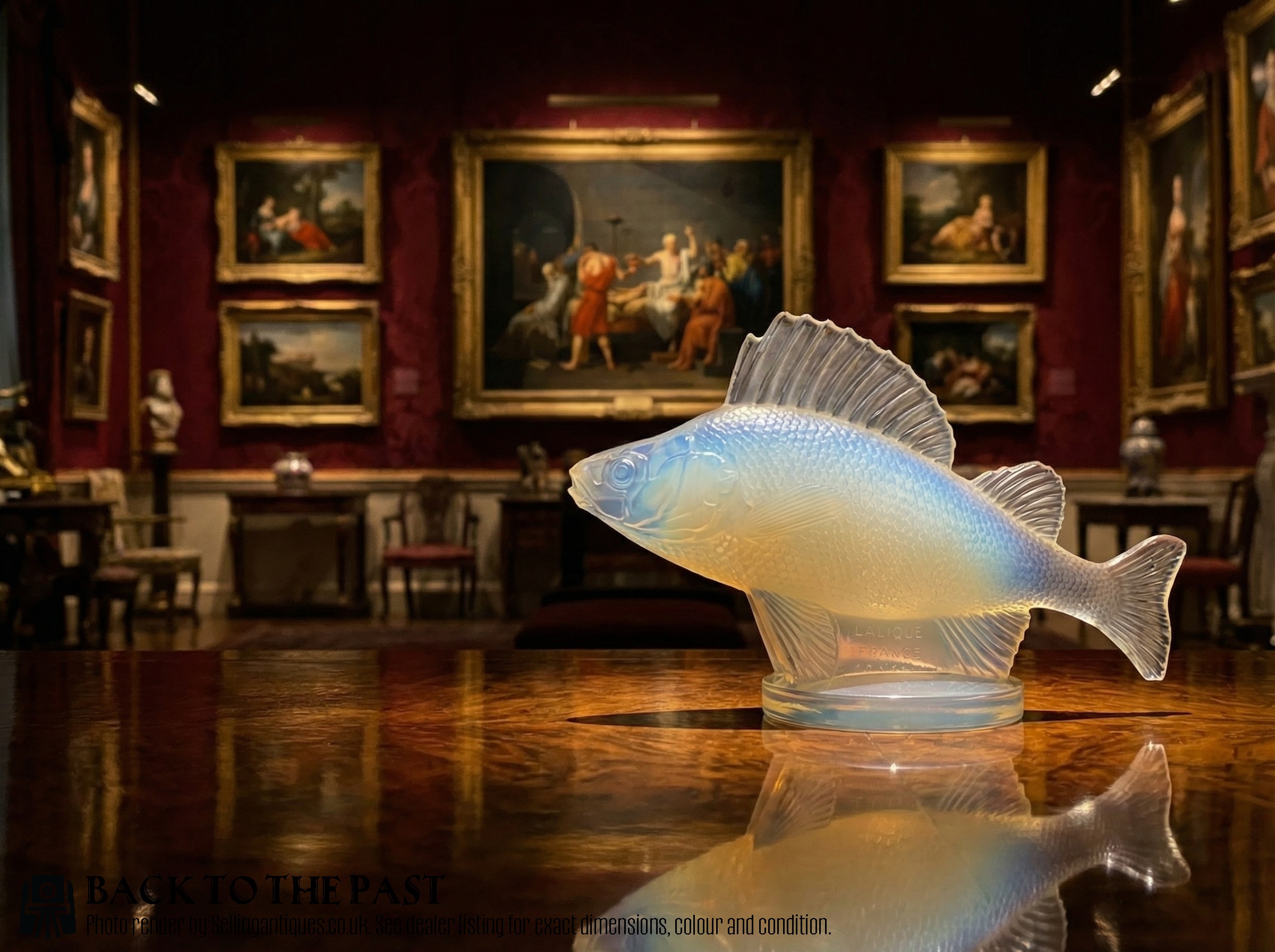
Vintage Radiator Ornament
When you search for vintage radiator ornament pieces, you are looking at motoring accessories, paperweights, and sculptures designed to sit atop a vehicle's cooling system. Most examples on this page date from the 1900s through to the 1940s, capturing Edwardian and Art Deco movements.
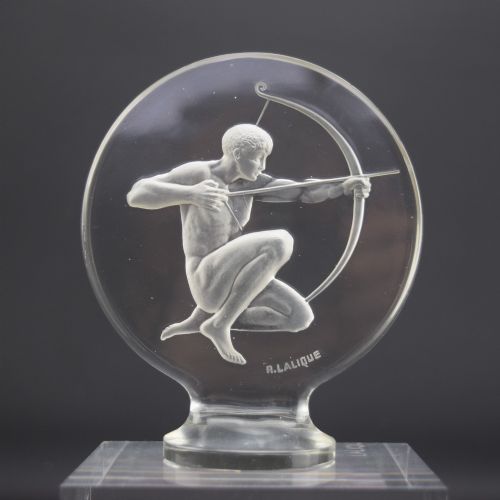
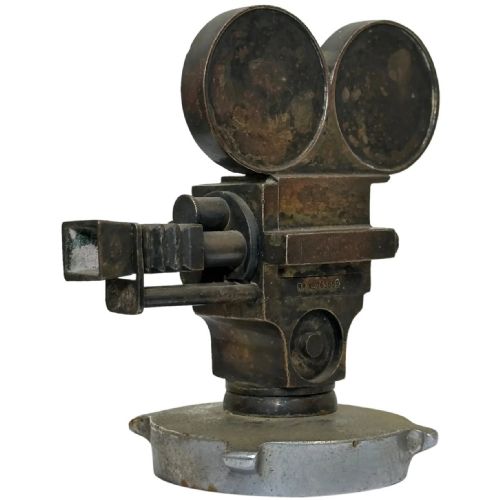
The forms vary widely from animals and birds to figurative studies and bespoke objects. You will frequently encounter moulded glass mascots alongside cast bronze figures.
These items served both decorative and patriotic purposes on the road before migrating to desk displays and cabinets. They reflect the industrial design priorities of early twentieth-century transport.
How they were made
Makers utilised high-heat casting methods for bronze, brass, and chrome elements, capturing fine details in fur, feathers, and mechanical parts. Cold-painted finishes were sometimes applied by hand to metal surfaces to add colour and contrast.
Glass pieces relied on specialised moulding techniques, often producing frosted or opalescent effects that caught the daylight on an open road. These glass mascots required precise annealing to withstand external temperatures.
Materials documented across the inventory include moulded glass, frosted glass, bronze, chrome, brass, and wood.
What varies in quality
For glass components, the depth of the opalescence and the absence of surface cooling flaws dictate the standing of the piece. Weight, finish retention on plated metals, and overall material density complete the hierarchy.
Rene Lalique·Desmo·Jose Dunach
The Vintage Radiator Ornament Glossary
- Car Mascot
- A sculptural ornament mounted on the radiator cap of a motor car. They gained immense popularity during the Art Deco period.
- Opalescent Glass
- Glass that displays a milky, iridescent quality shifting between blue and amber tones in the light. This effect was heavily utilised by major glass designers.
- Cold Painted
- A method of decorating metal sculptures with oil-based paints that are not fired in a kiln. Vienna bronzes frequently employed this technique.
- Grille Mascot
- A smaller figural ornament adapted to attach directly to a vehicle's front grille rather than the cap. These maintain the same stylistic vocabulary as bonnet mascots.
Vintage Radiator Ornament: Frequently Asked Questions
What is a vintage radiator ornament?
It is a sculptural piece mounted on the front of a motor vehicle, serving as a personal emblem for the driver. These items were widely produced in bronze, brass, and glass during the early decades of the twentieth century.
Over time, many migrated from engine caps into interior displays as desk accessories and shelf sculptures.
How were glass mascots attached?
Glass mascots were typically mounted into specialised metal collars screwed directly onto the vehicle's radiator cap. Rubber or leather gaskets secured the glass to prevent cracking from engine vibration.
Many survivors retain parts of these original metal mountings or show the threaded base required for installation.
Are these pieces waterproof?
Bronze, brass, and chrome versions tolerate outdoor conditions well, though vintage finishes can weather over decades. Glass examples handle rain safely but remain vulnerable to thermal shock if exposed to extreme temperature shifts.
Modern owners generally display them indoors to preserve fragile patinas and delicate glass surfaces.
How do I identify an Art Deco piece?
Art Deco examples rely on streamlined geometry, stylised animal forms, and representations of speed or modern technology. The materials often combine polished chrome with frosted glass or gilt bronze.
Signatures or foundry marks stamped near the base frequently confirm the period of manufacture.