

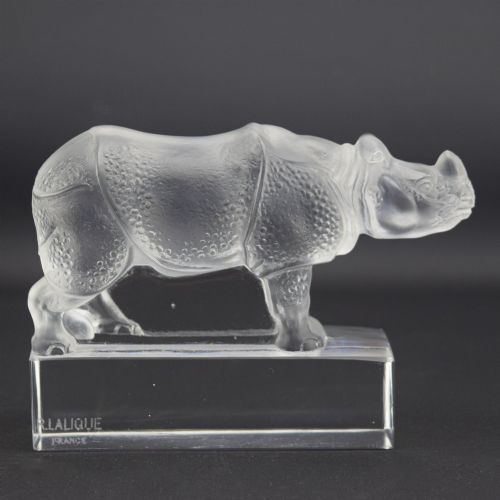


Lalique Glass Sculpture
Lalique glass sculpture captures the refined spirit of Art Deco and Art Nouveau design through masterwork moulding and frosting.
Lalique Glass Sculpture
A lalique glass sculpture embodies the sculptural mastery of early twentieth-century design, spanning the nineteen-tens through the nineteen-thirties. Pieces on this page primarily manifest as functional or decorative objects created during these formative decades.
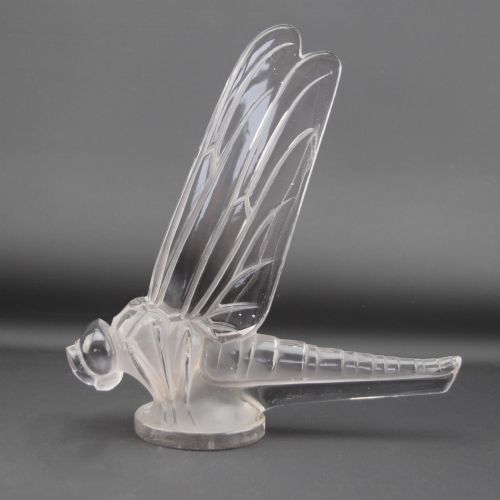
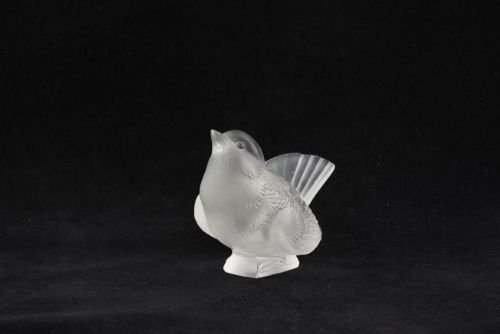
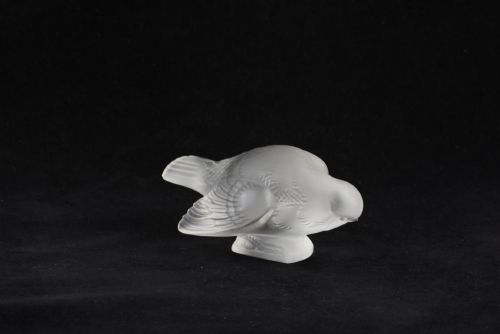
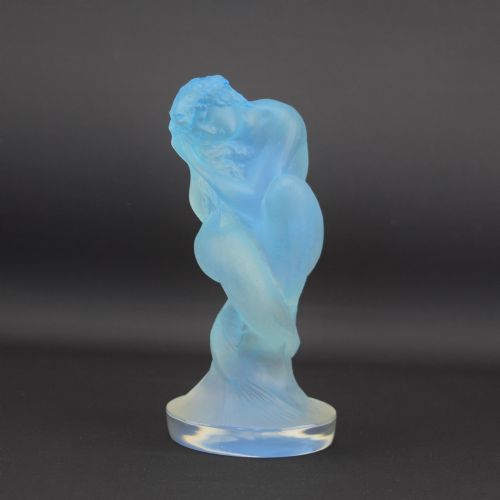
Collectors frequently encounter distinct forms ranging from automotive ornaments to compact desk seals and table sculptures. These works translate organic subjects like birds, fish, insects and human figures into tangible glass masterpieces.
The aesthetic bridges the ornate curves of Art Nouveau and the geometric streamlining of Art Deco. Each object serves as a testament to the versatility of glass as a sculptural medium during the height of its artistic evolution.
Materials and Techniques
Makers utilised specialised techniques involving pressed, moulded, and crystal glass to achieve distinct visual textures. The integration of frosted and clear sections creates striking contrasts that catch and diffuse light across the surface of the sculpture.
Opalescent and stained glass variations add a subtle play of colour, shifting tones depending on the angle of illumination. These methods require precise temperature control during casting to capture fine anatomical details in subjects such as birds and aquatic life.
Object forms recorded in the inventory include statuettes, desk seals, paperweights, and automotive mascots depicting fauna and figures.
Assessing Quality and Execution
The interplay between polished transparent surfaces and contrasting matte areas determines the overall depth of the sculpture. Skillful finishing ensures that the optical qualities of the crystal enhance the sculptural form rather than obscuring its details.
Rene Lalique
The Lalique Glass Sculpture Glossary
- Car Mascot
- An ornament mounted on the radiator cap of an automobile during the early twentieth century. These sculptural pieces double as miniature freestanding glass art.
- Opalescent Glass
- Glass that exhibits a milky, iridescent appearance with milky-blue or amber highlights when lit. This visual effect shifts depending on the direction of the light source.
- Frosted Glass
- Glass treated to achieve a textured, matte surface that diffuses light. This finish is frequently contrasted with clear polished sections to highlight sculptural depth.
- Desk Seal
- A small stamp or cachet featuring a carved sculptural handle. These items combine practical function with detailed miniature glass artistry.
Lalique Glass Sculpture: Frequently Asked Questions
What are lalique glass sculptures?
These pieces are artistic glass objects produced in France during the early twentieth century, encompassing decorative figures, desk seals, and automobile mascots.
They represent the pinnacle of decorative glass artistry, combining complex moulding techniques with naturalistic and modernist subjects.
How were car mascots used?
Automobile mascots were mounted on the radiator caps of luxury cars during the nineteen-twenties and thirties to display personal style.
Many were illuminated from below to showcase the translucent properties of the glass during evening drives.
How do I care for my sculpture?
Display the sculpture away from direct, harsh sunlight and areas subject to sudden temperature shifts to protect the glass.
Clean the surface gently with a soft, dry cloth to avoid scratching the delicate frosted and polished areas.
How can I tell the periods apart?
Earlier pieces often lean toward the flowing, organic lines of Art Nouveau, whilst later examples embrace the sharper geometry of Art Deco.
Subject matter and casting methods also evolve across the decades from the nineteen-tens to the nineteen-thirties.