
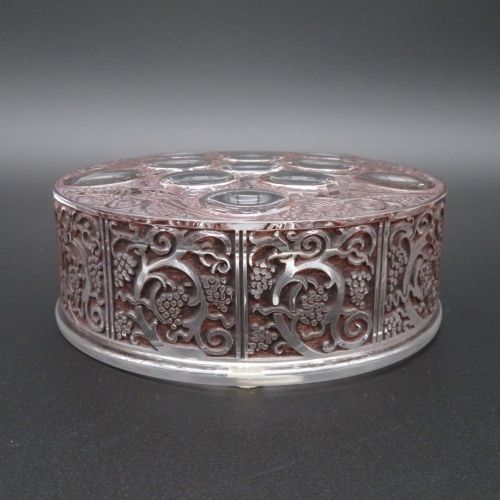
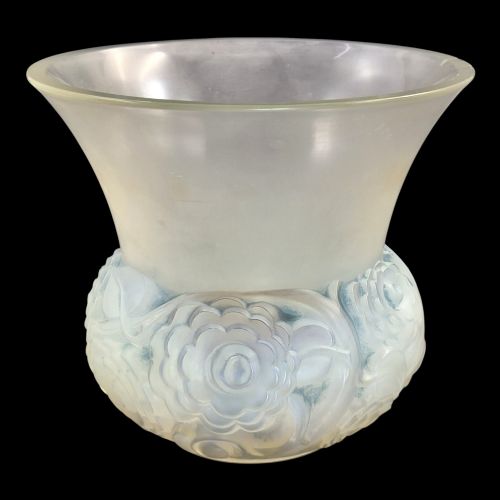

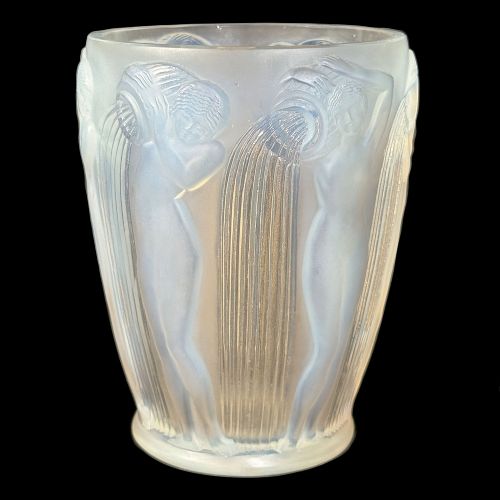
Vintage Lalique Glass
Vintage Lalique glass brings together delicate opalescent pieces and striking Art Deco forms that collectors prize for their tactile surface and frosted depth.

Identifying vintage lalique glass
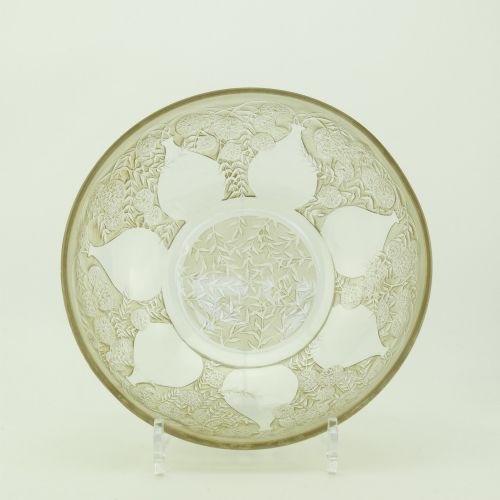
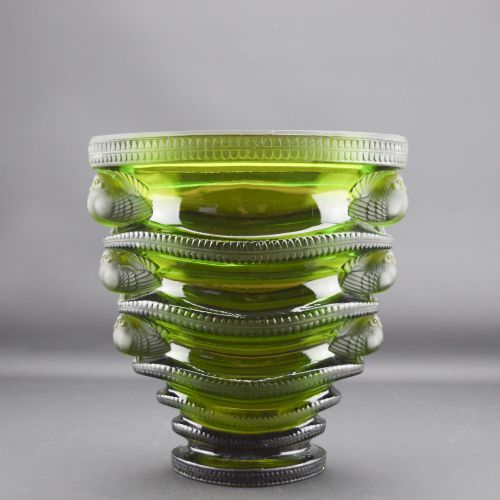
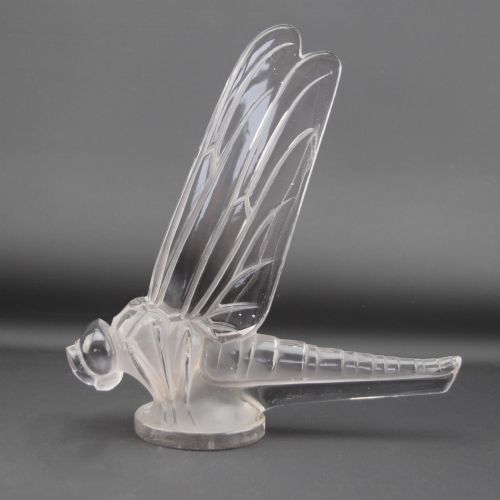
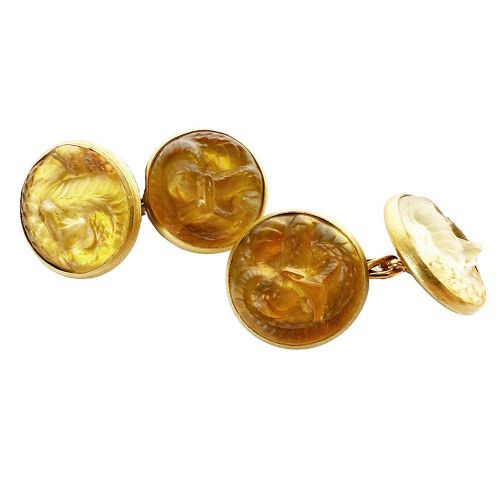
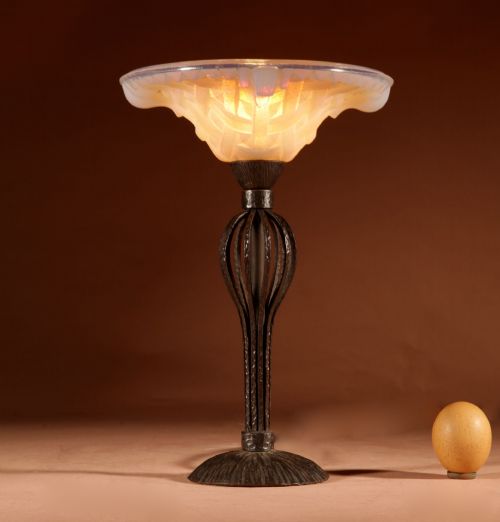
Vintage lalique glass encompasses decorative bowls, vases, paperweights, jewellery and decorative dishes originating from the nineteen-twenties and nineteen-thirties. These pieces showcase the distinct Art Deco style that defined the period, combining functional design with sculptural artistry.
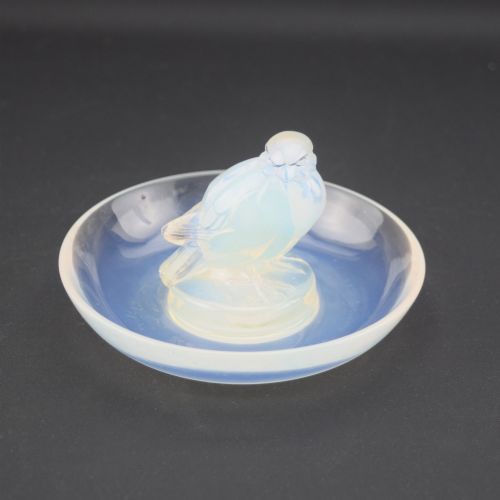
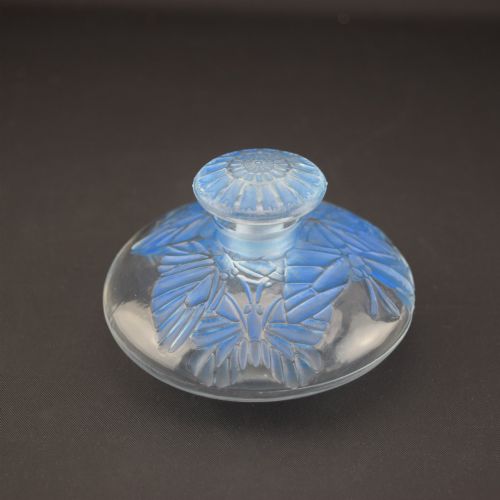
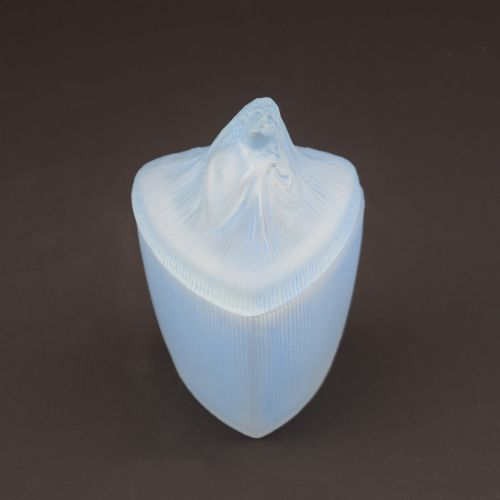
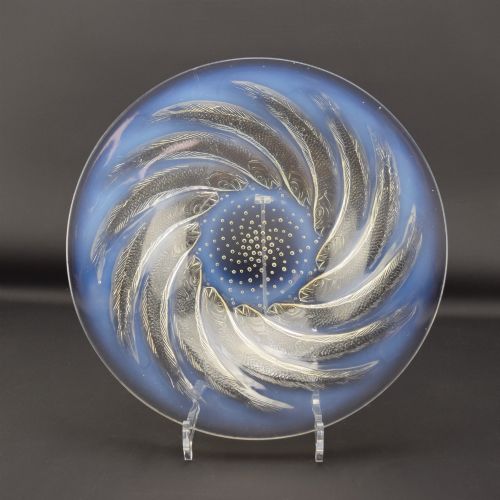
The objects available on this page appear primarily as paperweights, pendants, plates, bowls and vases. Each form demonstrates the characteristic aesthetic choices of Rene Lalique from the nineteen-twenties and nineteen-thirties, spanning clear crystal and coloured glass.

Production and materials
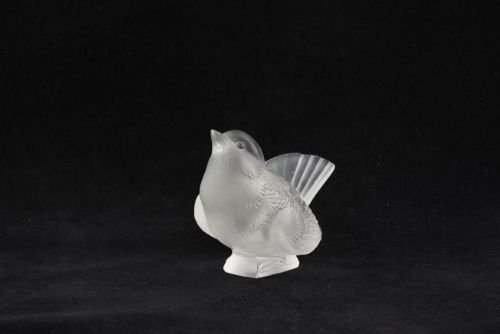
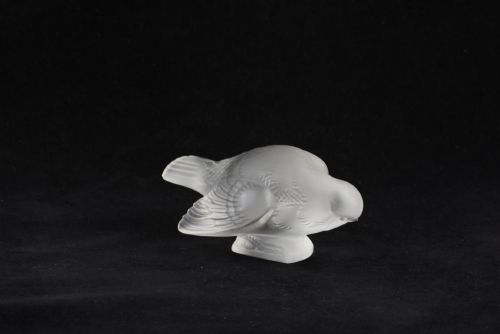
Makers utilised techniques involving moulded glass, crystal and frosted glass to achieve complex three-dimensional forms such as birds, fish and floral motifs. The manufacturing process relied on skilled glasswork to shape the material while incorporating intricate relief details.
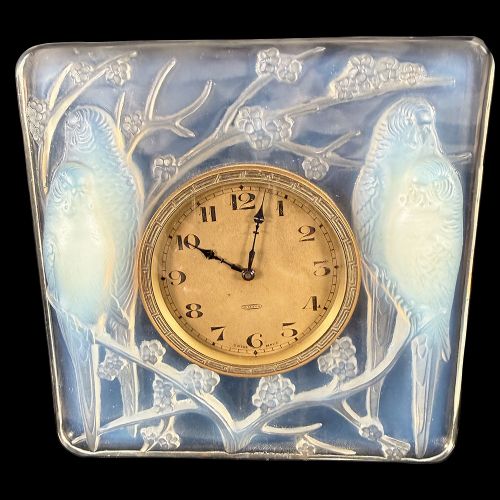
Colour and surface finish were achieved through opalescent glass, amber glass, stained glass and enamel stain applications. Details such as white staining accentuated the relief work on pieces like pendants and paperweights, creating contrast against coloured backgrounds.
Retail Price Guide 2026
Typical UK retail prices for vintage lalique glass, calculated from the Sellingantiques database of over a million retail prices indexed since 2003. This retail price guide relies exclusively on Sellingantiques data; no external sources or auction records are used, so the figures do not describe the wider market.
Listings feature items from the nineteen-twenties and nineteen-thirties, spanning moulded, opalescent, frosted and amber glass.
Assessing quality
Quality in these works rests upon the crispness of the moulded relief and the successful integration of coloured stains, such as enamel or blue staining, which bring depth to the frosted and opalescent surfaces. The articulation of fine details, from feathered wings to floral petals, distinguishes superior examples.
The interplay between clear crystal, opalescence and coloured glass dictates the visual impact of each piece. Superior execution ensures that light interacts effectively with the frosted and moulded textures, highlighting the Art Deco design.
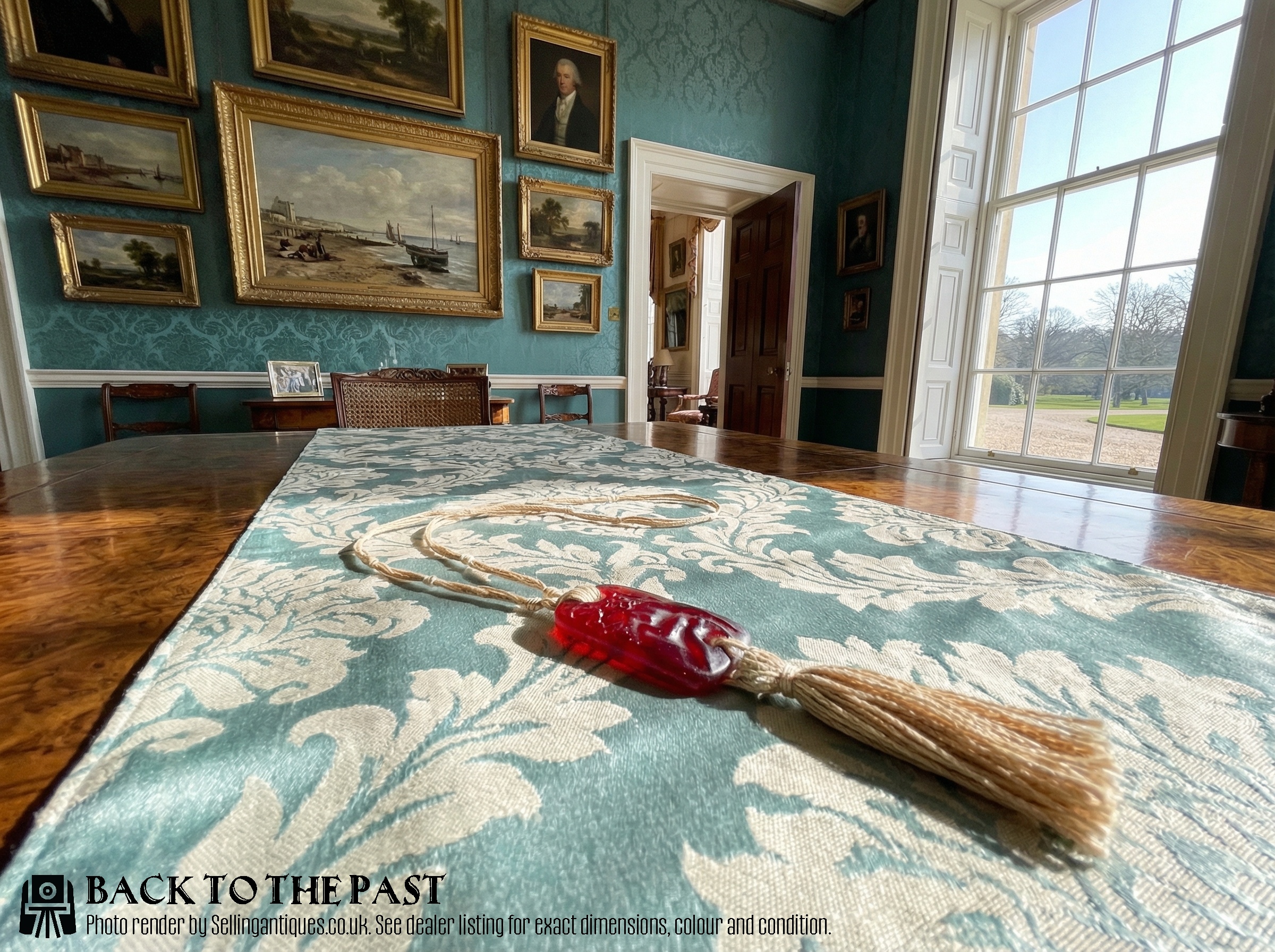
Rene Lalique
The Vintage Lalique Glass Glossary
- Opalescent glass
- Glass that diffuses light to display milky, iridescent blue or amber tones. This optical effect shifts depending on the angle of illumination.
- Frosted glass
- Glass treated to produce a textured, non-reflective surface that appears matte. It diffuses light softly and creates contrast against polished areas.
- Moulded glass
- Glass shaped by being pressed into a form or mould while molten. This technique allows for consistent reproduction of complex sculptural reliefs.
- Enamel stain
- Coloured pigment applied to recessed areas of the glass to emphasise design details. It provides sharp contrast against frosted or clear backgrounds.
Frequently Asked Questions
How do I identify a genuine piece?
Examine the piece for the characteristic weight and texture of moulded crystal, alongside the specific application of frosted surfaces and staining seen in nineteen-twenties production. The presence of modelled forms such as birds or fish typical of the Art Deco style aids identification.
Check for signature stylistic elements like opalescence and enamel highlights that define the period's output.
What periods do these items date from?
The items originate from the nineteen-twenties and nineteen-thirties, aligning with the height of the Art Deco movement. These decades saw the production of iconic vases, bowls and jewellery.
Pieces from this era reflect the specific aesthetic and technical innovations introduced during those years.
How were these decorative items used?
Objects such as vases, decorative bowls and plates served both ornamental and functional purposes in period interiors. Smaller items like paperweights and pendants functioned as desk accessories or personal adornment.
Their dual nature as art objects and functional items made them popular in fashionable households.
How should I care for frosted glass?
Maintain the surface by dusting gently with a soft cloth and avoiding harsh chemical cleaners that might damage enamel stains or coloured highlights. Handle pieces with care to protect delicate moulded reliefs and cord components.
Keep them away from direct heat sources and extreme temperature fluctuations.