





French Glass Figurine
A french glass figurine brings tangible French craftsmanship into a room, capturing light through frosted and opalescent surfaces.
French Glass Figurine
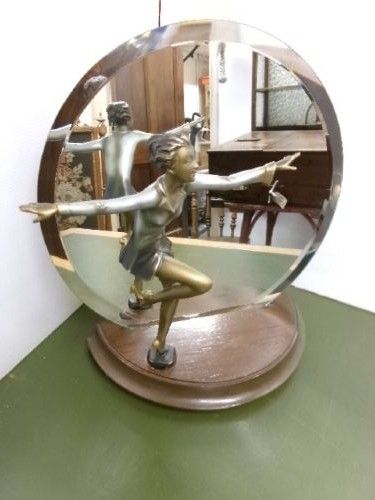
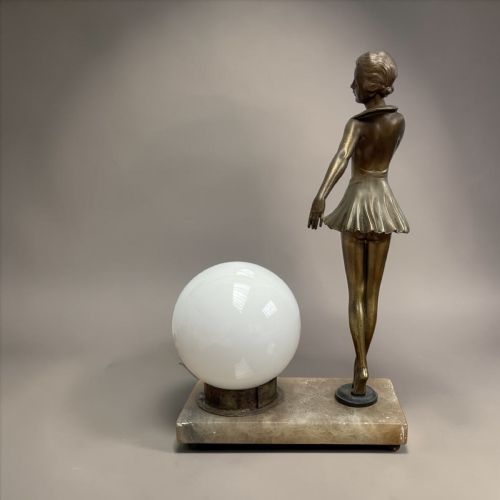
A french glass figurine encompasses sculptures, paperweights, car mascots, and lamps spanning the early twentieth century alongside eighteenth-century devotional works. Buyers seeking this category encounter moulded glass and opalescent surfaces originating from prominent French design movements.
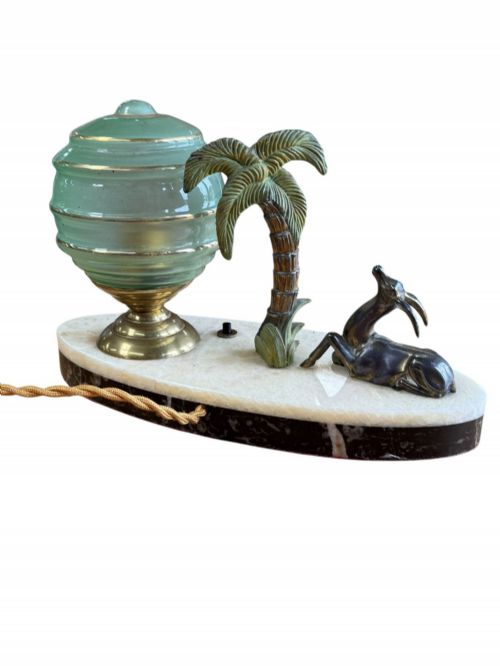
The twentieth-century examples dominate the selection, heavily favouring Art Deco and Art Nouveau aesthetics. These pieces often combine glass figures with marble bases or metal mounts.
Earlier representations appear in the form of Nevers glass figures housed within eighteenth-century shadow boxes. Such items connect buyers to traditional devotional craftsmanship predating the mass adoption of industrial moulding.
Materials and production methods
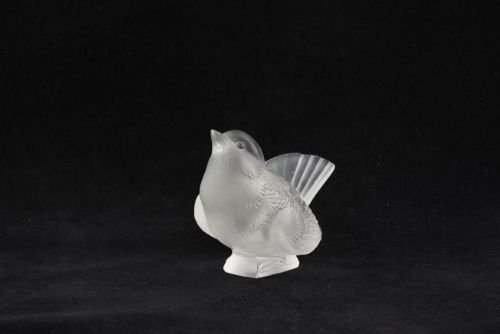
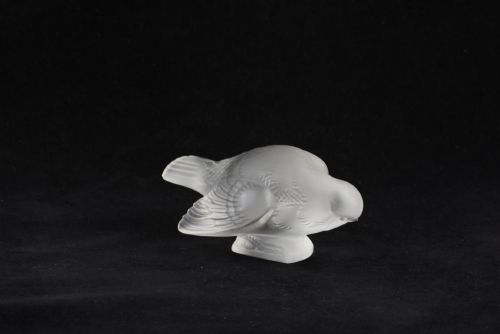
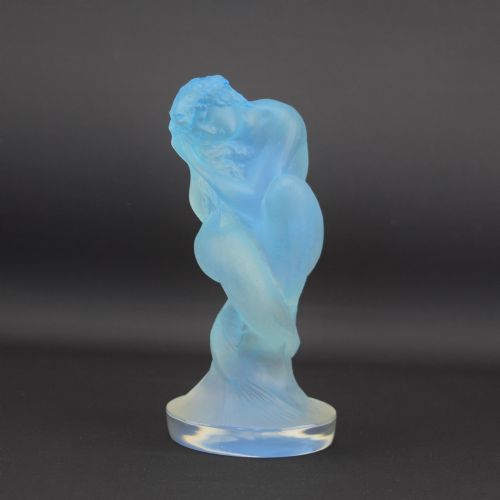
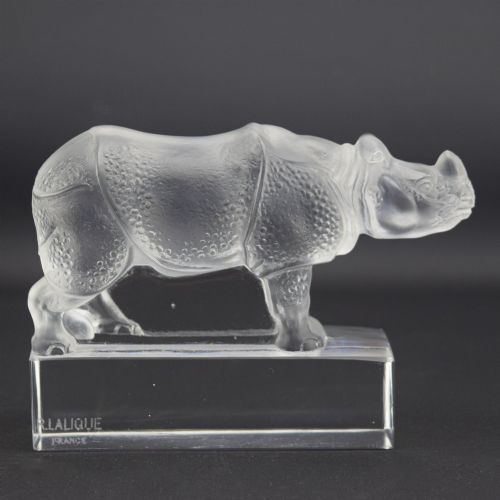
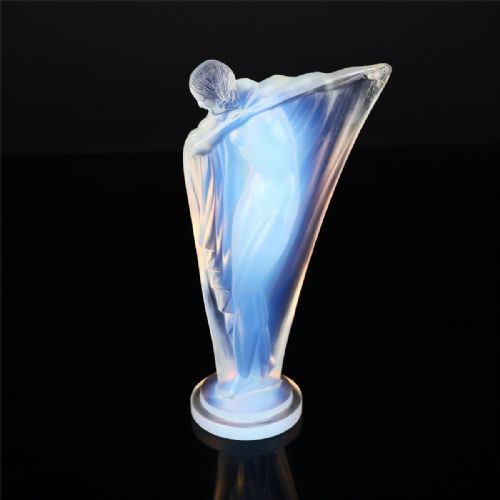
Makers utilised frosted, clear, and opalescent glass, often shaping the material through mould-pressing techniques. Many twentieth-century items incorporate supplementary components such as bronze, spelter, and marble to anchor the glass elements.
Surface treatments include blue staining or polished highlights applied to accent sculptural relief work. Eighteenth-century devotional figures rely on lampwork techniques to shape small glass components by hand.
Several small birds and wild boars populate the collection, doubling as mascot ornaments and desk paperweights.
Quality and execution
The integration of mixed media dictates the overall presence of the object, where fitted marble bases and patinated bronze or spelter mounts complement rather than overwhelm the glass.
Rene Lalique·Etling·Lucille Sevin·Marius Ernest Sabino·Baccarat
The French Glass Figurine Glossary
- Opalescent glass
- Glass that displays milky, iridescent blue or orange tones when lit from certain angles. This effect results from chemical additions during the cooling process.
- Car mascot
- A sculptural ornament mounted on the radiator cap of an automobile during the early twentieth century. Many glass mascots were later repurposed as desk paperweights or display objects.
- Spelter
- An alloy of zinc and lead often used as a cost-effective substitute for bronze in decorative bases and figures. It frequently receives a dark patina to mimic heavier metals.
- Shadow box
- A deep, glazed frame designed to protect and display three-dimensional objects. Eighteenth-century examples house delicate devotional glass scenes.
- Caryatid
- A sculpted female figure serving as an architectural support or decorative pillar. In glass and metal forms, this shape often functions as a lamp stem.
French Glass Figurine: Frequently Asked Questions
What are french glass figurine pieces used for?
These pieces function primarily as decorative objects, paperweights, or illuminated table lamps within interior spaces.
Historical examples also include automotive mascots and devotional shadow box displays.
How do I date a french glass figurine?
Dating relies on stylistic markers such as Art Deco geometric forms or Art Nouveau organic curves typical of the early twentieth century.
Signatures, moulded marks, and associated materials like marble bases help narrow the production era.
Are car mascots different from standard figurines?
Car mascots were originally manufactured with sturdy mountings to withstand exterior vehicle placement during the early twentieth century.
Many survive today removed from their original fittings to serve as desk paperweights.
What is opalescent glass?
Opalescent glass diffuses light through a milky semi-translucent body that shifts in colour tone depending on illumination.
This effect highlights the moulded contours of animal and human figures.