



Rene Lalique Bird
Rene lalique bird pieces capture the modernist spirit through exquisite frosted and opalescent glass forms.
Rene Lalique Bird
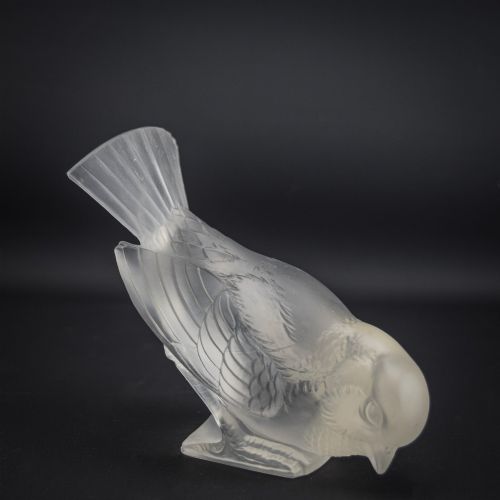
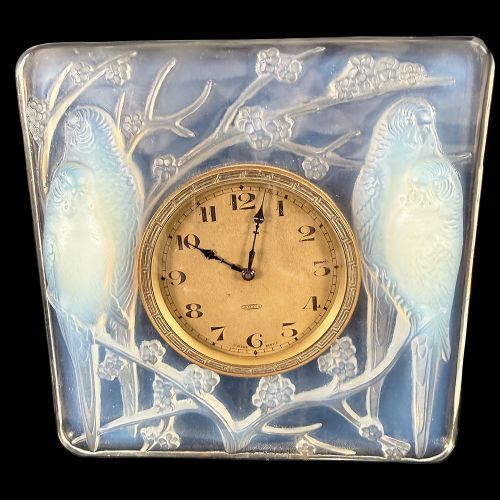
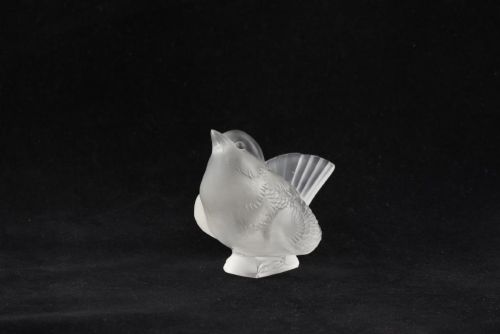
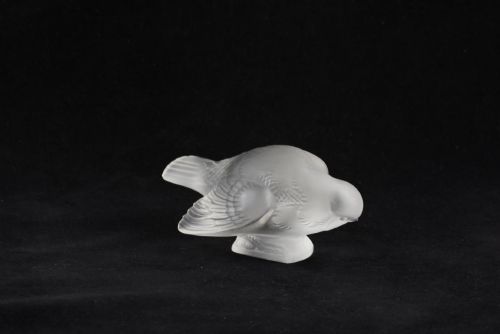
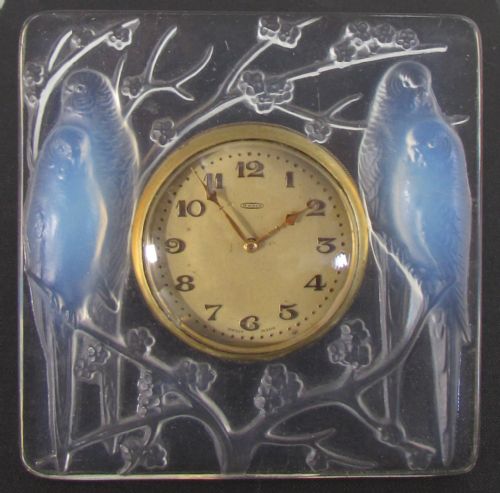
When you search for rene lalique bird, you encounter sculptural works primarily designed as paperweights, decorative sculptures, and table clocks. The selection centres heavily on iconic sparrow and bird motifs such as the Moineau and Inseperables designs.
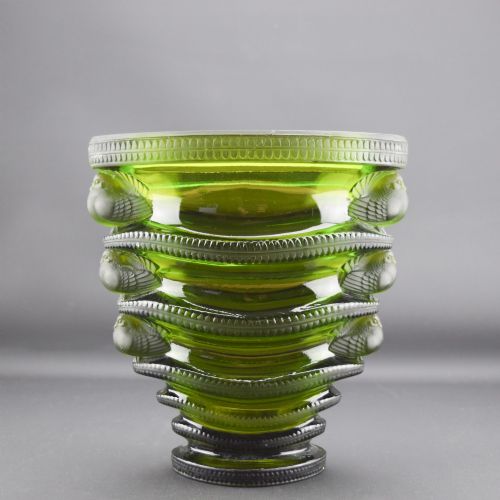
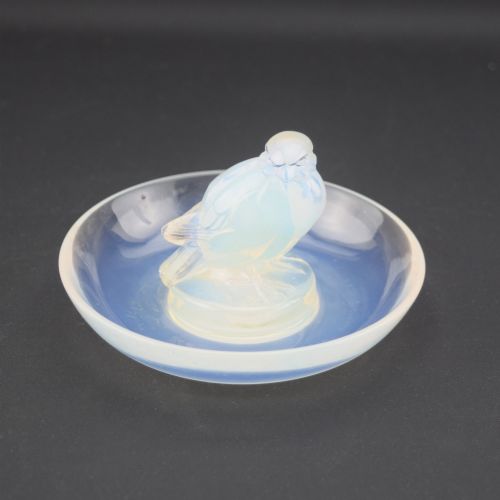
Most examples originate from the 1920s and 1930s, aligning closely with the Art Deco aesthetic of the interwar period. These objects frequently utilise clear glass enhanced with opalescence, blue staining, or olive green hues.
How they were made
The objects are produced using moulded and pressed glass techniques that allow for intricate relief details of feathers and avian forms. Master glassmakers incorporated treatments like frosted finishes and coloured staining to highlight the sculptural depth.
Some works combine glass elements with metal components, particularly in functional objects like clocks and ashtrays. Crystal and specialised opalescent glass formulations give the material its characteristic play of light.
Rene Lalique Bird Retail Price Guide 2026
Typical asking prices for rene lalique bird among the pieces listed under this phrase on Sellingantiques today, from the lower quarter to the upper quarter. They describe what is for sale here now, not the wider market.
Listings span the 1900, 1920, and 1930 periods, focusing entirely on Art Deco aesthetics and bird forms.
What varies in quality
The distinction between tiers rests upon the crispness of the glass moulding and the subtlety of the surface patination, such as blue staining or frosted contrast. Stronger examples exhibit superior depth in the opalescent effect and sharper definition in the feathered details.
Overall sculptural presence and the integration of specialised mounts or socles define the upper echelon of these works. Condition of the delicate glass edges and the preservation of original stains heavily influence the standing of any given piece.
Rene Lalique
The Rene Lalique Bird Glossary
- Opalescent Glass
- Glass that diffuses light to display a milky blue or orange appearance depending on the angle of illumination. This effect is a defining characteristic of many interwar decorative glass objects.
- Frosted Glass
- Glass treated to achieve a textured, matte surface rather than a transparent finish. It is utilised extensively to accentuate sculptural relief and contrast with polished areas.
- Pressed Glass
- Glass formed by pressing molten material into a metal mould using a plunger. This technique enabled the precise replication of complex avian and floral motifs.
- Art Deco
- The dominant design style of the 1920s and 1930s characterised by streamlined symmetry and stylised natural forms. Bird sculptures from this era embody the movement's sleek elegance.
Rene Lalique Bird: Frequently Asked Questions
What periods do these pieces date from?
The available selection primarily spans the 1920s and 1930s, capturing the height of Art Deco glass production. A smaller number of pieces reach back to the opening years of the twentieth century.
These dates align with the active years of the designer and the technical innovations in pressed and opalescent glass manufacture.
How were these bird sculptures used?
Many of the smaller avian figures function as paperweights or decorative desk accessories. Other iterations were integrated into functional objects such as clocks, ashtrays, and vases.
Owners typically displayed them on mantelpieces, desks, or specialised glass shelves where light could interact with the opalescent surfaces.
How do I care for antique glass?
Maintain these pieces by dusting gently with a soft, dry cloth and avoiding harsh chemical cleaners. Keep them away from direct, extreme heat sources and unstable surfaces that might cause tipping.
Handling should be done with clean hands to prevent skin oils from adhering to the frosted or stained glass areas.
What materials are commonly found?
The primary medium is glass, utilised in various forms including frosted, opalescent, pressed, and crystal variants. Occasional pieces incorporate metal elements for structural support or mechanical functions like clock movements.
Surface treatments frequently include blue or green staining to accentuate the moulded relief of the bird designs.