




Frosted Glass Bird
These frosted glass bird figures and lamps bring the tactile elegance of the Art Deco period straight to any tabletop.
Frosted Glass Bird
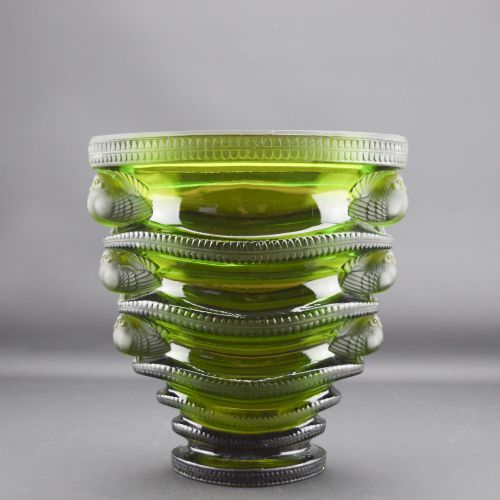
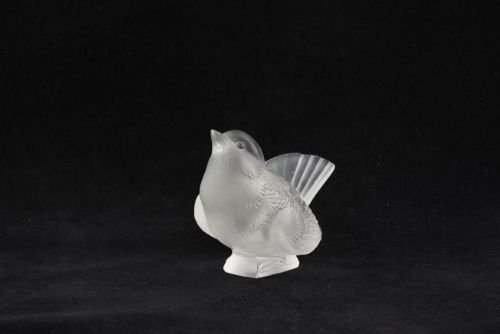
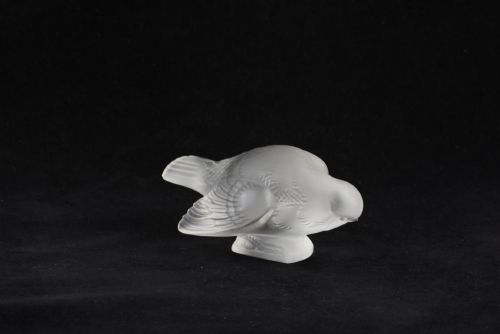
A frosted glass bird search brings up small decorative sculptures, paperweights, table lamps, and night lights from the early twentieth century. These pieces predominantly capture sparrows, seagulls, and other avian forms executed in moulded glass, crystal, or opalescent glass.
Buyers will most frequently encounter individual sparrow paperweights alongside marine and avian table lamps set into bases of marble, spelter, or brass. The aesthetic reflects French Art Deco design principles, prioritising stylised naturalism and textural contrast.
The objects serve primarily as decorative sculptures or functional lighting fixtures rather than utilitarian vessels. They represent a distinct intersection of wildlife depiction and modernist decorative arts from the 1920s and 1930s.
Materials and construction
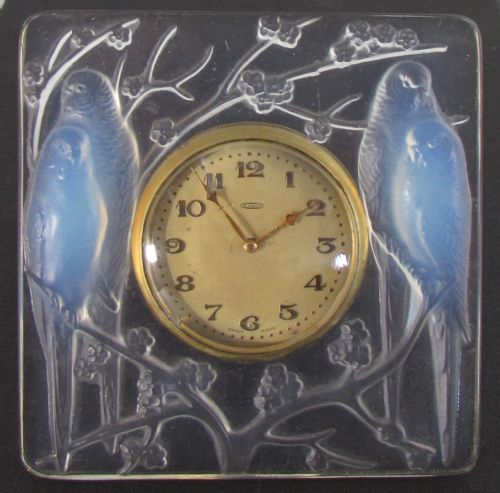
Maker workshops utilised mould-blown and pressed glass techniques to achieve the characteristic matte, translucent finish known as frosted glass. Opalescent glass variants were also employed to create shifting optical effects under direct illumination.
Sculptural figures were frequently mounted upon specialised socles or integrated into heavy bases composed of contrasting materials such as marble, spelter, brass, and granite. This combination anchored the delicate glass components securely within lighting apparatus and desk ornaments.
Sparrows and seagulls dominate this aviary, proving that even mid-century desk ornaments preferred coastal birds over exotic parrots.
Factors of quality and distinction
Quality rests upon the crispness of the moulding and the subtlety of the surface finish across the feathers and anatomical contours. Superior examples maintain sharp detail in the glasswork without loss of definition on the frosted surfaces.
The integration of the glass figure with its mount, whether a marble socle or a metal lamp base, dictates the overall coherence of the piece. Masterworks balance the luminous quality of the glass against the weight and finish of the supporting base.
Rene Lalique·JOBLING
The Frosted Glass Bird Glossary
- Frosted glass
- Glass treated to scatter light and create a matte, translucent appearance. This technique defines the surface texture of the avian sculptures.
- Opalescent glass
- Glass containing ingredients that cause it to milky-blue in transmitted light and warm amber in reflected light. It adds depth to sculptural bird forms.
- Spelter
- A zinc alloy frequently cast and patinated to imitate bronze in period lamp bases. It provides a sturdy mounting for glass figures.
- Socle
- A short plinth or pedestal supporting a sculpture or paperweight. Certain bird figures are mounted directly upon these stepped bases.
- Moulded glass
- Glass shaped by being pressed into a metal or wooden matrix while hot. This process allowed workshops to replicate detailed bird designs consistently.
Frosted Glass Bird: Frequently Asked Questions
What were frosted glass bird lamps used for?
These lighting pieces functioned as decorative night lights and table lamps in period interiors. They provided soft, diffused illumination through translucent glass wings and bodies.
Placed upon mantels or desks, they doubled as sculptural ornaments when unlit. Their design bridged the gap between utilitarian illumination and modernist sculpture.
How do I identify Art Deco bird sculptures?
Look for stylised avian forms that emphasise clean aerodynamic lines rather than hyper-realistic feather detail. The birds are typically captured in active postures such as perching, calling, or in flight.
The materials heavily feature moulded glass combined with heavy geometric bases made from marble, brass, or spelter.
Are these pieces dated to the 1930s?
The recorded evidence places these works firmly within the 1920s and 1930s, aligning with the height of the Art Deco movement in Europe. Specific production dates cluster around this interwar period.
Stylistic cues such as the use of opalescent glass and granite mounts corroborate this early twentieth-century timeline.
How should I display a glass paperweight bird?
Position the piece where light can pass through the frosted or opalescent surfaces to activate the texture. Direct window light or focused table lamp illumination enhances the translucent qualities of the glass.
Ensure the supporting surface is stable, as these figures are often heavy due to integrated socles or dense crystal composition.