



Clear Glass Figurine
These clear glass figurines are sculptural miniature works spanning Art Deco and Victorian styles, prized for their luminous frosted and moulded details.
Clear Glass Figurine
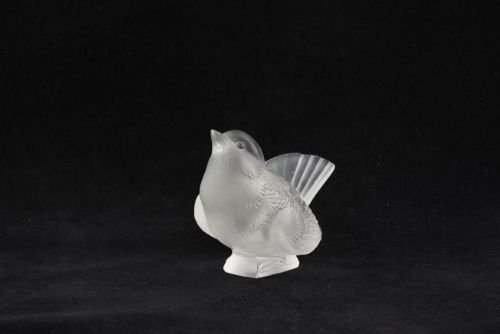
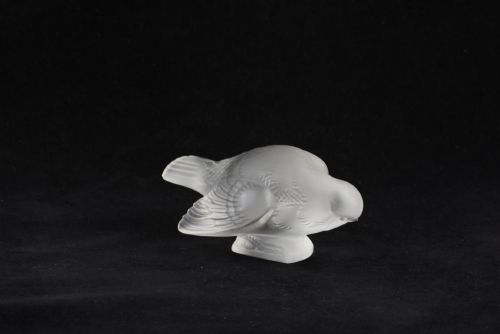
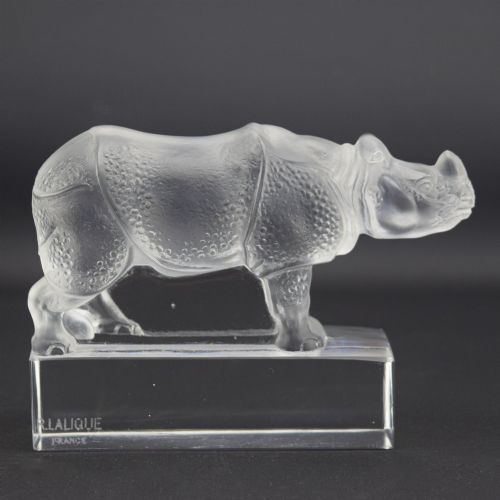
A clear glass figurine search brings up small decorative sculptures, paperweights, desk seals, and statuettes produced across the Edwardian period, 1910, 1920, and 1930. The pieces you encounter most frequently range from animal paperweights depicting birds and elephants to human statuettes and car mascots.
Many objects combine utility with sculpture, appearing as paperweights, shot glasses, and decanters with figurine tops. Origins span Austria and France, capturing the shift from Victorian ornamentation through Art Nouveau to the clean lines of Art Deco.
Materials and methods
Makers shaped these items using clear glass, crystal, and moulded glass, frequently employing frosted finishes to accentuate relief details. Stained glass elements and silver mounts also appear on specific decanters and paperweights.
Lamp work techniques created intricate figures like snakes, whilst press moulding allowed workshops to produce complex animal and human statuettes with textured surfaces.
Materials recorded on this page include crystal, frosted glass, moulded glass, pressed glass, and stained glass.
Assessing the work
Quality rests in the crispness of the moulding and the subtlety of the frosting, which defines the depth of feathers, fur, and human form. Superior pieces demonstrate absolute control over transparency and texture.
The integration of the figurine with its base, such as a socle or stopper, distinguishes masterworks from standard production items.
Rene Lalique·Bimini Austria·Marius Ernest Sabino
The Clear Glass Figurine Glossary
- Moulded glass
- Glass shaped by being pressed into a metal or wooden mould whilst hot. This technique allowed makers to achieve sharp sculptural relief.
- Frosted glass
- Glass treated to create a textured, matte surface finish. It is often used selectively on figurines to create contrast against clear sections.
- Lamp work
- A method where a torch or lamp melts glass rods to shape miniature sculptures by hand. It produces delicate, highly detailed forms.
- Socle
- A short plinth or pedestal supporting a figurine or paperweight. It elevates the main sculptural element.
- Car mascot
- A sculptural ornament mounted on the radiator cap of an automobile. Several iconic glass figurines originated in this functional role.
Clear Glass Figurine: Frequently Asked Questions
What is a clear glass figurine?
A clear glass figurine is a small decorative sculpture or functional item such as a paperweight, desk seal, or car mascot made from moulded, pressed, or lamp worked glass.
These pieces range from abstract human statuettes to naturalistic animal studies created during the early twentieth century.
How were these glass figures used?
Many served dual purposes on desks and dressing tables as paperweights, seals, or stoppers for decanters and shot glasses.
Others functioned as decorative statuettes or automobile ornaments designed to adorn vehicle radiator caps.
How do I date a glass figurine?
Dating relies on stylistic shifts from Edwardian and Art Nouveau floral motifs to the geometric precision of Art Deco.
Specific production years are often linked to documented designs from French and Austrian workshops active around 1910 to 1930.
What materials are used in these sculptures?
Pieces are primarily constructed from clear glass, crystal, and moulded glass, frequently featuring contrasting frosted surfaces.
Some examples incorporate additional elements like silver mounts or targeted colour staining.