



Antique Glass Mascot
An antique glass mascot is a sculptural ornament designed to mount on a motor vehicle radiator cap during the early twentieth century.
Antique Glass Mascot
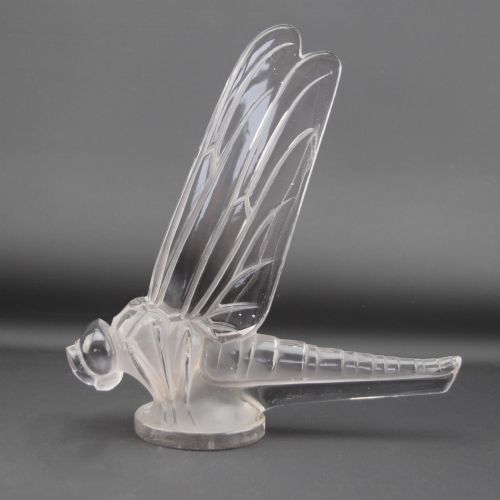
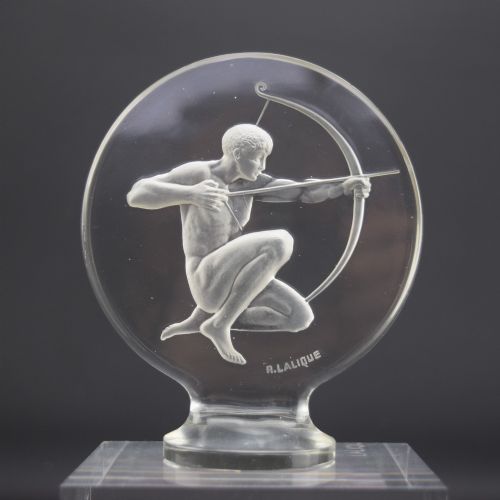
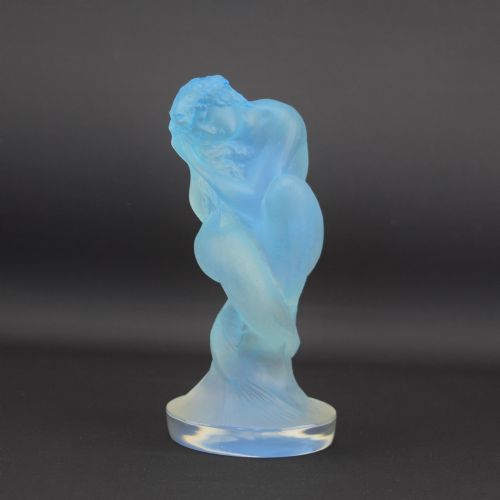
An antique glass mascot takes the form of a car mascot or paperweight, representing figures such as animals, birds, and mythological subjects. These sculptural objects originate primarily from the 1920s and 1930s during the height of the Art Deco period.
The version a buyer is most likely to encounter on this page is a car mascot produced in moulded or opalescent glass, created to adorn the bonnet of a motor car. Many pieces also function as decorative objects or paperweights.
The forms span naturalistic animal studies and dramatic figural subjects, each capturing movement and light through heavy glass moulding. Every piece reflects the motoring culture and decorative arts of the interwar years.
How they were made
Makers utilised pressed and moulded glass techniques, working molten material into heavy metal moulds to achieve high relief and sculptural depth. Clear glass and crystal were frequently finished with frosting or opalescent treatments to scatter light across the surface.
Certain pieces incorporate metal mounts or wooden bases designed to secure the heavy glass sculpture to a vehicle or display surface. The cooling and annealing process required precise temperature control to prevent stress fractures within the thick glass.
Early motorists drove through country lanes with giant glass birds and fish bolted to their radiator caps.
What varies in quality
The quality of the original polish and the subtlety of the surface finish dictate the refinement of the object. Heavier glass sections and complex sculptural geometries demand greater technical mastery during production.
Rene Lalique
The Antique Glass Mascot Glossary
- Car mascot
- A sculptural ornament mounted on the radiator cap of a motor car. These figures served as personal expressions of style for motorists during the 1920s and 1930s.
- Opalescent glass
- Glass that displays milky, bluish, or amber tones when lit from various angles. This optical effect enhances the contours of moulded animal and figural designs.
- Pressed glass
- Glass shaped by being pressed into a metal mould with a matching plunger. This technique allowed manufacturers to produce defined decorative objects efficiently.
- Frosted glass
- Glass treated to create a matte, non-reflective surface texture. This finish highlights sculptural details by softening harsh reflections.
- Art Deco
- The predominant design style of the 1920s and 1930s, characterised by streamlined forms and stylised depictions of nature and speed.
Antique Glass Mascot: Frequently Asked Questions
What is an antique glass mascot?
An antique glass mascot is a heavy glass sculpture originally produced to mount on the radiator cap of a car during the 1920s and 1930s.
These pieces capture subjects like birds, animals, and classical figures in moulded and opalescent glass.
How were glass car mascots used?
Drivers bolted these ornaments to the radiator caps of their motor vehicles as personalised decorative accents during the interwar period.
Many examples were later removed from cars and placed on wooden bases or used as desk paperweights.
How do I date an antique glass mascot?
Dating relies on the stylistic markers of the Art Deco period and the specific production years associated with individual sculptors from the 1920s and 1930s.
The materials, such as opalescent glass and moulded crystal, also point directly to this interwar manufacturing window.
How do I display an antique glass mascot?
Display these heavy glass objects on sturdy surfaces where natural light can pass through the clear, frosted, or opalescent material.
Placing them near a light source enhances the depth of the moulded details and the subtle colour shifts in the glass.