




Antique Glass Figurine
An antique glass figurine brings tactile depth to a room, capturing light in ways modern glass cannot replicate.
Antique Glass Figurine
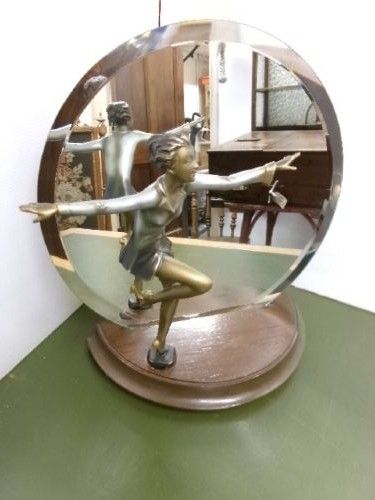
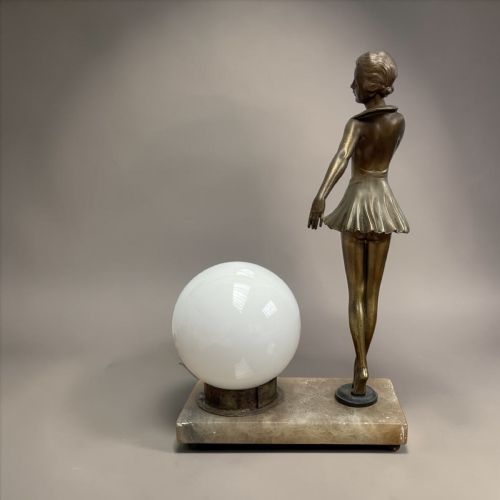
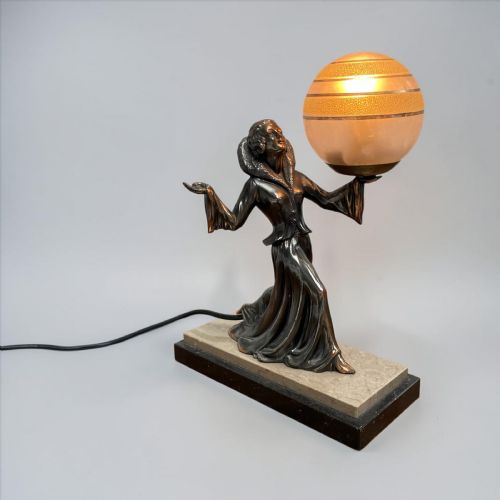
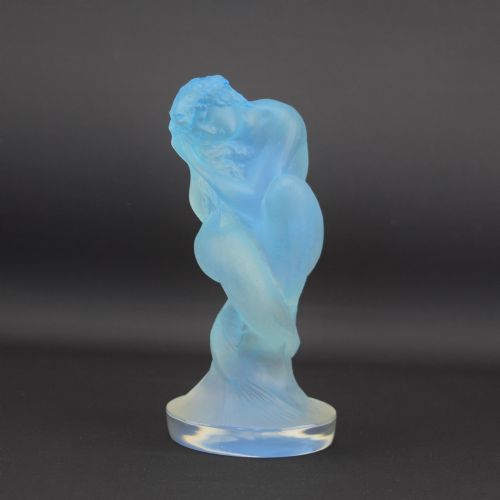
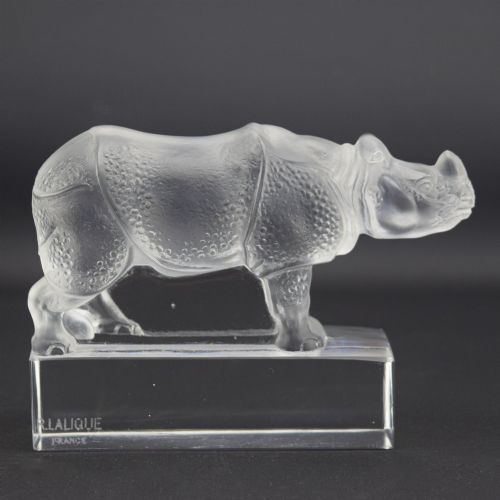
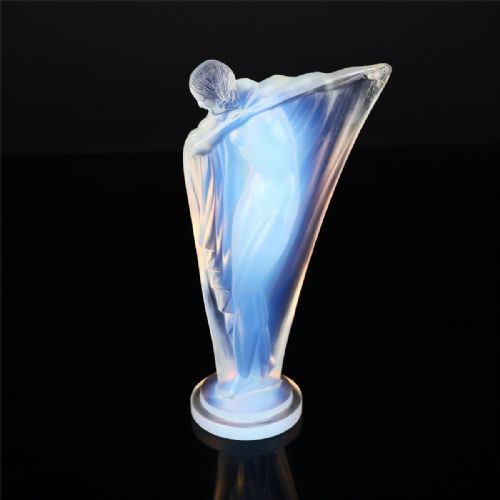
An antique glass figurine spans delicate paperweights, car mascots, table lamps, and sculptural table pieces. The selection draws heavily from the early twentieth century, particularly the Art Deco era, alongside nineteenth-century works and eighteenth-century devotional pieces. These objects range from naturalistic animal studies to stylised human forms.
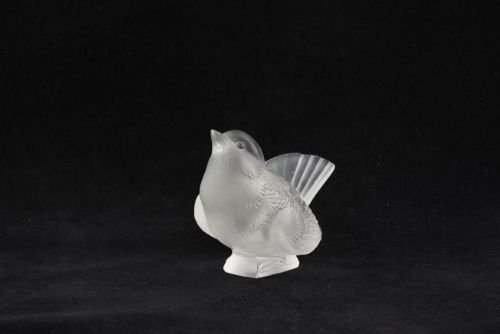
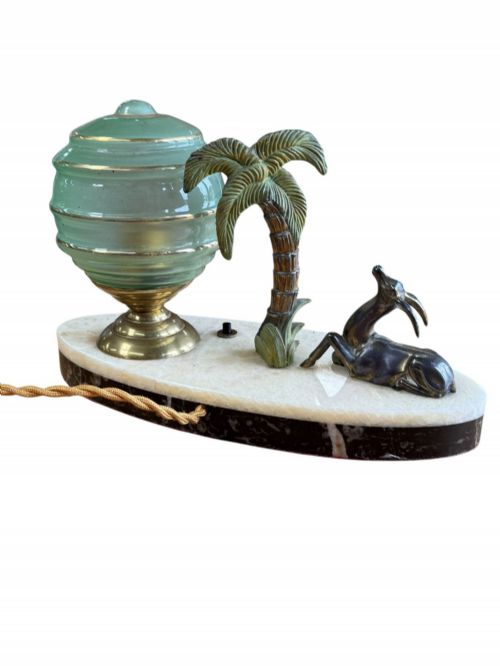
Buyers encounter moulded opalescent creations, frosted glass depictions of birds and elephants, and traditional Peking glass deities. Many pieces double as functional objects, including perfume bottle stoppers, decanter tops, and lamp bases integrated with marble or bronze.
How they were made
Makers utilised pressing, moulding, and carving techniques to shape the material, often combining glass with metal mounts, marble bases, or wooden plinths. Opalescent and frosted finishes were achieved through specific chemical additions and acid treatment during cooling.
Details were sometimes enhanced with blue staining or enamel work to accentuate the contours of birds, human figures, and mythological subjects.
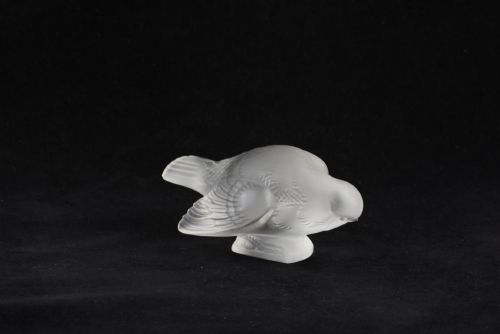
Several glass birds appear ready to fly away, including multiple depictions of the sparrow, known locally as the moqueur.
What varies in quality
The integration of the glass with auxiliary materials, such as bronze, spelter, or marble bases, also dictates the overall standard of the piece.
Rene Lalique·Etling·Lucille Sevin·Karl Ens·Anton Buschelberger
The Antique Glass Figurine Glossary
- Opalescent glass
- Glass that milky-white appearance with internal fire or blue and orange reflections when lit from certain angles. This effect is achieved by adding specific opacifying agents to the batch.
- Car mascot
- An ornamental figurine mounted on the radiator cap of a motor car during the early twentieth century. Many were produced in high-quality moulded glass by leading designers.
- Frosted glass
- Glass rendered opaque and non-reflective through acid etching or sandblasting. The technique softens the silhouette of a figurine.
- Nevers glass
- Lampworked glass figures created in the French town of Nevers, often associated with small devotional shadow boxes. These delicate works utilise coloured vitreous threads.
- Socle
- A short plinth or pedestal supporting a figurine or paperweight. It elevates the glass sculpture above the surface of a desk or table.
Antique Glass Figurine: Frequently Asked Questions
What is an antique glass figurine?
An antique glass figurine is a small sculptural object shaped from glass, encompassing paperweights, car mascots, and decorative ornaments. These pieces date across various periods including the nineteenth and early twentieth centuries.
They reflect the artistic movements of their time, such as Art Deco and Art Nouveau, utilising clear, frosted, or opalescent glass.
How were glass figurines used historically?
Many figures served dual purposes as desk accessories, paperweights, or lighting components like night lights and lamp bases. Others functioned as decorative ornaments displayed within cabinets or on mantelpieces.
Some specialised glass sculptures were mounted on motor car radiators as mascots during the early motoring era.
How do I clean an antique glass figurine?
Dust the surface gently with a soft, dry brush to prevent accumulation in recessed carved areas. Avoid harsh chemical cleaners, especially on pieces with frosted or stained finishes.
If washing is necessary, use lukewarm water with a mild soap and dry immediately with a lint-free cloth.
How can I tell the period of a glass figurine?
Dating relies on stylistic markers such as the geometric lines of Art Deco or the organic curves of Art Nouveau. Maker marks, signatures moulded into the glass, and the specific composition of the material also provide chronological clues.
The inclusion of base materials like marble, spelter, or brass often helps narrow the decade of production.