



Moulded Glass Mascot
A moulded glass mascot is a striking Art Deco motoring ornament that catches the light on a bonnet.
Moulded Glass Mascot
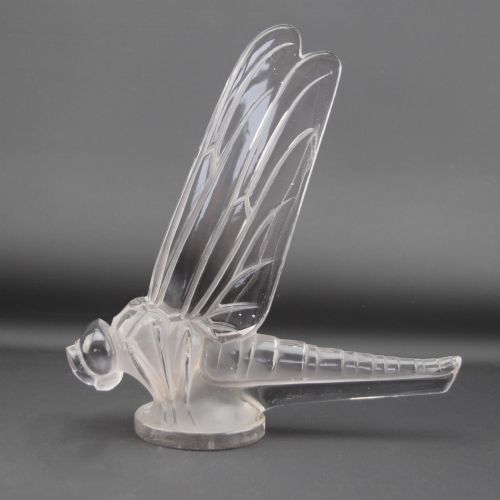
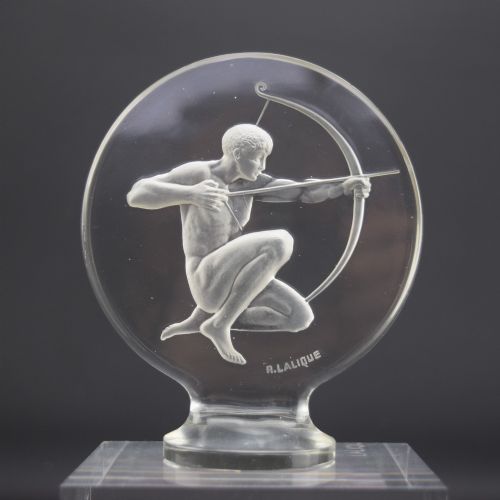
A moulded glass mascot is an Art Deco car ornament designed to sit atop a radiator cap. These pieces take the form of car mascots and paperweights, translating swift creatures and classical figures into solid glass.
How moulded glass mascots were made
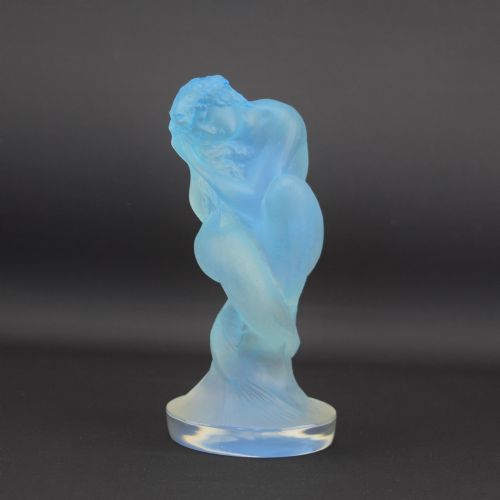
These items utilise moulded glass, frosted glass, clear glass, pressed glass, opalescent glass, and moulded crystal, sometimes mounted with metal and wood. Molten material is forced into a metal mould to capture fine anatomical details and bold contours.
Makers often applied frosting or opalescence to accentuate the sculptural depth of the design. The resulting heavy glass object is then polished and finished to highlight the texture of feathers, fur, and muscle.
Wild boars, dragonflies, and sparrows stand ready to brave the open road from the top of a radiator.
What varies in quality
The choice of material treatment also shifts the visual impact. The interplay of light through clear portions against frosted or opalescent areas dictates the depth of the finished object.
Rene Lalique
The Moulded Glass Mascot Glossary
- Opalescent glass
- Glass that diffuses light to show milky or bluish highlights. This treatment shifts tone depending on the angle of illumination.
- Frosted glass
- Glass with a textured, matte surface created by acid etching or sandblasting. It softens the appearance and highlights contours.
- Car mascot
- An ornamental figure mounted on a radiator cap during the motoring era. These objects combined practical function with personal expression.
- Pressed glass
- Glass formed by pressing molten material into a metal mould using a plunger. This method allows for repeatable patterns and sharp sculptural forms.
Moulded Glass Mascot: Frequently Asked Questions
What is a moulded glass mascot?
A moulded glass mascot is a heavy decorative ornament created during the early twentieth century for motor cars. These items were mounted on radiator caps to personalise vehicles.
They frequently depict animals, birds, and mythological figures rendered in clear, frosted, or opalescent glass.
How were these mascots used?
Drivers bolted them directly to the radiator caps of luxury automobiles during the Art Deco period. They served as distinct personal statements for motorists on the road.
Many examples also double as desk paperweights when removed from vehicle mounts.
Which periods do they come from?
The pieces available here date primarily from the 1920 and 1930 periods. This era coincided with the height of the Art Deco movement in design.
Production during these decades relied on specialised moulding techniques to achieve distinct optical effects.
What materials are used?
They consist chiefly of moulded, frosted, clear, pressed, or opalescent glass, and moulded crystal. Some configurations incorporate auxiliary components of metal and wood.
The specific glass treatment alters how light passes through the sculptural form.