




1930s Lalique Glass
These pieces of 1930s lalique glass capture the finest Art Deco design through tactile opalescence and striking moulded forms.
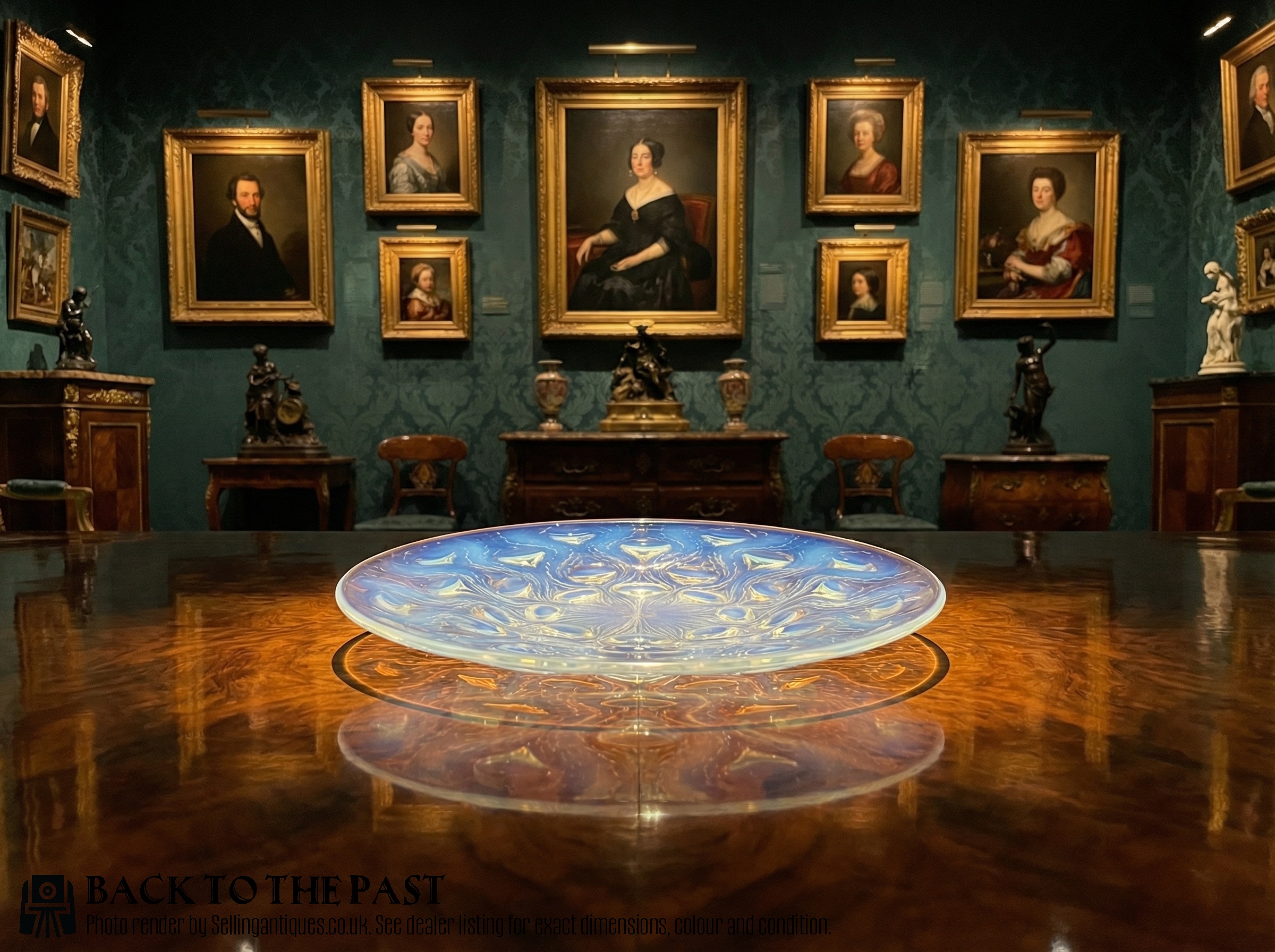
1930s Lalique Glass
When you search for 1930s lalique glass, you encounter works produced during a definitive period of Art Deco design. The selection centres on decorative vessels, tableware, and lighting.
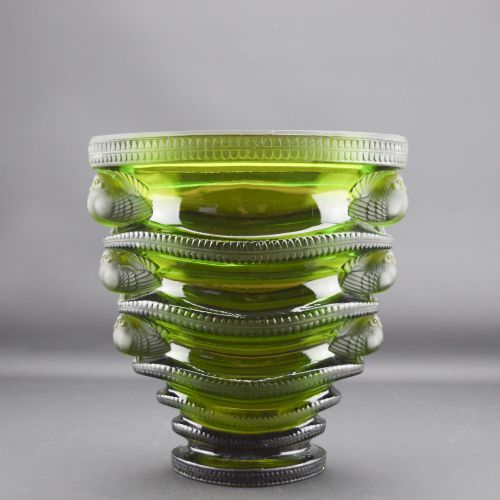
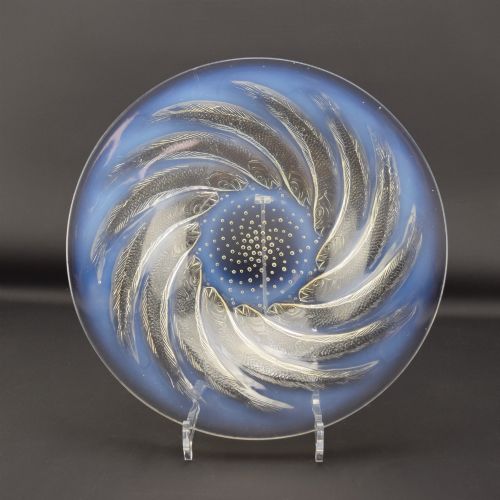
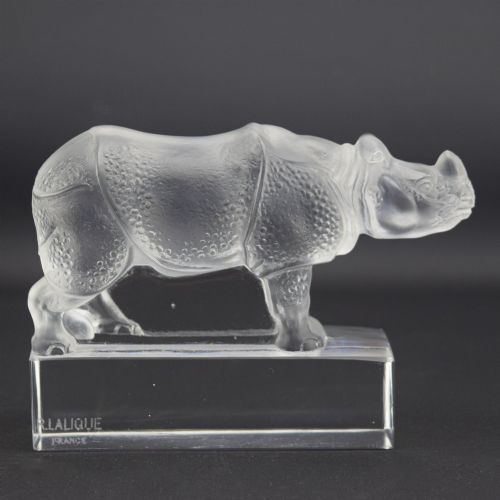
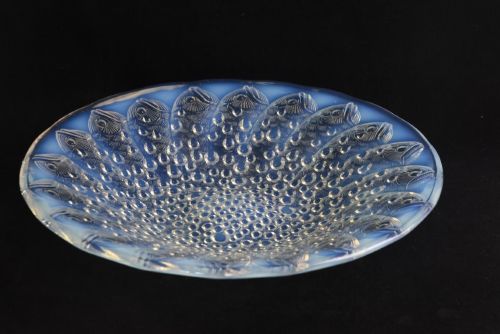
Vases, bowls, and paperweights dominate the offerings. Pieces such as the Saint-Marc and Poissons designs represent the characteristic output from this era.
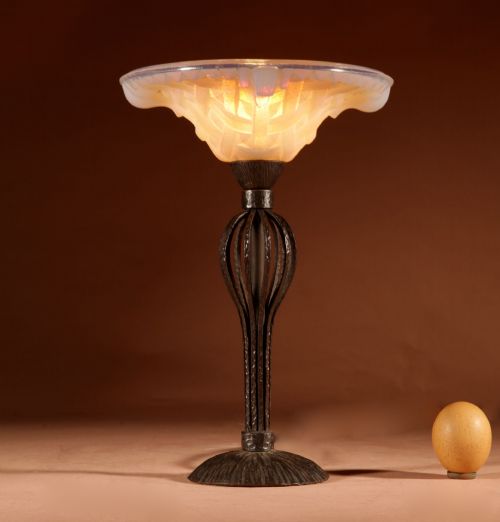
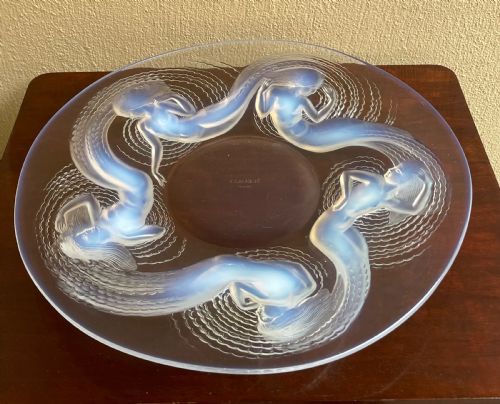
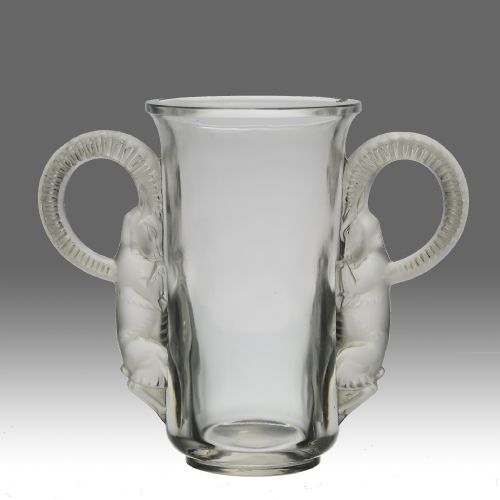
Objects range from opalescent and frosted glass bowls to wrought iron mounted table lamps. Many items display moulded botanical and animal motifs.
Materials and construction
Moulded glass serves as the primary medium, shaped into complex three-dimensional forms. Artisans utilised clear glass, frosted glass, and opalescent glass to catch and scatter light.
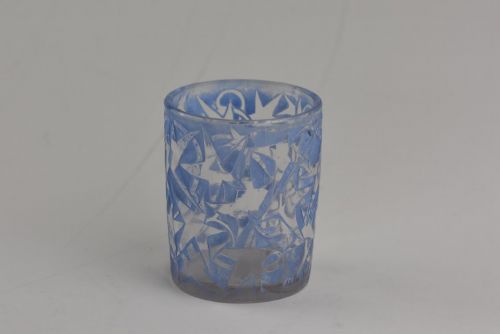
Selected details receive enamel or blue staining to accentuate the deep relief of the motifs. Certain forms incorporate wrought iron mounts to support the heavy glass elements.
1930s Lalique Glass Retail Price Guide 2026
Typical asking prices for 1930s lalique glass among the pieces listed under this phrase on Sellingantiques today, from the lower quarter to the upper quarter. They describe what is for sale here now, not the wider market.
Listings feature items exclusively from the 1920 and 1930 periods, executed in opalescent glass, frosted glass, and wrought iron.
Factors of quality
The strength of the opalescent effect and the crispness of the moulded relief define the visual success of a piece. Finer examples display a dynamic interplay of light within the glass body.
The depth of the coloured staining and the integration of secondary materials such as wrought iron influence the character of the object. Sharpness in the botanical or animal detailing signals superior execution.
Rene Lalique·Lacroix
The 1930s Lalique Glass Glossary
- Opalescent Glass
- Glass that milky or pearlescent quality which catches blue tones in direct light and warm tones against the dark. It gives pieces like the Roscoff bowl their signature depth.
- Frosted Glass
- Glass treated to achieve a matte, textured surface rather than transparency. This finish diffuses light softly across animal and floral motifs.
- Coupe Ouverte
- French term for an open bowl or shallow vessel. These forms often feature bold relief patterns radiating from the centre.
- Moulded Glass
- Glass shaped by being pressed into a prepared form while molten. This technique allowed makers to produce intricate, repeatable decorative reliefs.
1930s Lalique Glass: Frequently Asked Questions
What is 1930s lalique glass?
These items are decorative glass objects created during the Art Deco era, featuring distinctive moulding and opalescent finishes.
They encompass practical and ornamental pieces, including vases, bowls, plates, and paperweights.
How do I display these glass bowls?
Shallow bowls and plates benefit from placement where natural light can strike the opalescent surface.
Positioning them on open surfaces allows the interplay of frosted and clear glass to stand out.
What motifs appear on these pieces?
Designs frequently incorporate flora and fauna, including fish, birds, flowers, and botanical leaves.
These subjects are rendered in deep relief to catch the light across the frosted and opalescent surfaces.
How do I care for my glass?
Gentle cleaning with mild soap and warm water maintains the finish of the glass.
Avoid harsh abrasives that might damage the frosted or stained surfaces.