

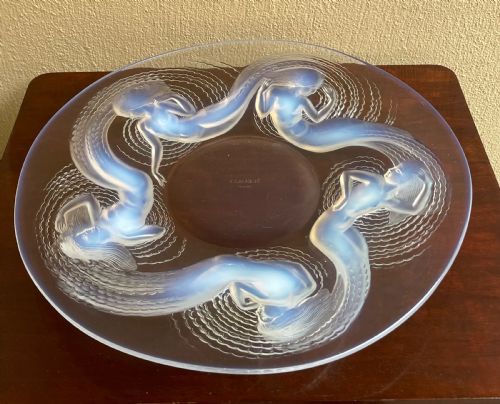


Opalescent Glass Plate
An opalescent glass plate catches the light with milky blue and amber tones, offering collectors a striking decorative centrepiece from the nineteenth and twentieth centuries.
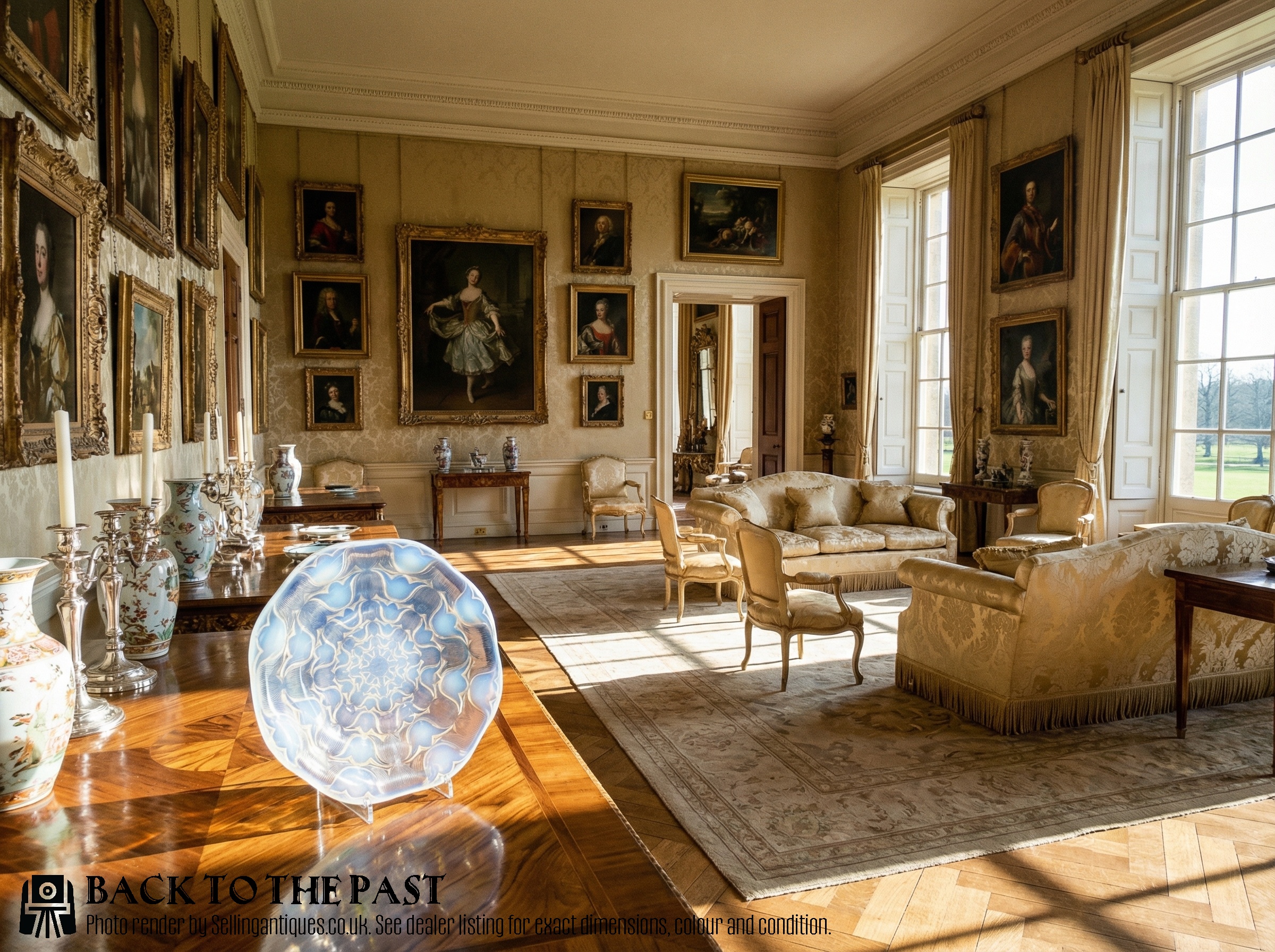
Opalescent Glass Plate
The dominant forms in this inventory include shallow bowls, chargers, coupe plates, and dessert dishes. Alongside flat plates, you will find cake stands, epergnes, and sweetmeat dishes sharing the same milky, light-catching qualities.
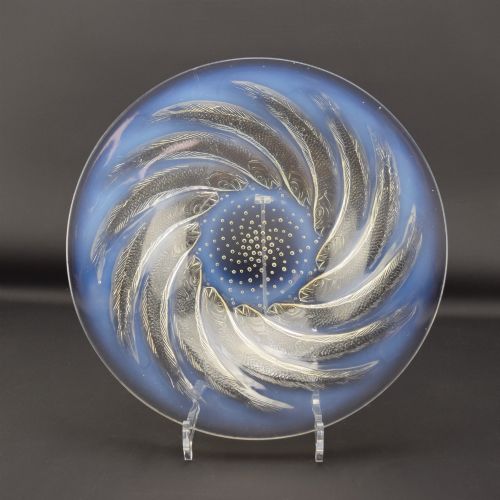
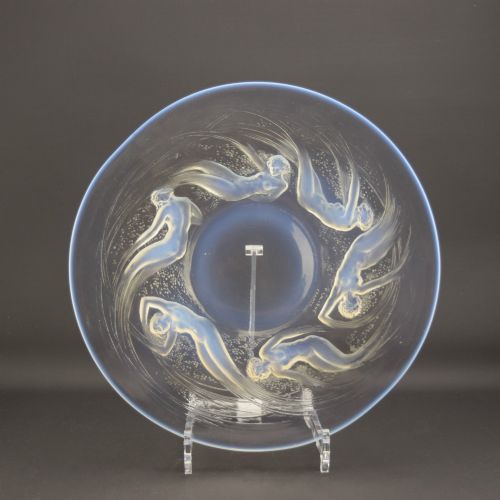
Victorian and Edwardian pieces often display moulded patterns with blue pearline or vaseline tones, while Art Deco examples lean heavily towards French pressed designs featuring fish, floral motifs, and stylised nymphs.
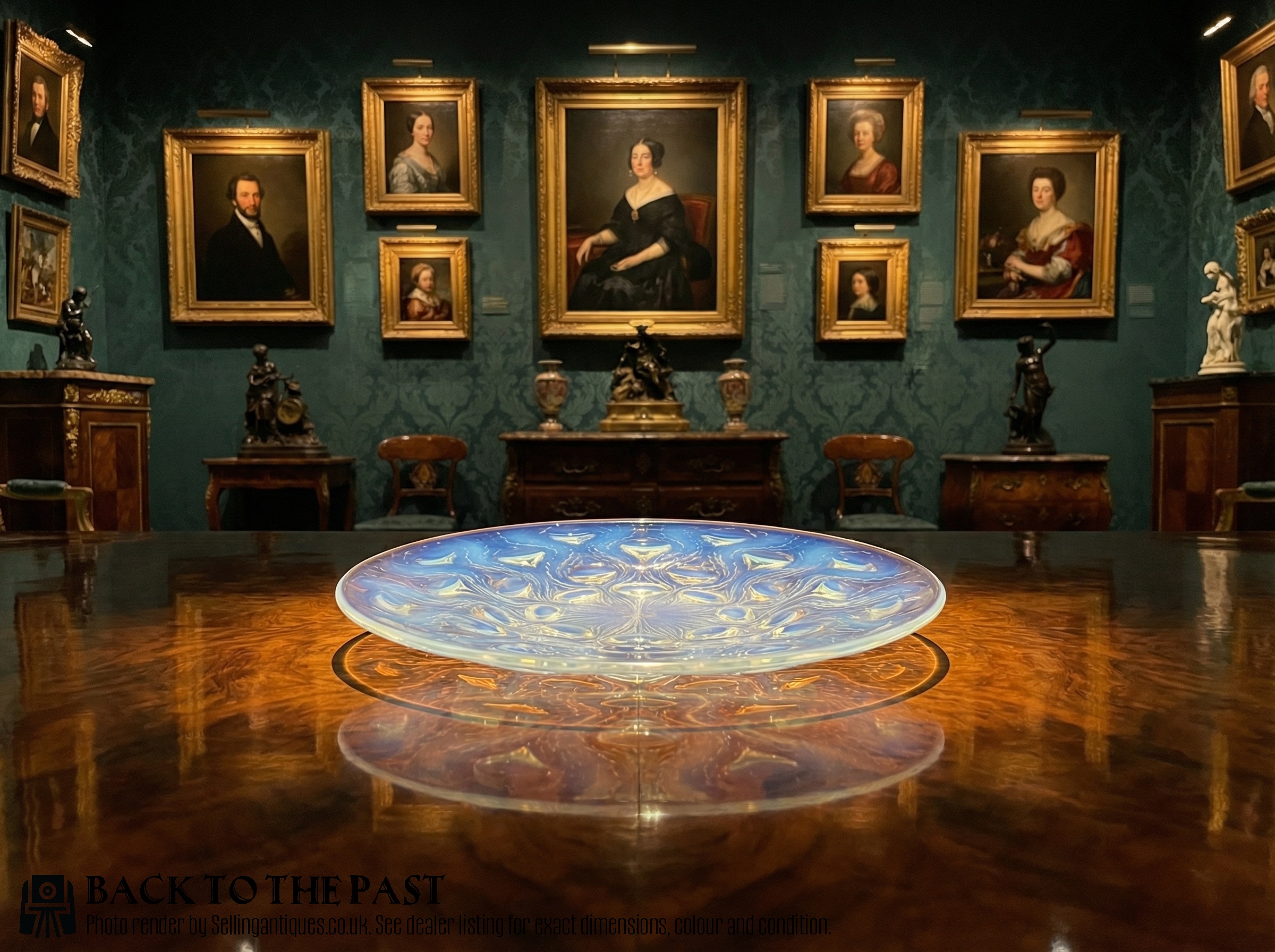
Materials and production techniques
Makers utilised pressed glass, frosted glass, and opaque glass to achieve the signature milk-and-fire effect characteristic of these items. Bone ash or other chemical agents were added to the molten batch, creating a semi-translucent material that shifts in colour depending on the angle of the light.
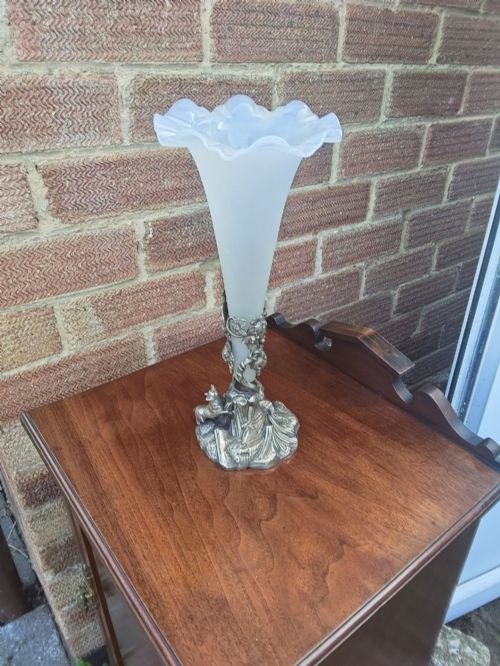
Pressed glass techniques allowed workshops to produce sharp relief patterns, seen clearly in the intricate fish scales and botanical motifs of the period. Metal mounts in silver plate and white metal occasionally frame the glass, as observed in epergnes and centrepieces from the late nineteenth century.
Opalescent Glass Plate Retail Price Guide 2026
Typical asking prices for opalescent glass plate among the pieces listed under this phrase on Sellingantiques today, from the lower quarter to the upper quarter. They describe what is for sale here now, not the wider market.
Assessing quality in moulded glass
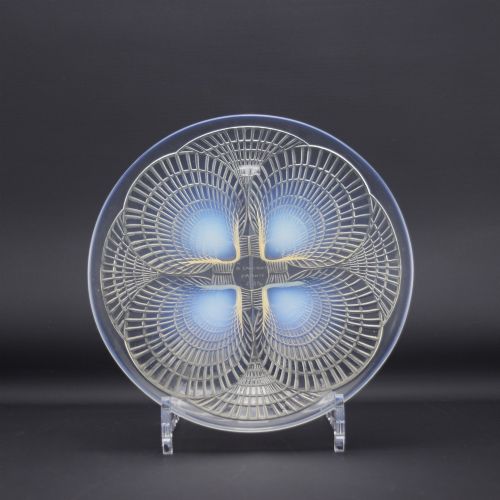
The crispness of the moulding dictates visual impact, where sharper relief lines separate superior artistic output from softer secondary production. Strong contrast between the milky opalescent highlights and the clearer body glass indicates precise temperature control during the cooling process.
Signatures and moulded marks provide definitive attribution for pieces originating from major French and English glassworks. The depth of the pearlescent sheen and the absence of distracting surface flaws further distinguish the top tier of items.
René Lalique·Davidson·James Dixon·Sabino·Marienthal
The Opalescent Glass Plate Glossary
- Opalescent Glass
- Glass that diffuses light so that it appears milky white with blue, amber, or pink highlights at the edges and raised portions. This effect relies on chemical precipitation within the cooling melt.
- Pressed Glass
- Glass shaped by being pressed into a metal mould using a plunger. This technique revolutionised production in the nineteenth century, allowing complex patterns to be replicated quickly.
- Pearline
- A trade name used by Davidson for their pressed opalescent glass, patented in the late nineteenth century. It frequently appears in shades of blue and amber on Victorian tablewares.
- Coupe
- A shallow, saucer-like dish or plate without a distinct flat base and rim. These forms showcase the central moulded design effectively.
- Epergne
- A large table centrepiece featuring a central bowl or dish surrounded by multiple smaller vases or hanging baskets. They often combine glass vessels with silver plate or white metal frames.
Opalescent Glass Plate: Frequently Asked Questions
How do I care for antique opalescent glass?
Wash these items by hand in warm, soapy water using a soft cloth, avoiding harsh abrasive scourers that might damage the surface. Dry them thoroughly with a lint-free towel to prevent water spots from clouding the delicate finish.
Keep them away from direct, intense sunlight for prolonged periods and sudden extreme temperature changes. Proper placement on stable surfaces protects the rims and moulded details from accidental chips.
What is the difference between opalescent and vaseline glass?
Opalescent glass contains agents that create a milky, semi-translucent appearance with fire-like highlights at the edges. Vaseline glass specifically contains uranium dioxide, giving it a distinctive yellow-green colour that glows brightly under ultraviolet light.
While some Victorian pieces combine both traits, they remain distinct categories based on their chemical composition and colour characteristics.
How can I tell a Victorian piece from an Art Deco one?
Victorian and Edwardian items often feature organic patterns like leaves and strawberries, sometimes paired with blue pearline colours or silver plated mounts. They reflect the ornate, florid tastes of the late nineteenth century.
Art Deco examples, particularly those from the 1920s and 1930s, favour stylised motifs such as fish, dancers, and geometric symmetry. These pieces generally display cleaner lines and a heavier, more sculptural presence.
Were these plates used for dining or display?
Many items functioned as decorative chargers, salvers, or sweetmeat dishes intended to adorn dining tables and sideboards during formal meals. Their striking optical effects made them conversation pieces for hosting guests.
Smaller plates and coupe forms saw actual use for serving fruit, cakes, or desserts, while larger epergnes served purely as centrepieces.