




Vintage Glass Platter
These vintage glass platter selections bring tangible utility and distinct period design to a table, uniting decorative appeal with practical service.
Vintage Glass Platter
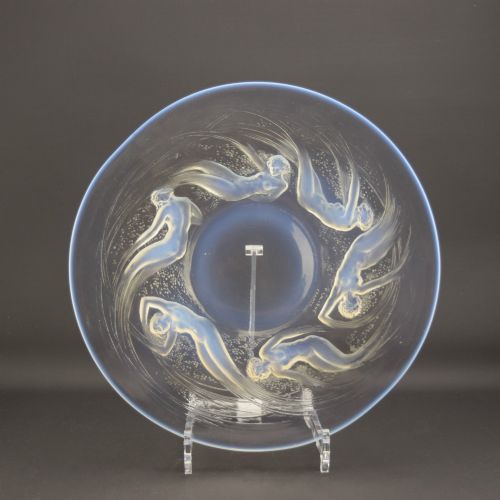
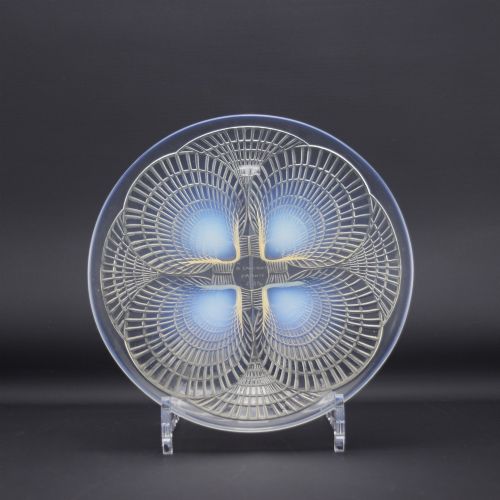
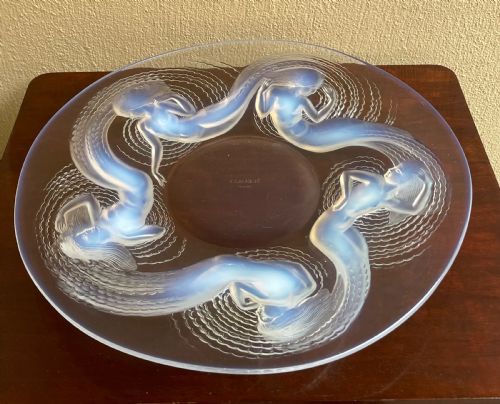
A vintage glass platter functions primarily as a decorative plate, serving tray, or charger, designed to present food or elevate an interior space. When exploring the vintage glass platter selection, expect to encounter forms spanning from the eighteenth century through the Edwardian era and into the geometric vigour of Art Deco design.
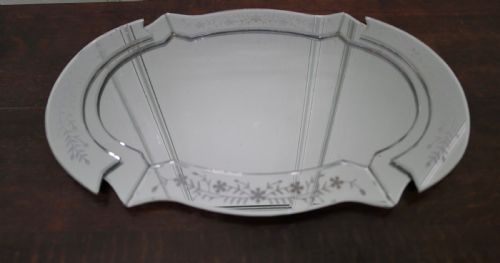
The objects take many shapes, including shallow bowls, mirrored trays, salvers, and tazzas. Materials range from simple moulded glass to lead crystal, opalescent glass, and mirror plates framed in chrome or wood.
Origins stretch across England, France, Italy, and wider Europe, capturing local manufacturing traditions and shifting domestic habits across centuries. Each piece reflects the functional demands and aesthetic preferences of its specific decade.
Materials and Techniques
Makers utilised glass, opalescent glass, and lead crystal, frequently combining them with mirror, chrome, or wood. Techniques involved hand-cutting, moulding, and etching the material to create intricate surface patterns and light reflections.
Specialised treatments such as sepia staining and millefiori work added distinct visual depth to plates and bowls. Metal mounts and frames in silver plate, chrome, or Macassar wood provided structural support and contrasting textures.
Current listings feature pieces spanning the eighteenth century, Edwardian period, and the nineteen-twenties and nineteen-thirties.
Assessing Quality and Execution
Quality rests in the precision of the cut or moulded relief and the clarity of the material itself. Superior examples demonstrate crisp definition in figural motifs and botanical details, whereas simpler utilitarian items rely on basic pressed patterns.
The sophistication of secondary materials, such as heavy silver plating or figured wood surrounds, elevates an object from a standard utility item to a work of distinct artistic ambition.
Rene Lalique·Sabino·Verlys
The Vintage Glass Platter Glossary
- Opalescent Glass
- Glass that diffuses light to display milky, iridescent, or bluish-white tones, commonly utilised by twentieth-century makers to highlight moulded reliefs.
- Charger
- A large decorative plate or platter traditionally used as a base underneath other courses or displayed independently on a surface.
- Tazza
- An elevated shallow bowl or plate supported on a central foot or stem, frequently encountered in eighteenth-century English glass.
- Millefiori
- A glasswork technique involving multiple coloured rods fused together to produce intricate floral patterns within the material.
- Salver
- A flat serving tray, usually round, utilised for presenting drinks or small dishes in domestic settings.
Vintage Glass Platter: Frequently Asked Questions
How do I clean a vintage glass platter?
Wash the item gently by hand using lukewarm water and mild soap, avoiding abrasive sponges that might scratch the surface.
Dry the glass thoroughly with a soft cloth to prevent water spots and protect any accompanying metal or mirrored frames.
Can I use these platters for serving food?
Many of these pieces served practical dining roles originally, making them suitable for presenting dry foods or fruits.
Consider the presence of delicate finishes, such as sepia staining or mirror backings, which benefit from gentle handling rather than heavy culinary use.
How do I identify an Art Deco glass platter?
Look for stylised geometric motifs, symmetrical moulded figures, or streamlined forms characteristic of the nineteen-twenties and nineteen-thirties.
Materials often include opalescent glass, heavy lead crystal, or mirrored surfaces paired with chrome and dark wood.
What is the difference between a tray and a charger?
A tray generally includes handles or a raised rim designed for carrying drinks and food items across a room.
A charger functions primarily as a broad decorative plate intended for display on a table or sideboard rather than transport.