





French Art Deco
French art deco brings together geometric precision and rich materials, offering sculptural lighting, club chairs and occasional furniture that anchor an interior with period confidence.
French Art Deco
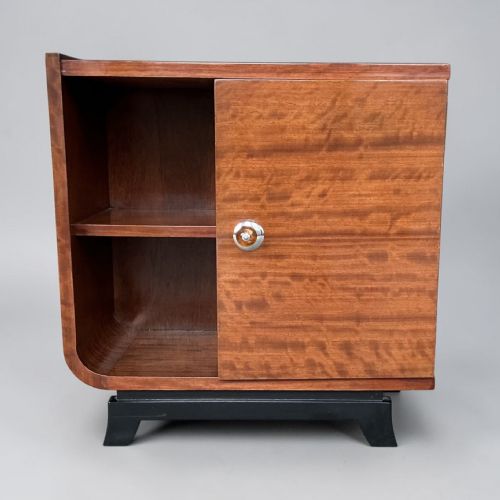
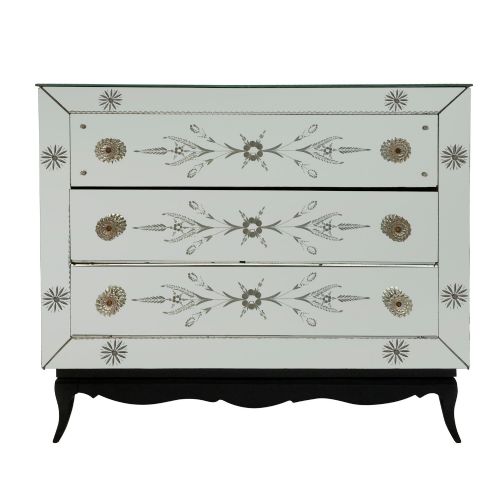
When exploring french art deco, collectors encounter a diverse range of objects spanning functional furniture, decorative lighting and sculptural bronzes. Side cabinets, dining tables and bedside units demonstrate the architectural lines characteristic of the period.
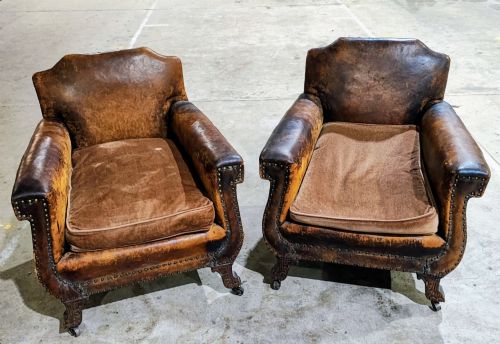
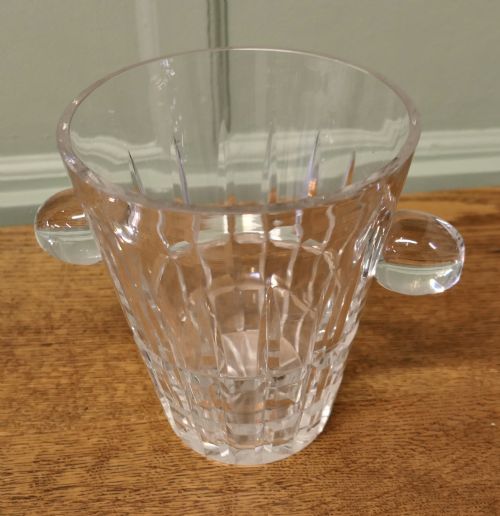
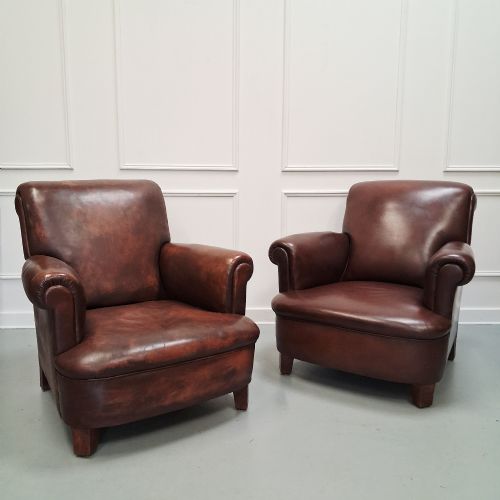
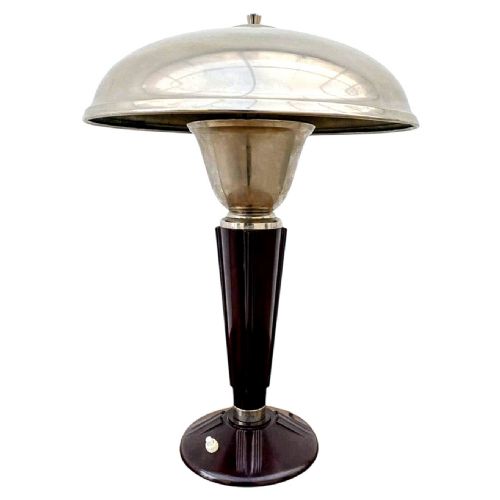
Seating forms vary from leather club armchairs to upholstered tub chairs and dining suites executed in walnut, oak or fruitwood. Smaller accessories include glass vases, desk lamps and bookends cast in bronze, spelter or silver plate.
Materials and construction
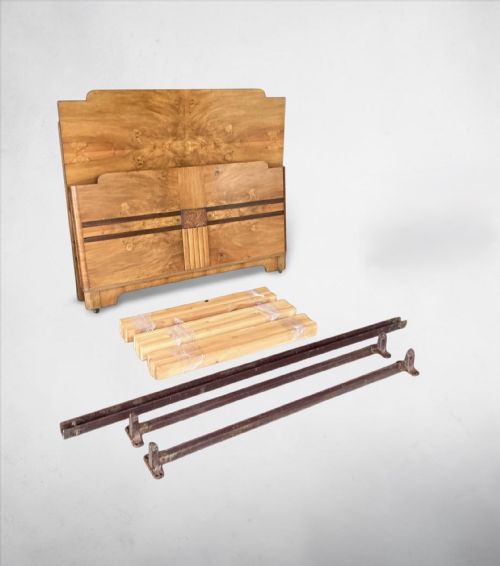
Cabinetry relies on dense hardwoods such as walnut, rosewood and oak, often paired with contrasting veneers and metal mounts in brass or chrome. Surface finishing highlights natural wood grain alongside mirrored glass and marble tops.
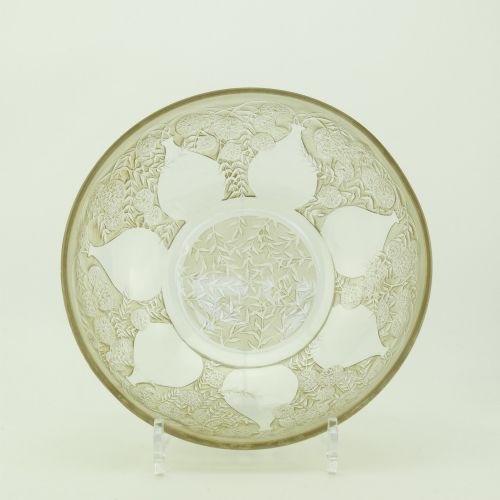
Decorative objects utilise specialised glass techniques including pâte de verre, acid etching and opalescent moulding. Metalwork combines cast bronze and spelter with cold-painted decoration or silver plating.
The selection includes dining tables in fruitwood, leather club armchairs and clocks housed in chrome and Bakelite.
Distinctions in quality
Execution depth separates standard production items from masterworks designed by prominent makers. The crispness of cast metal figures, the complexity of acid-etched glass patterns and the selection of figured wood veneers define the upper tier.
Proportion and structural integration determine the success of larger furniture pieces. Well-balanced compositions maintain geometric clarity without heavy ornamentation, utilising materials for inherent contrast rather than surface embellishment.
Rene Lalique·Émile-Jacques Ruhlmann·Pierre le Faguays·Max Le Verrier·Demetre Chiparus·Christofle·Jules Leleu
The French Art Deco Glossary
- Spelter
- An alloy primarily of zinc, frequently used in decorative sculptures and figures during the period. It accepts patination and metallic finishes readily, often substituting for solid bronze in figural works.
- Pâte de verre
- A glass-working technique involving crushed glass packed into a mould and fused in a kiln. This method produces thick, textured objects with subtle colour gradations.
- Bakelite
- An early form of synthetic thermosetting plastic utilised for electrical components, desk items and clock housings. Its durability and tactile weight made it popular for modernist design.
- Cold-painted bronze
- A method where bronze sculptures receive paint applications without subsequent heat firing. The finish requires careful handling to preserve pigment integrity.
- Tambour front
- A flexible surface constructed from narrow strips of wood attached to a canvas backing, allowing doors to slide smoothly around curved cabinetry corners.
French Art Deco: Frequently Asked Questions
How do I identify authentic french art deco lighting?
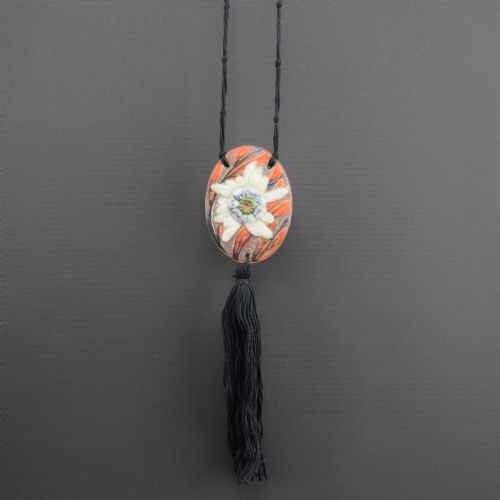
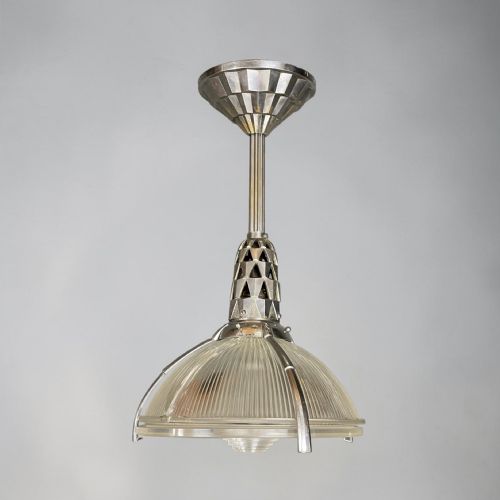
Authentic pieces rely on characteristic materials such as frosted glass, moulded opalescent shades, and heavy bronze or brass fixtures. Many lamps and pendants incorporate geometric motifs and streamlined silhouettes typical of the interwar period.
Signatures or maker marks on the glass or metal base provide additional confirmation, though unsigned workshop pieces share the same structural vocabulary and fabrication standards.
Where should I place a club armchair in my home?
Leather club armchairs function effectively as anchor seating in a living room or study. Their substantial proportions and deep cushioning require surrounding space to let the silhouette register visually against walls or lighter furnishings.
Pairing a single chair with a small occasional table creates a distinct reading corner, while matching pairs work well arranged opposite a sofa.
How do I care for wood and marble surfaces?
Wooden surfaces finished in walnut or oak benefit from periodic application of quality wax to nourish the grain and protect against dryness. Avoid excessive moisture and direct sunlight to maintain the integrity of polished veneers.
Marble table tops and cabinet surfaces require gentle cleaning with mild soap and water, avoiding acidic substances that can etch the polished stone finish.
What defines the transition from art nouveau?
The transition moves away from flowing, organic plant motifs toward strict symmetry, rectilinear geometry and streamlined forms. Ornamentation becomes disciplined by architectural structure rather than lyrical curves.
Materials also shift to embrace industrial alloys, chrome plating and synthetic plastics alongside traditional cabinet timbers and art glass.