
Art Deco Vessel
When you seek an art deco vessel, you look for a striking piece of 20th-century design that brings geometric form and rich colour into a room.
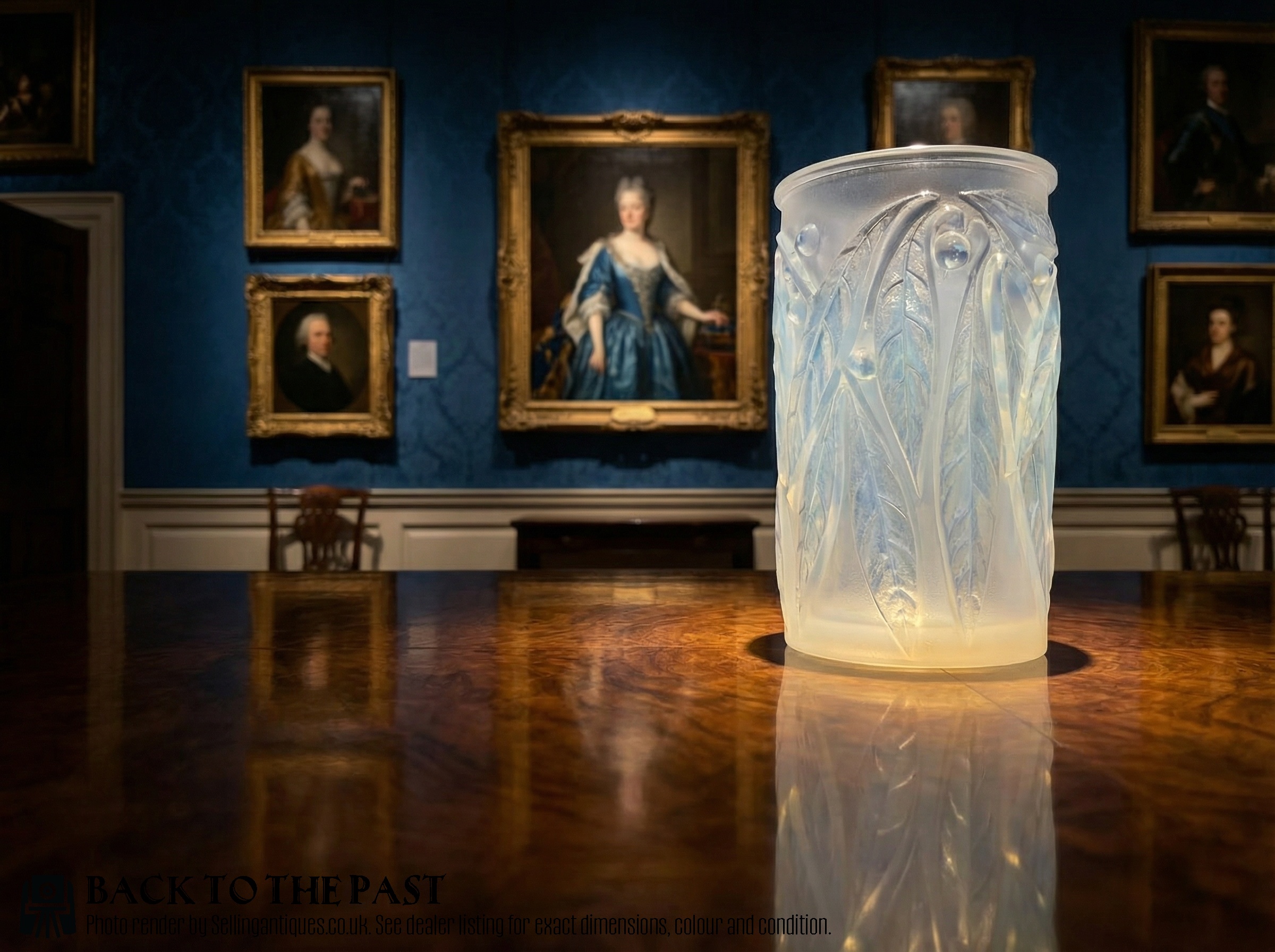
Art Deco Vessel
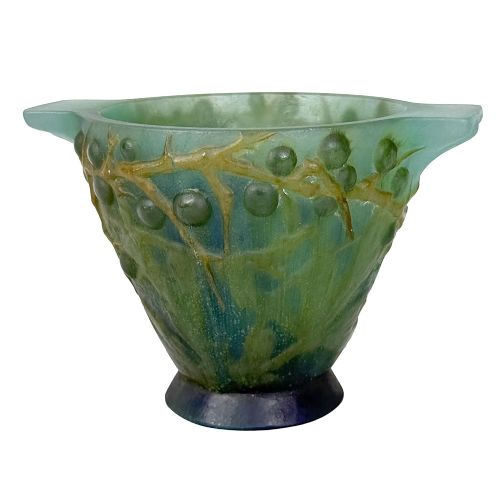
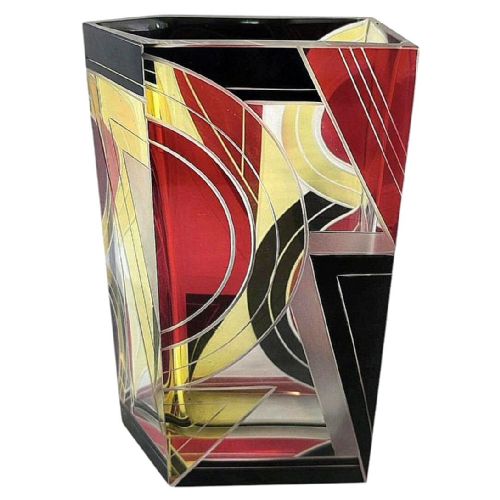
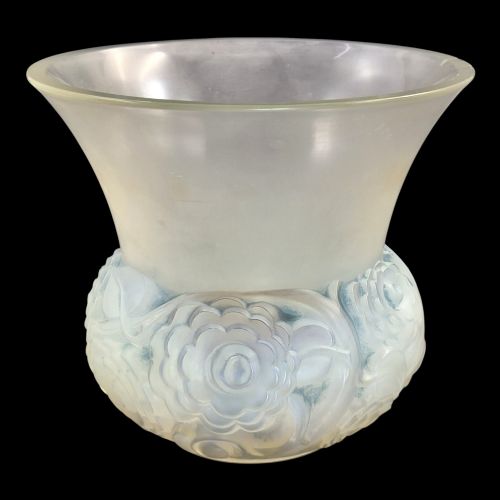
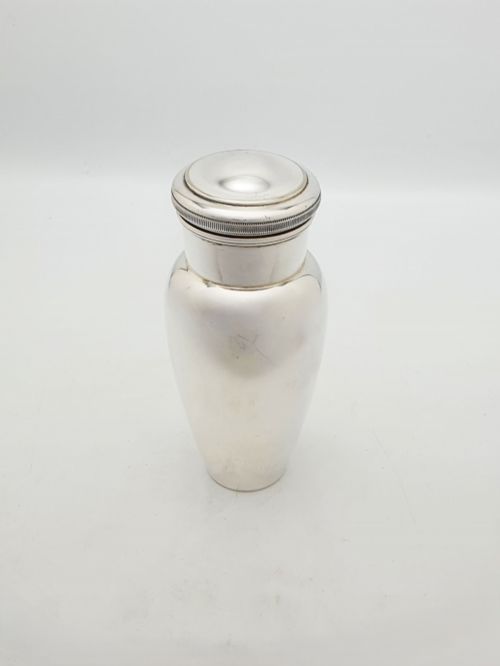
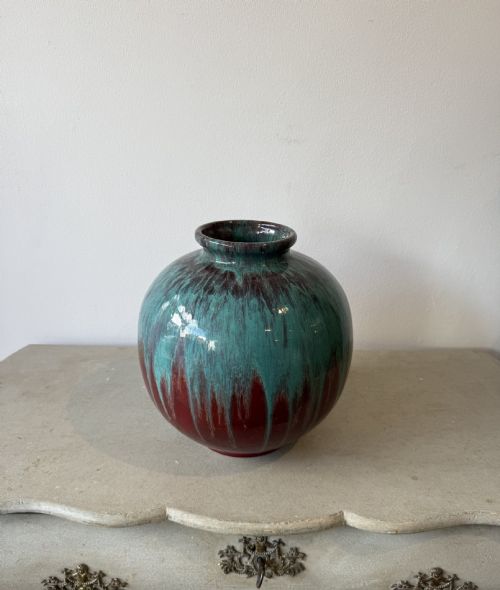
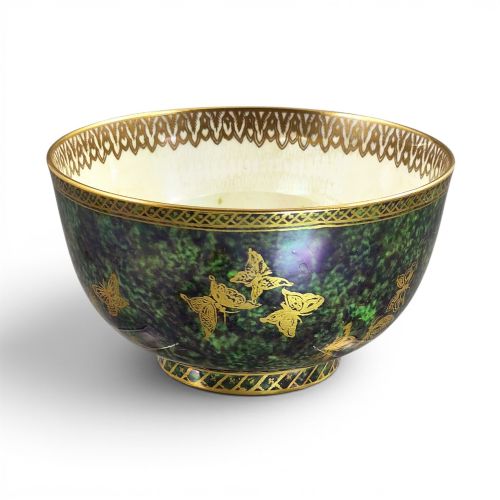
An art deco vessel spans decorative bowls, vases, decanters, and tableware created during the 1920s, 1930s, and neighbouring decades. You will frequently encounter glass and ceramic forms that display the characteristic symmetry, stylised motifs, and modernist lines of the period.
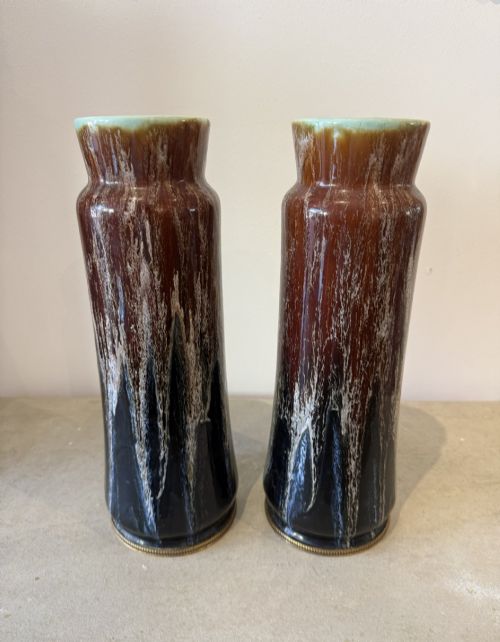
The selection ranges from French opalescent moulded glass and studio pottery to sterling silver tableware and enamel-decorated pieces. These objects served both ornamental and functional roles in homes influenced by the design shifts of the early twentieth century.
Pieces often reflect specific regional aesthetics, such as French moulded glass or English silver and earthenware, carrying the hallmarks of their makers and the stylistic vocabulary of the interwar years.
How they were made
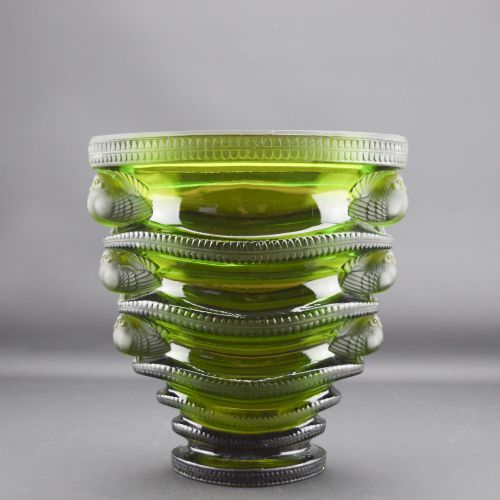
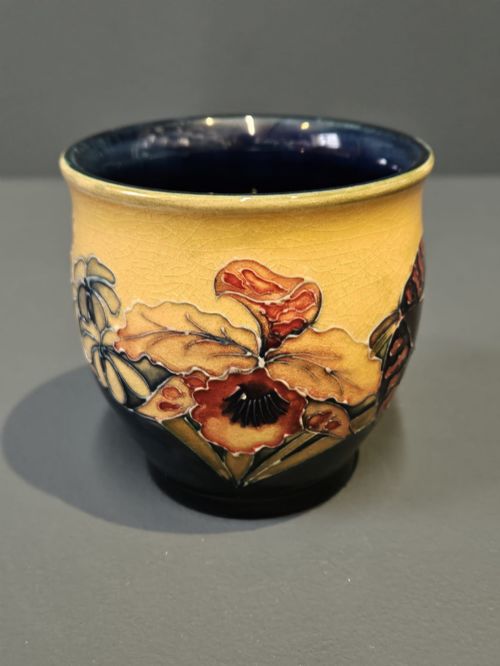
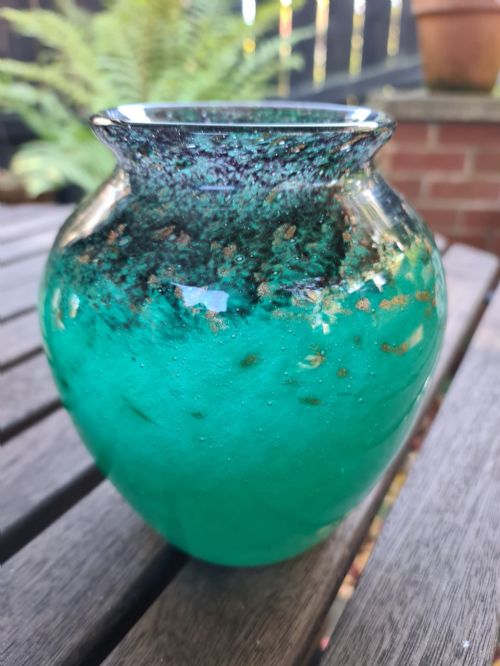
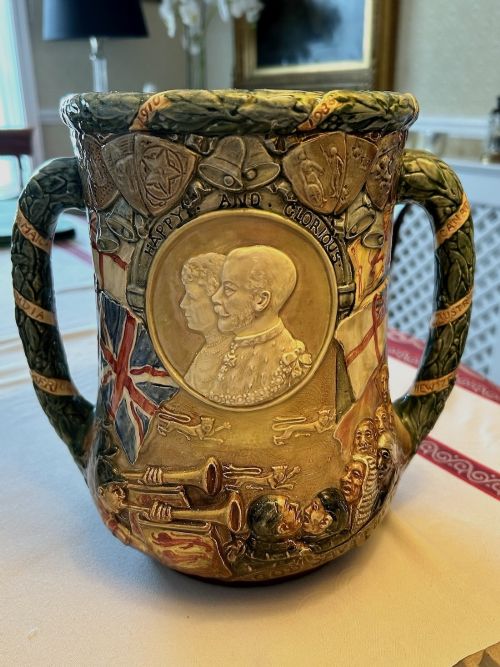
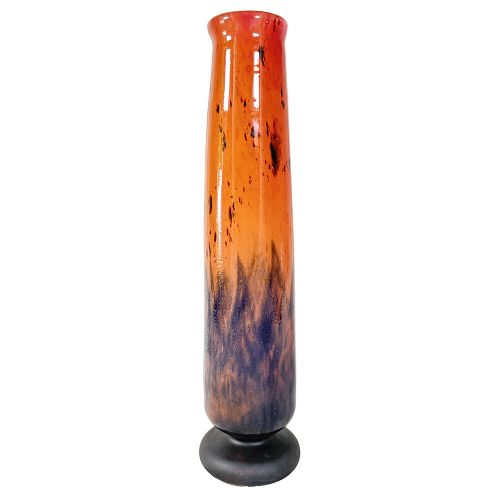
Makers utilised techniques such as mould-blowing, acid-etching, and pate de verre to achieve deep textures and relief designs in glass. Enamel decoration and rich glazes were applied to earthenware and porcelain to build up dense surface patterns and vibrant colour.
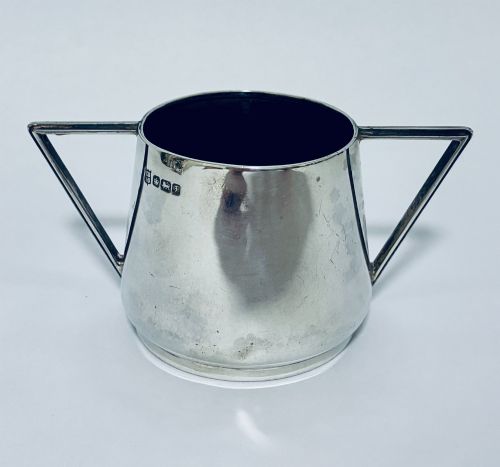
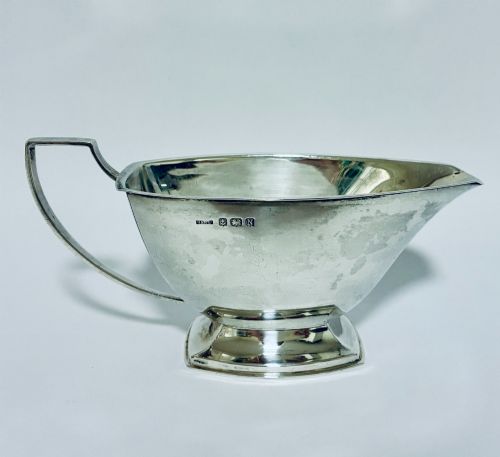
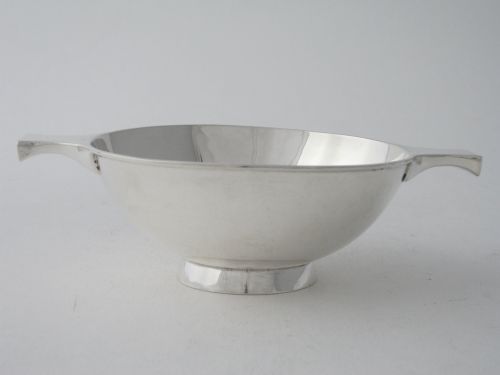
Silversmiths shaped sterling silver and plated metals through hammering, casting, and piercing, frequently pairing metalwork with cut glass liners or handles. These diverse processes allowed artisans to combine industrial precision with hand-finished details.
Art Deco Vessel Retail Price Guide 2026
Typical asking prices for art deco vessel among the pieces listed under this phrase on Sellingantiques today, from the lower quarter to the upper quarter. They describe what is for sale here now, not the wider market.
Some vessels were built to shake martinis with built-in ice breakers for thirsty guests.
What varies in quality
Quality rests in the crispness of the moulding or etching and the depth achieved in opalescent, frosted, or coloured glass. Superior pieces display deliberate control over weight, balance, and the integration of surface decoration with the underlying form.
In ceramics and enamel work, the refinement of the glaze, the precision of geometric lines, and the clarity of the maker signature distinguish finer examples. The handling of materials demonstrates the technical ambition of the workshop behind the object.
Rene Lalique·Daum·Amalric Walter·Val St Lambert·Carlton Ware
The Art Deco Vessel Glossary
- Opalescent glass
- Glass that exhibits a milky, milky-blue, or fire-opal appearance, changing tone according to the light. This effect was widely used in interwar French decorative arts to highlight moulded relief designs.
- Pate de verre
- A glass-casting method where finely crushed glass is packed into a mould and fused in a kiln. It produces dense, translucent objects with mottled colouration and tactile surfaces.
- Enamel
- A vitreous substance fused to a metal, glass, or ceramic surface through firing. It provides durable colour and glossy geometric decoration across vases and tableware.
- Sterling silver
- An alloy containing a high proportion of pure silver combined with other metals for strength. It forms the base of many period bowls, jugs, and cocktail accessories.
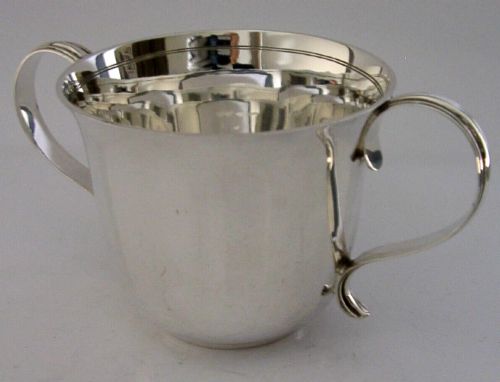
- Quaich
- A traditional two-handled drinking vessel originating in Scotland. Period examples in sterling silver often feature simple, clean lines suited to twentieth-century tastes.
Art Deco Vessel: Frequently Asked Questions
What defines an art deco vessel?
These pieces are defined by their 1920s and 1930s origins, featuring geometric motifs, stylised natural forms, and clean silhouettes. They encompass glass, ceramic, and metal objects designed for display or functional use in interwar interiors.
Craftsmanship from this era prioritised bold visual impact, often employing moulded glass, vibrant glazes, or etched patterns that reflected the modern design movements of the time.
How were these vessels used originally?
Many served as decorative centerpieces, flower vases, or dining table accessories such as decanters and sauce boats. Others fulfilled specific social roles, including cocktail shaking or commemorative toasts.
Owners displayed them in domestic spaces to signal modern tastes, combining aesthetic appeal with practical utility during gatherings and daily life.
How do I identify glass types?
Glass types range from clear and frosted surfaces to opalescent and coloured crystal. Examining the weight, texture, and how light passes through the material reveals whether a piece is moulded, cased, or deeply etched.
Signatures or moulded marks on the base often point to specific workshops or designers active in France and Belgium during the interwar period.
How should I care for silver and glass?
Sterling silver requires gentle cleaning with appropriate polish to maintain its finish without wearing down hallmarks or fine details. Glass vessels benefit from warm water and mild soap, avoiding harsh abrasives that could harm etched or stained surfaces.
Placing these items away from direct sunlight and extreme temperature changes helps preserve both metal patinas and delicate glass structures over time.