






Vintage Glass Flower Vase
These vintage glass flower vases bring colour and form to a room, offering the appeal of early twentieth-century design.
What vintage glass flower vases are
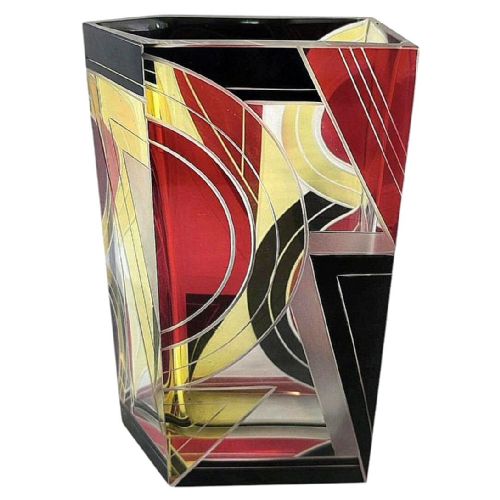
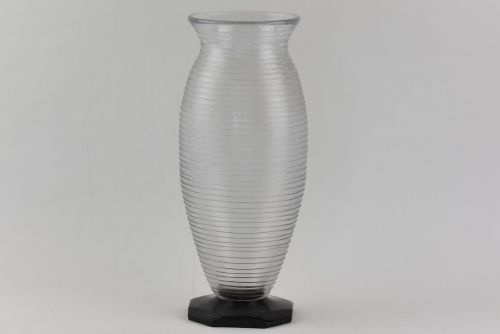
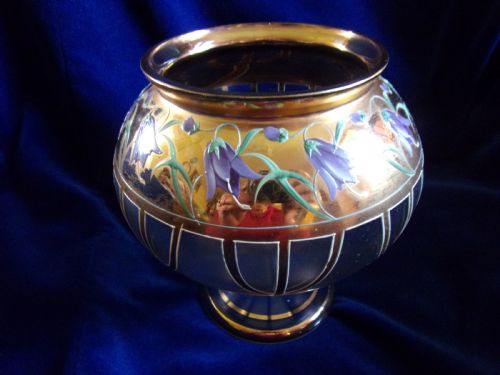
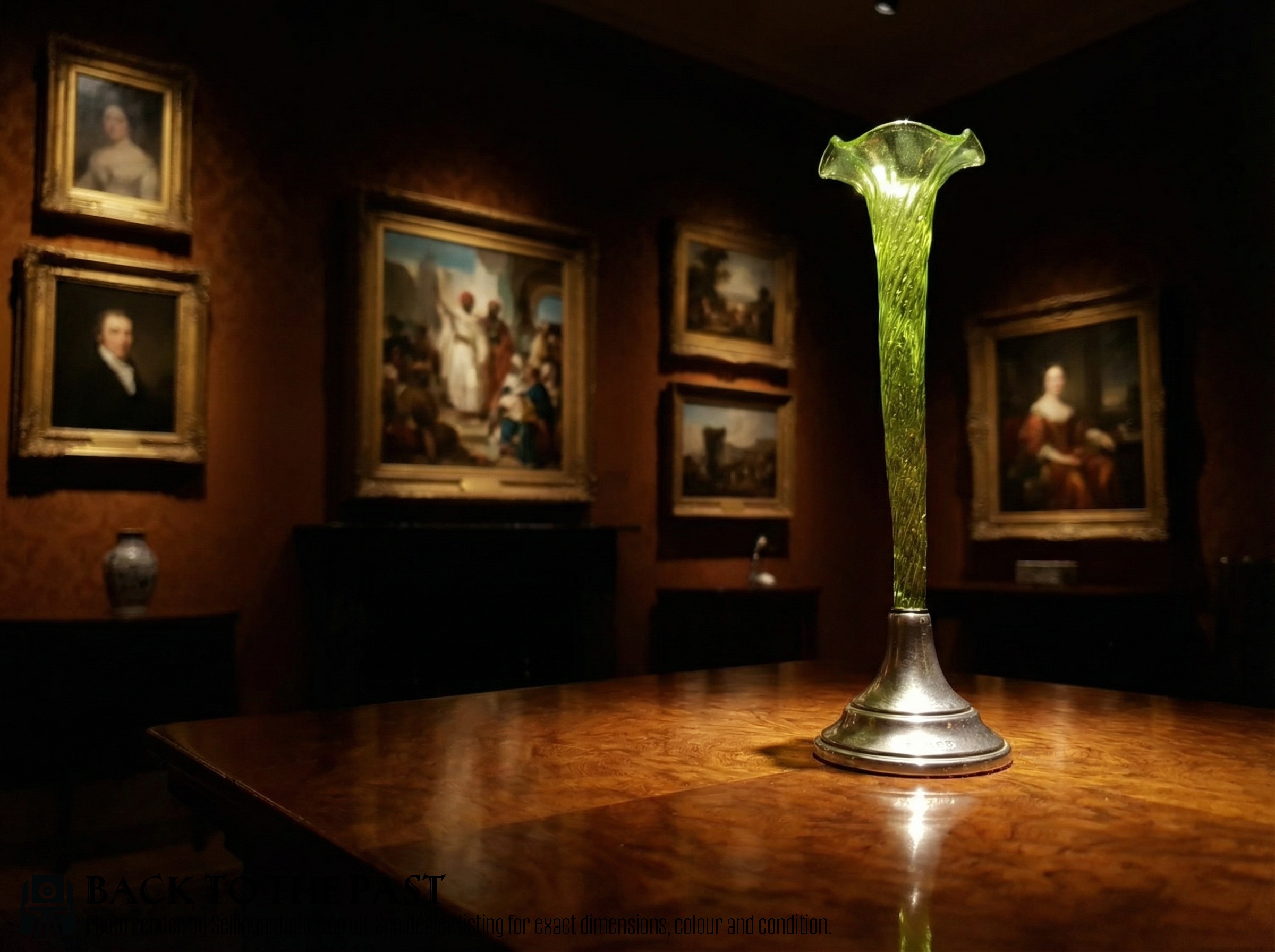
A vintage glass flower vase takes many shapes, from tall geometric vessels to slender flutes mounted on metal bases. When searching for a vintage glass flower vase, collectors encounter diverse forms spanning Edwardian, Art Nouveau, and Art Deco periods.
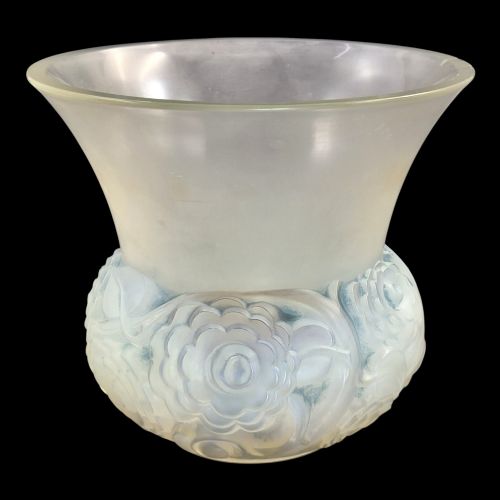
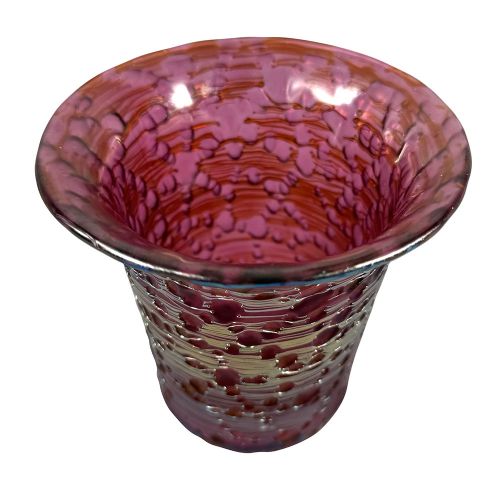
The materials and techniques behind a vintage glass flower vase range widely, encompassing iridescent finishes, cameo work, and acid-etched decoration. Early twentieth-century examples frequently showcase the distinctive aesthetic movements of their decade of production.
How they were made
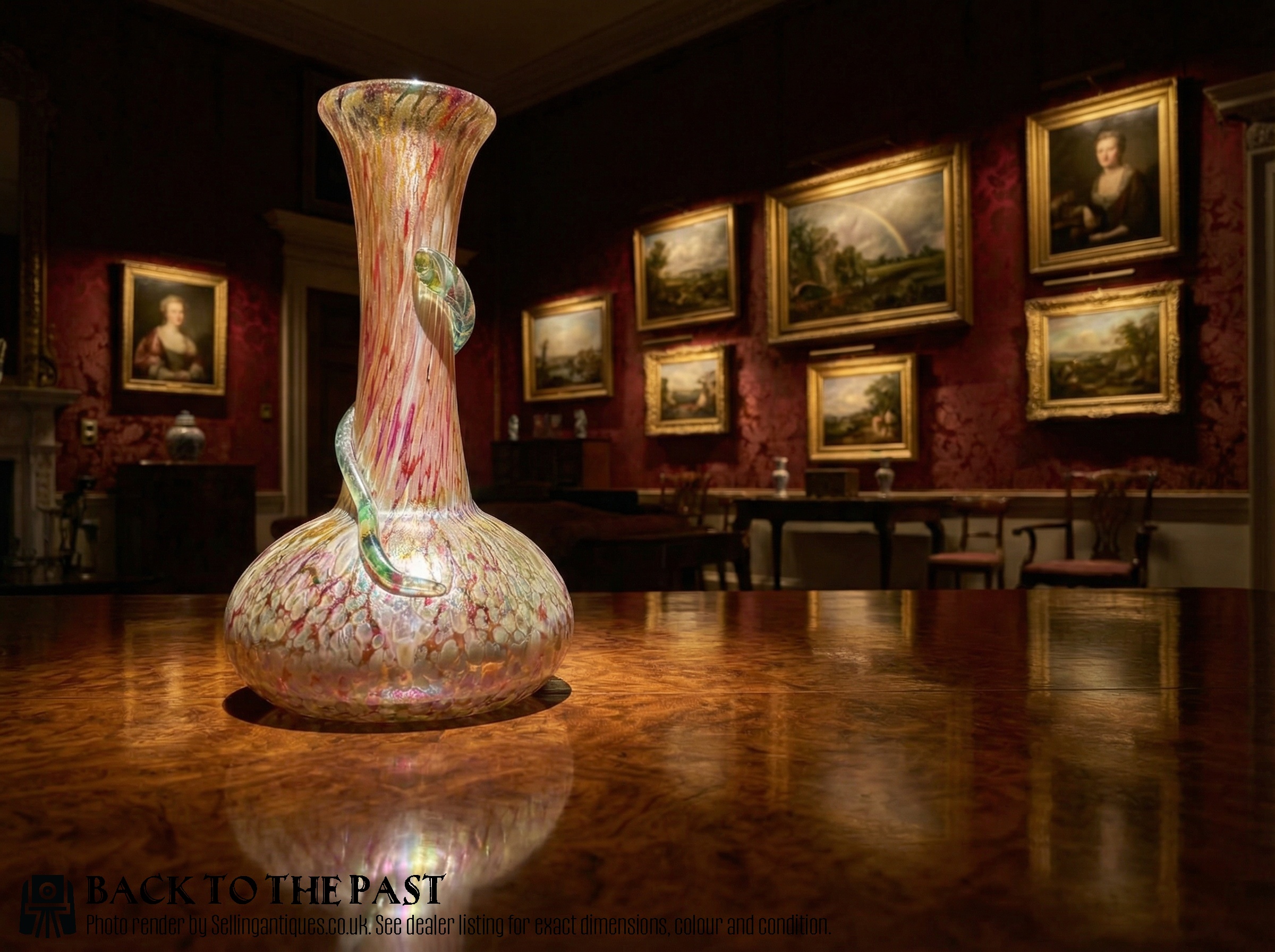
Glassmakers utilised various methods including hand-blowing, wheel engraving, and cameo layering to shape these vessels. Molten material was manipulated while hot, then surface decoration was applied through enamel painting, acid etching, or wheel cutting.
Some pieces incorporate mixed media, such as sterling silver bases attached to glass flutes. The application of enamel and metallic details required precise firing techniques to bond with the underlying glass body.
Retail Price Guide 2026
Typical UK retail prices for vintage glass flower vase, calculated from the Sellingantiques database of over a million retail prices indexed since 2003. This retail price guide relies exclusively on Sellingantiques data; no external sources or auction records are used, so the figures do not describe the wider market.
Listings feature periods from nineteen hundred up to nineteen thirty, spanning Edwardian, Art Nouveau, Neoclassical, and Art Deco styles.
What varies in quality
Quality rests in the precision of the technique and the reputation of the maker or studio. Pieces bearing signatures from recognised workshops demonstrate superior skill in surface carving, enamelling, or glass formulation compared to unsigned commercial wares.
The complexity of the design also distinguishes finer examples. Intricate cameo layering, detailed wheel engraving, and carefully applied iridescent finishes represent higher levels of artisan effort than simpler moulded surfaces.
Daum Frères·Karl Palda·Kralik
The Vintage Glass Flower Vase Glossary
- Cameo glass
- A vessel formed of two or more distinct layers of coloured glass fused together, where the outer layer is carved away to reveal the contrasting background. This demanding technique creates relief designs with considerable depth and detail.
- Iridescent glass
- A finish characterised by a shimmering, rainbow-like sheen produced by treating the hot glass surface with metallic salts. This effect was particularly favoured by makers during the Art Nouveau period to mimic natural phenomena.
- Acid-etched glass
- A decorative method using acid to eat away exposed portions of the glass surface, leaving a frosted or textured pattern. This technique allowed makers to achieve precise geometric or organic motifs without manual cutting.
- Wheel engraved
- A process where a glass vessel is held against a rotating abrasive wheel to cut shallow designs into the material. The skill of the engraver determines the sharpness and clarity of the resulting pictorial or decorative scene.
- Enamel decorated
- The application of coloured powdered glass mixed with an oily binder onto the vessel surface, followed by firing in a kiln to fuse the pigments. This adds vibrant opaque colour and raised tactile detail to the transparent body.
Frequently Asked Questions
How do I identify Art Nouveau vases?
Art Nouveau vessels typically display flowing organic lines, natural motifs, and iridescent surfaces characteristic of the period around nineteen hundred.
These pieces often draw inspiration from plant forms and botanical themes, rendered through hand-blowing and cameo techniques.
What defines Art Deco glass design?
Art Deco design relies on strong geometric patterns, tall silhouettes, and structured enamel decoration popular around nineteen thirty.
Such vessels emphasise symmetry and bold visual contrast, frequently utilising acid-etched or wheel-cut lines.
Are sterling silver bases common on glass flutes?
Certain Edwardian examples pair delicate glass flutes with fitted metal mounts, combining materials for stability and decorative contrast.
These mounted pieces reflect the refined domestic accessories produced in the early twentieth century.
How should I clean my glass vase?
Gentle washing with warm water and mild soap maintains the surface without risking delicate enamel or silver components.
Avoid harsh abrasives or soaking pieces with applied metal bases to preserve their original condition.