




Black Enamel Glass Vase
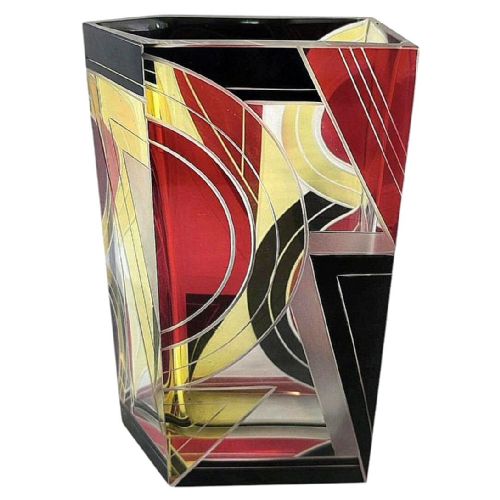
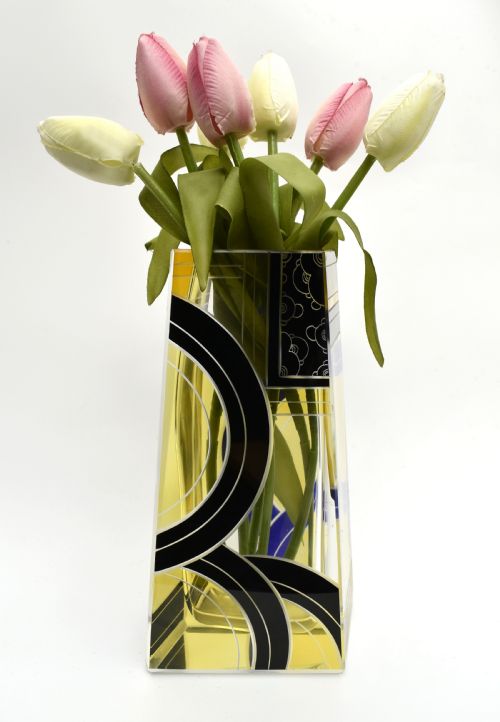
A black enamel glass vase brings striking Art Deco or nineteenth-century contrast to a room through deep opaque surfaces and fine painted detail.
What these pieces are
When you search for a black enamel glass vase, you encounter items defined by dark glass bodies ornamented with enamel decoration. The pieces span the nineteenth century and the nineteen-thirties, reflecting distinct historical shifts in manufacture.
The most common examples on this page date from the nineteen-thirties and belong to the Art Deco style. These particular items frequently originate from the Czech Republic and display tall forms alongside etched details.
Earlier pieces from the nineteenth century also appear in archives, including pairs of large vases from makers such as Harrach. These earlier works often incorporate contrasting colours like green alongside the black enamel.
How they were made
Makers produced these objects using glass as the primary medium, sometimes utilising uranium glass that reacts under ultraviolet light. Artisans applied enamel paints directly onto the glass surface to build up colourful and decorative motifs.
Techniques often combined surface painting with etching, where craftsmen cut designs into the glass or removed layers to create textured patterns. Workshop production methods varied from individual artistic pieces in the nineteen-thirties to larger nineteenth-century factory output.
Retail Price Guide 2026
Typical UK retail prices for black enamel glass vase, calculated from the Sellingantiques database of over a million retail prices indexed since 2003. This retail price guide relies exclusively on Sellingantiques data; no external sources or auction records are used, so the figures do not describe the wider market.
Some of these dark vessels conceal a glowing neon secret under ultraviolet light, courtesy of hidden uranium.
What varies in quality
Quality in these items rests on the precision of the enamel work and the crispness of any etched details. Superior pieces display steady hand-painting and well-balanced proportions that mark out skilled workshop production.
The reputation of the maker also dictates distinction, with authenticated works by designers like Karl Palda holding greater interest than unmarked pieces. Additionally, the survival of pairing in nineteenth-century examples affects the overall cohesion of the set.
Karl Palda·Harrach
The Black Enamel Glass Vase Glossary
- Art Deco
- A design style from the nineteen-thirties characterised by geometric shapes, stylised motifs, and modern industrial aesthetics. It heavily influences the Czech glass pieces found in this category.
- Uranium glass
- Glass containing trace amounts of uranium oxide, which glows brightly under ultraviolet light. This material appears in specific nineteen-thirties items.
- Enamel
- A decorative glass-like substance fused or painted onto the surface of the vessel. It provides vivid colour and opaque contrast against the dark background.
- Etched
- A technique where acid or tools cut into the glass surface to form permanent designs. This method adds tactile depth to the decorated body.
Frequently Asked Questions
How do I date a black enamel glass vase?
Dating relies on stylistic markers such as nineteenth-century Victorian forms versus nineteen-thirties Art Deco geometries. Etching style and known maker attributions further narrow the period of origin.
Examining the material and colour palette also helps, as certain shades and uranium glass compositions strongly connect to specific decades.
Are these vases safe to hold water?
Most antique glass vases serve primarily as decorative display objects rather than functional vessels for fresh flowers. Moisture and mineral deposits can sometimes harm old enamel work on the interior.
Careful dry display preserves the painted surfaces and prevents accidental scratching of the delicate glass body.
How do I display a black enamel glass vase?
Place the item where directional light highlights the contrast between the dark glass and the painted enamel. Pairing them on mantels or shelves allows the silhouettes to stand out effectively.
Ensuring stable placement protects these fragile glass objects from accidental knocks.