



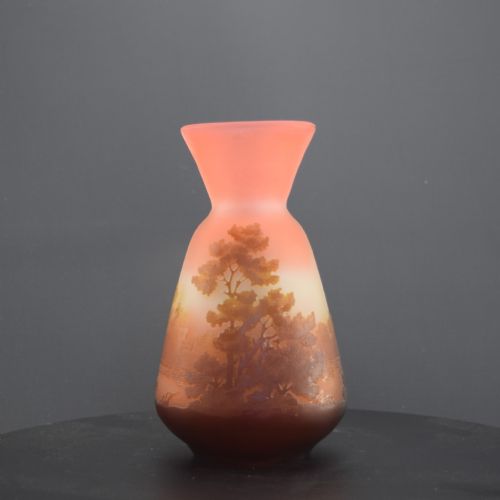
Etched Glass Vase
An etched glass vase brings sharp lines and tactile depth to a room, driven primarily by the bold geometry of the 1930s.
What an etched glass vase is
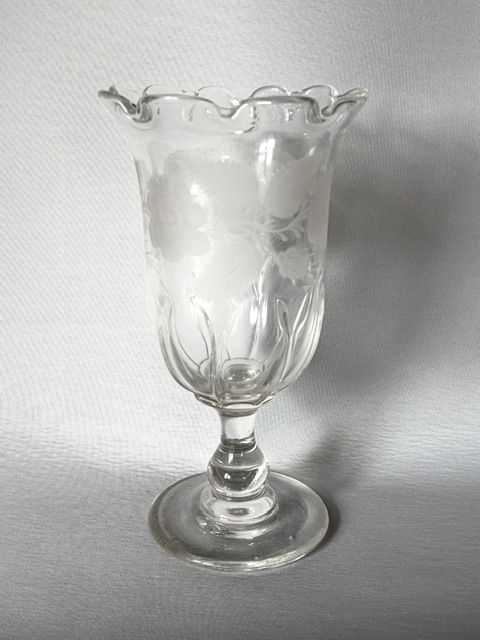
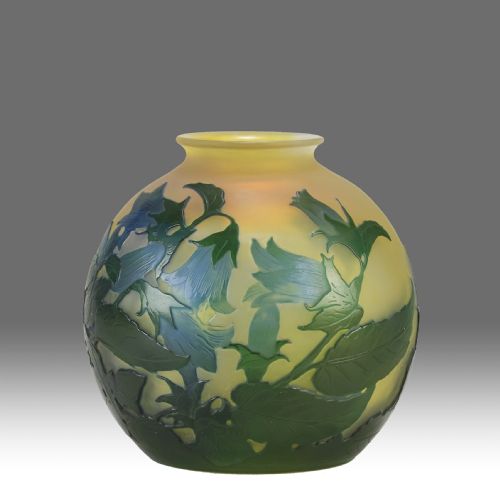
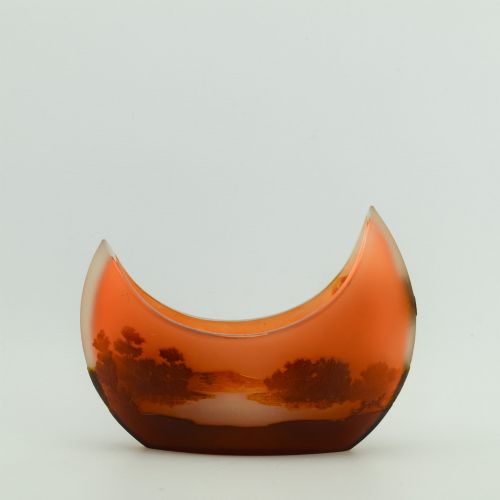
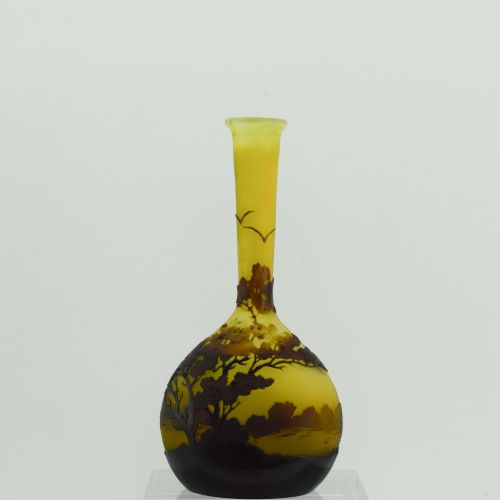
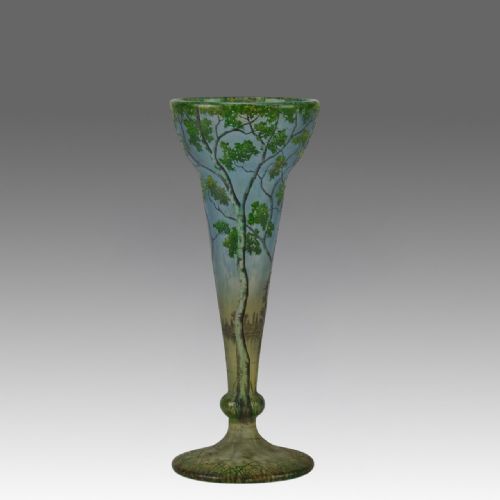
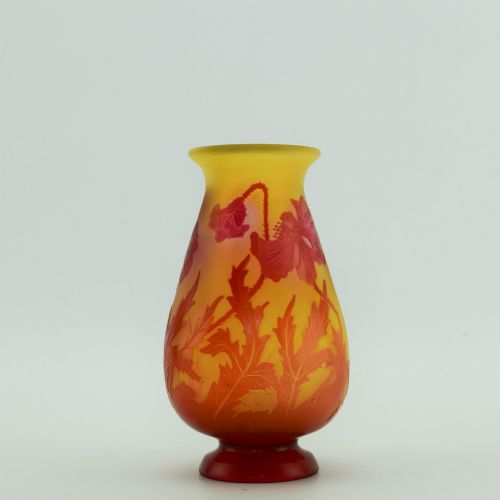
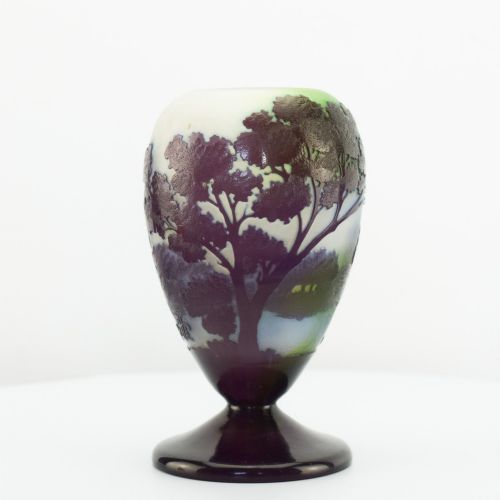
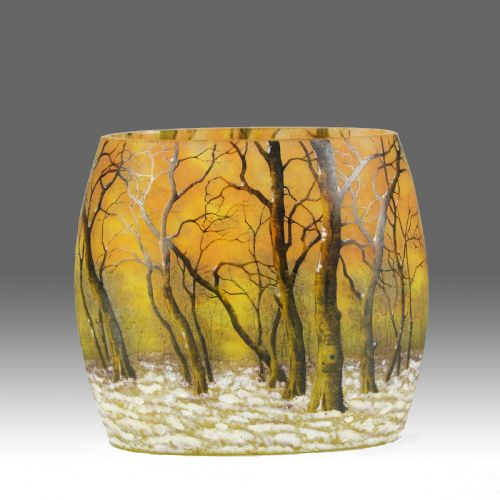
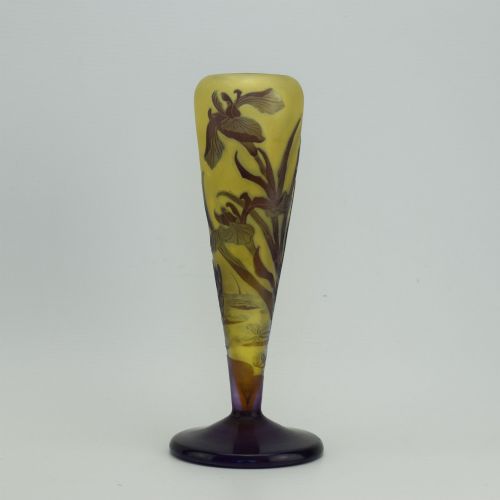
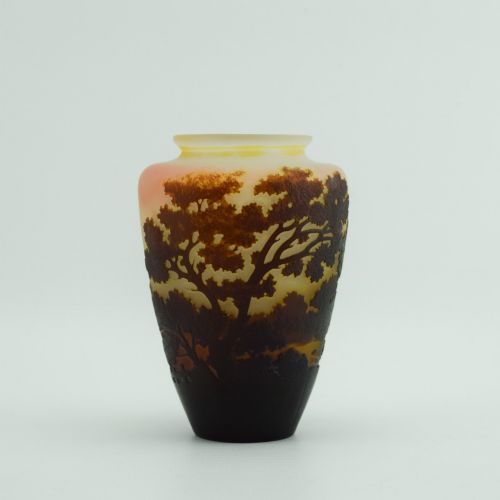
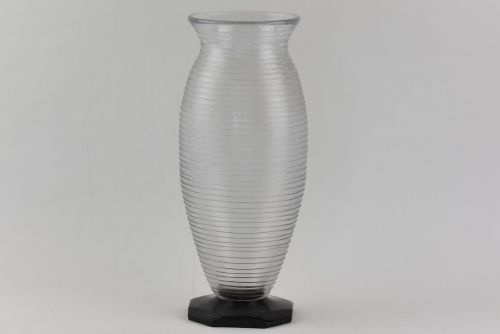
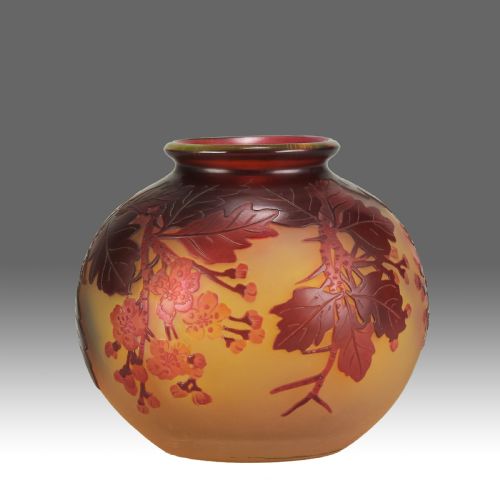
An etched glass vase is a decorative vessel defined by surface decoration cut or eaten into the material, ranging from nineteenth-century celery vases to grand twentieth-century modernist designs. When collectors search for an etched glass vase, they most frequently encounter striking Art Deco examples from the 1930s featuring geometric motifs.
The archive shows these pieces originating prominently from the Czech Republic alongside Victorian predecessors like celery vases and epergne vases. Tall formats and massive proportions dominate the selection, often heightened with contrasting black or gilt enamel.
Makers such as Jean Luce and Karl Palda define the high end of these twentieth-century productions. Their work showcases how utilitarian vessels evolved into sculptural centerpieces utilising frosted and clear surfaces.
How they were made
Makers utilised glass as the primary substrate, applying techniques like deep etching and cutting to create tactile relief on the surface. Frosted glass often appears alongside transparent finishes to heighten the contrast of light through the vessel walls.
Enamel work frequently supplements the acid-etched or carved patterns, introducing blocks of black or gilt colour onto the clear or frosted glass body. These combined processes required steady hands and precise timing during the decoration phase.
Retail Price Guide 2026
Typical UK retail prices for etched glass vase, calculated from the Sellingantiques database of over a million retail prices indexed since 2003. This retail price guide relies exclusively on Sellingantiques data; no external sources or auction records are used, so the figures do not describe the wider market.
Listings demonstrate that the 1930s Art Deco period dominates the available inventory, alongside nineteenth-century Victorian celery vases.
What varies in quality
The depth and clarity of the etching separate standard production wares from masterworks, with deeply etched surfaces casting stronger shadows and catching the light more dynamically. The precision of geometric cuts and the clean application of enamel details mark the difference between average vessels and important pieces.
Attribution to known designers like Karl Palda or Jean Luce elevates a piece considerably. The scale of the object also plays a role, as huge and tall formats demand greater technical skill in glassblowing and subsequent decoration.
Jean Luce·Karl Palda
The Etched Glass Vase Glossary
- Etched glass
- Glass treated with acid or abrasives to eat away the surface and form decorative patterns. This technique creates a matte finish that contrasts sharply with polished areas.
- Frosted glass
- Glass rendered translucent rather than transparent by acid-etching or sandblasting. It diffuses light softly across the body of the vase.
- Enamel
- Opaque vitreous material fused to the glass surface through firing. It adds vibrant blocks of colour or graphic black lines to the etched design.
- Celery vase
- A tall nineteenth-century vessel originally designed to hold stalks of celery on the dining table. They frequently feature heavy etching characteristic of the Victorian period.
- Epergne vase
- A central branching table centrepiece designed to hold flowers. These multi-horn vessels often display delicate etched patterns.
Frequently Asked Questions
What is an etched glass vase?
An etched glass vase is a vessel decorated by cutting into the surface with acid or abrasives to form permanent designs. These objects range from nineteenth-century table vessels to striking twentieth-century modernist forms.
The technique creates texture and contrast between clear and frosted areas. Many examples from the 1930s also incorporate coloured enamel within the carved patterns.
How do I style an etched glass vase?
Place the vase where natural light can strike the etched surfaces and reveal the frosted details. Tall and huge formats work well on sturdy sideboards or central tables as sculptural focal points.
Keep floral arrangements simple so the graphic lines of the glass remain visible. Dark enamel details look particularly striking against minimalist backgrounds.
How do I identify Art Deco etched glass?
Look for sharp geometric patterns, bold vertical lines, and modernist compositions typical of the 1930s. Many of these pieces originate from the Czech Republic and feature contrasting black enamel.
Signature characteristics include deep cutting and frosted panels. Works by known designers such as Karl Palda often display distinct factory signatures or recognizable motifs.
What is a celery vase?
A celery vase is a specialised Victorian vessel designed to display upright stalks of celery on formal dining tables. These pieces are typically taller and heavier than standard flower vases.
Victorian examples often feature elaborate etched or cut botanical patterns. They represent an earlier tradition of decorative glassware before the advent of Art Deco design.