




Moulded Glass Vessel
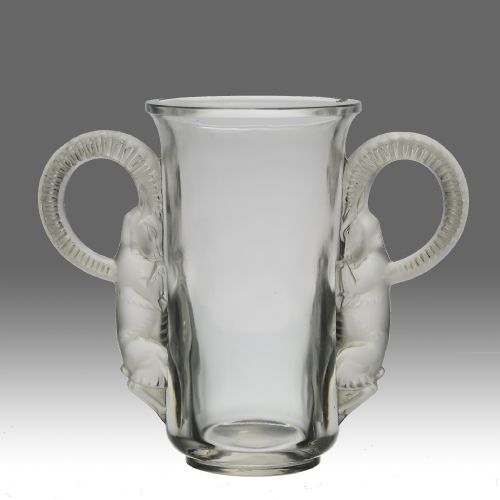
A moulded glass vessel brings tactile relief and optic depth to a room, ranging from eighteenth-century tablewares to Art Deco opalescent creations.
Moulded Glass Vessel
When you search for a moulded glass vessel, you encounter items shaped by pressing or blowing molten metal into a prepared form rather than relying solely on freehand manipulation. The selection spans distinct eras, from eighteenth-century drinking glasses and sweetmeat vessels to Victorian decanters and oil lamps.
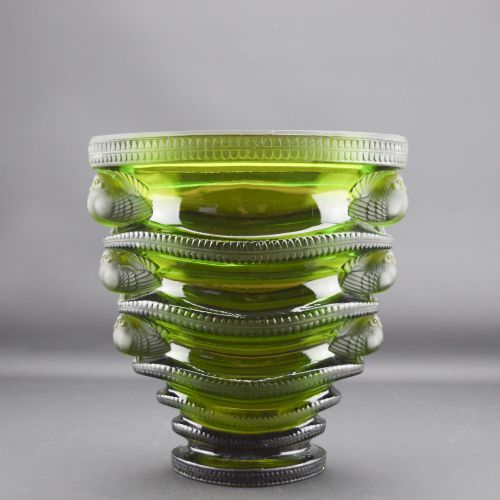
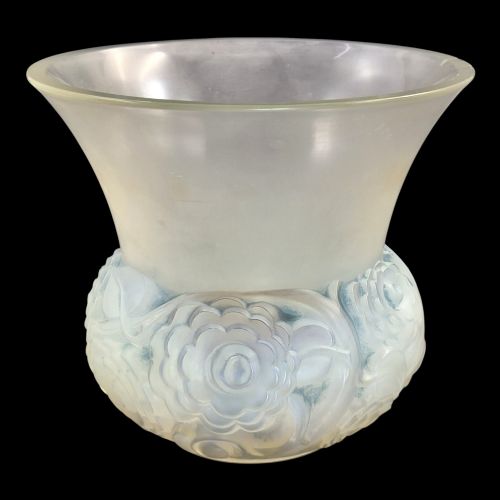
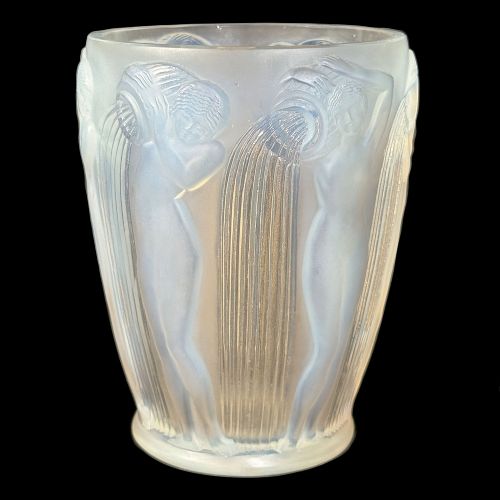
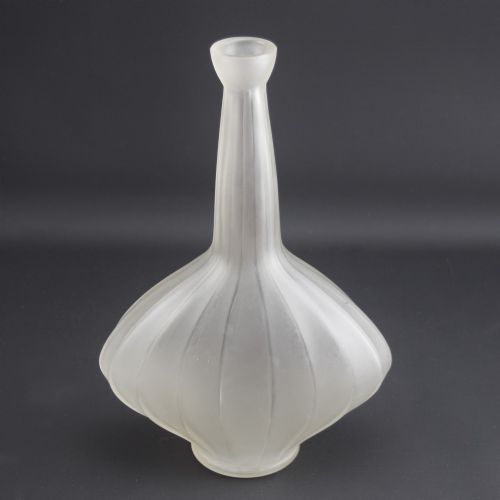
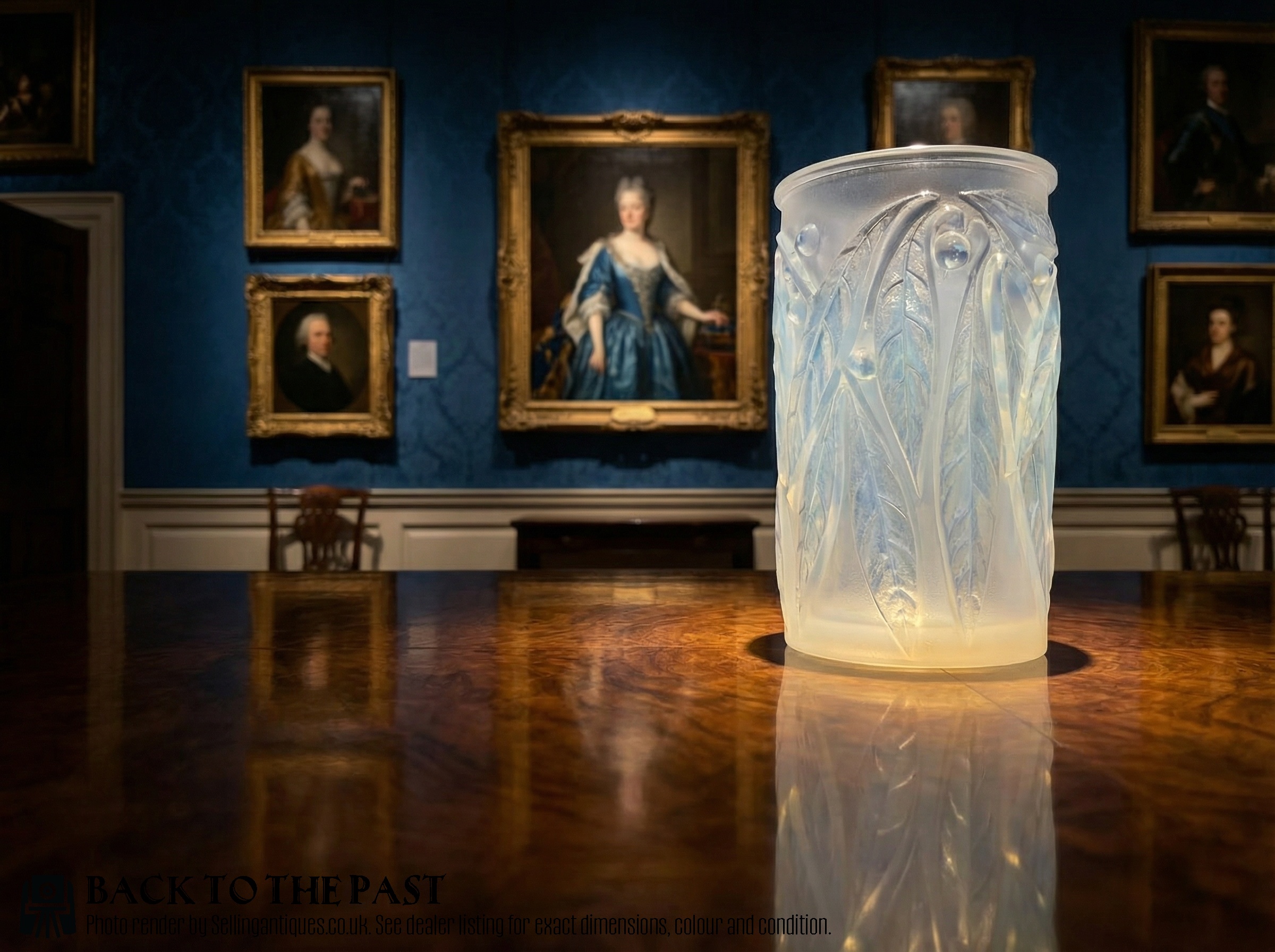
Art Deco examples dominate the range, particularly opalescent, frosted, and clear creations produced during the nineteen-twenties and thirties. These pieces often take the form of substantial vases and decorative bowls bearing plant and animal motifs.
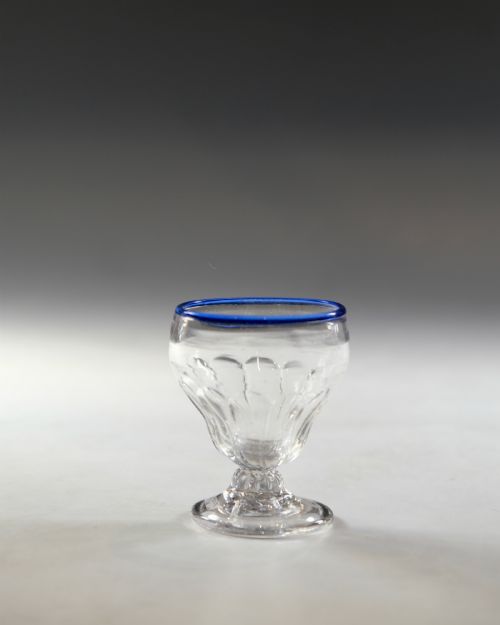
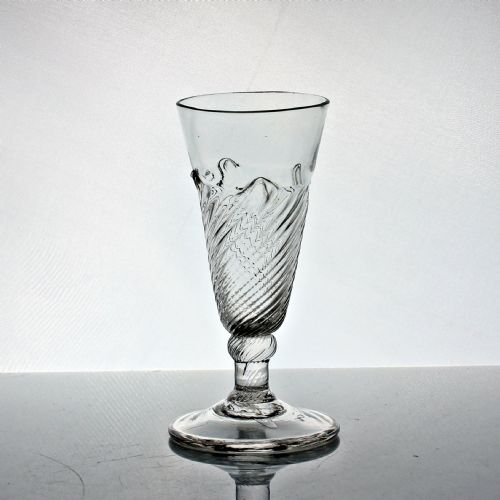
Earlier pieces from the eighteenth century focus on functional table forms such as ale glasses, bonnet glasses, and baluster sweetmeats. Victorian production introduces heavier domestic items including cut glass decanters and opaque oil lamp vessels.
Materials and production techniques
Makers utilised lead glass, crystal, and standard glass compositions, manipulating the molten material through press-moulding and blow-moulding techniques. The introduction of metal or wooden moulds allowed artisans to repeat intricate exterior patterns consistently across multiple pieces.
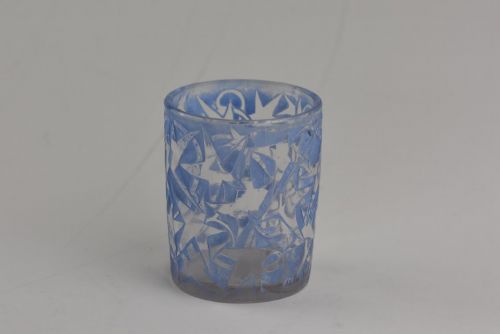
Frosted, opalescent, and pate de verre finishes rely on chemical additions and acid treatment to alter the light-diffusing properties of the surface. Blue staining and enamel accents were frequently applied to accentuate the raised contours of the relief work.
Moulded Glass Vessel Retail Price Guide 2026
Typical asking prices for moulded glass vessel among the pieces listed under this phrase on Sellingantiques today, from the lower quarter to the upper quarter. They describe what is for sale here now, not the wider market.
The listings here feature items spanning from the eighteenth century through the Victorian era to Art Deco nineteen-twenties and thirties production.
Distinctions in craftsmanship and design
Quality rests upon the crispness of the relief and the sophistication of the glass body, distinguishing mass-produced items from masterworks. Superior examples display sharp definition in pressed motifs and subtle play within opalescent or frosted passages.
The weight of the lead glass, the balance of the form, and the finish applied to the surface separate standard domestic wares from notable studio pieces. Artistry in design determines whether a piece transcends its functional origins.
Rene Lalique·Amalric Walter·Henry Berge
The Moulded Glass Vessel Glossary
- Opalescent glass
- A type of glass that displays milky blue or amber highlights when lit from the front, changing appearance entirely against the light.
- Pate de verre
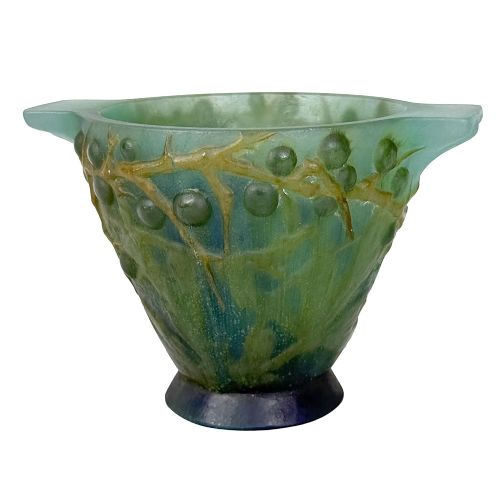
- A form of kiln-cast glass created by packing finely crushed glass into a mould and fusing it together.
- Wrythen
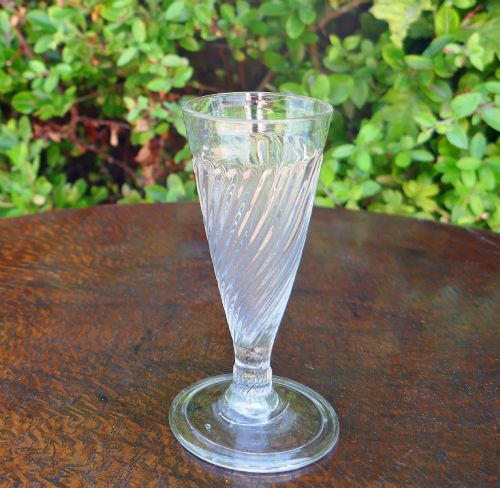
- A decorative spiral pattern moulded into the body of drinking glasses and tablewares.
- Baluster
- A swelling, vase-shaped stem found on mid-eighteenth-century drinking vessels and sweetmeats.
- Sweetmeat glass
- A specialised small vessel used for serving confectioneries, nuts, or dry sweet foods during the Georgian period.
Moulded Glass Vessel: Frequently Asked Questions
How do I clean a vintage moulded glass vessel safely?
Wash the glass in warm, soapy water using a soft cloth, avoiding abrasive pads that might damage frosted or stained surfaces.
Dry the piece immediately with a lint-free towel to prevent water spots from forming on lead crystal or opalescent finishes.
What is the difference between pressed glass and moulded glass?
Pressed glass involves mechanical pressure forcing molten metal into a metal mould, creating sharp exterior patterns and smooth interiors.
Moulded glass encompasses a broader category where glass is shaped against an interior or exterior form by blowing or pressing.
How can I tell an eighteenth-century glass from a later piece?
Eighteenth-century examples show characteristic tool marks, pontil scars on the base, and specific forms like folded feet and baluster stems.
Later Victorian and Art Deco pieces exhibit heavier lead weights, mechanical mould seams, and distinct surface treatments like opalescence.
Where should I display an opalescent vase?
Position the vase near natural light sources such as a windowsill or a dedicated display cabinet with internal illumination.
Strong directional light activates the milky blue and amber tones inherent in opalescent glass compositions.