


1920s Glass Vase
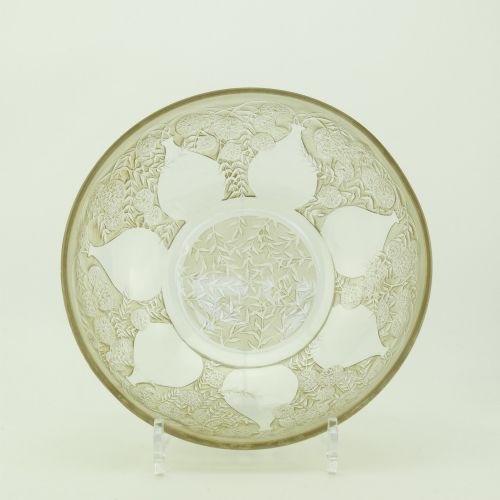
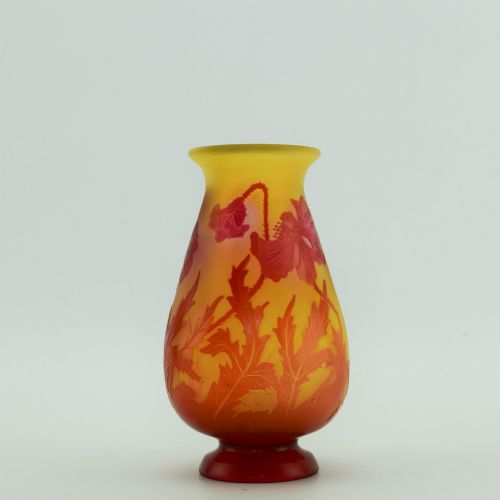
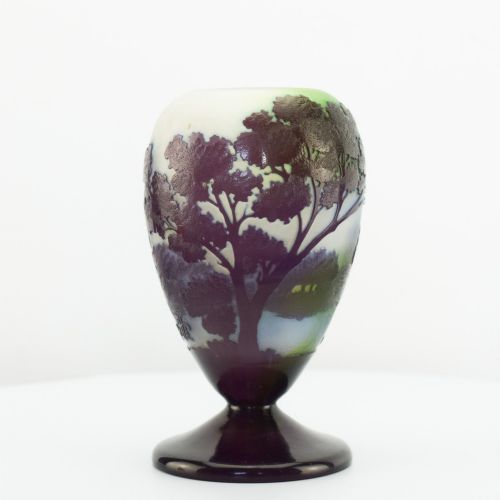
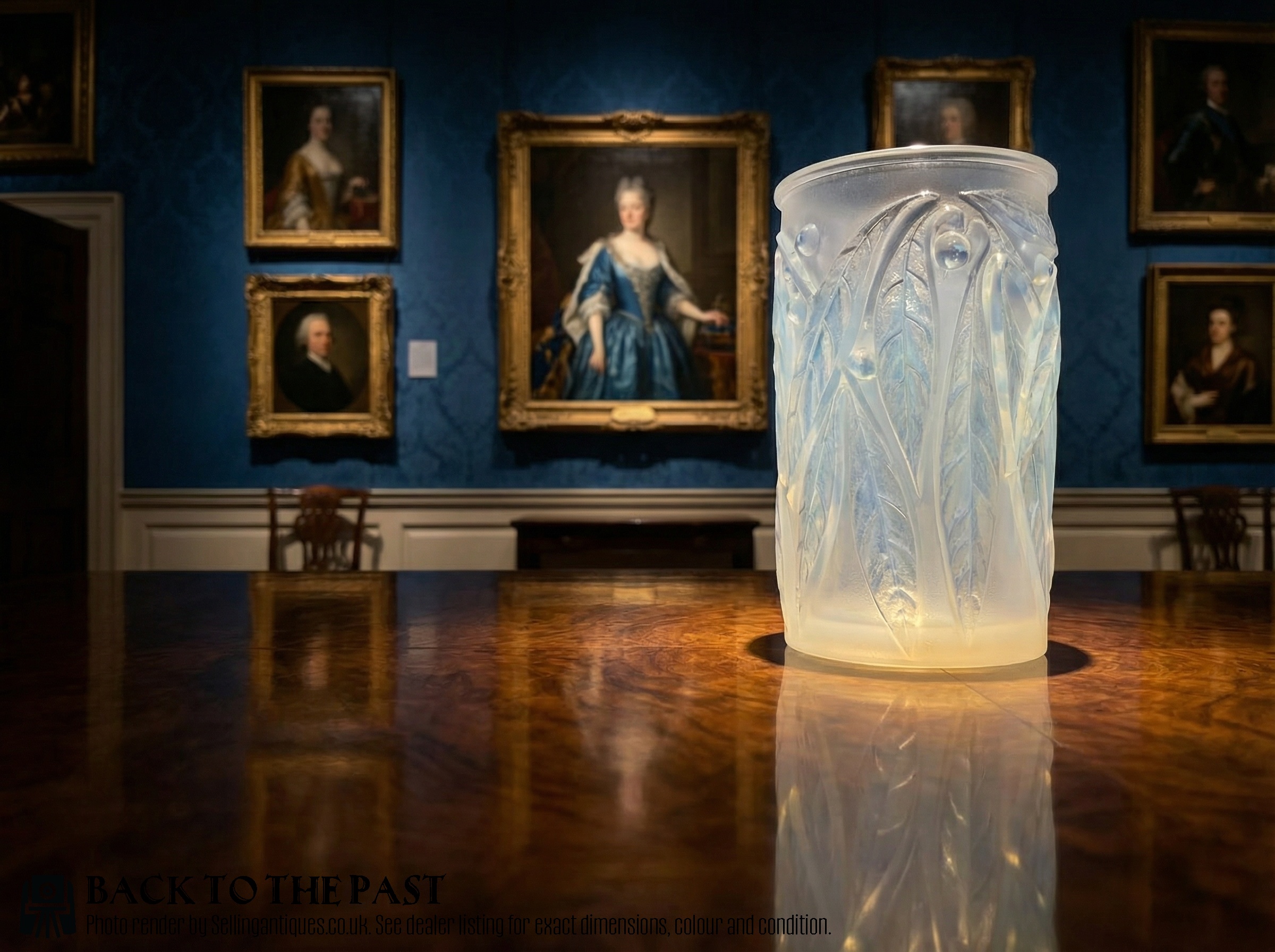
A 1920s glass vase brings the distinct lines of Art Deco and Art Nouveau into a room through luminous colour and form.
1920s Glass Vase
When you search for a 1920s glass vase, you encounter vessels shaped by notable makers during a period of immense artistic experimentation. The pieces appearing here span the 1920 period primarily, with occasional examples from the Victorian era and the 1930 decade.
Vases dominate this selection alongside decorative bowls, reflecting the interior tastes of the era. The stylistic language divides between the organic curves of Art Nouveau and the geometric symmetry of Art Deco.
Most examples originate from French and British workshops, showcasing prominent signatures and distinctive regional techniques. Collectors search for these specific forms to anchor a room with period authenticity and tactile presence.
Materials and methods
Makers utilised diverse glass treatments, including cameo glass, opalescent glass, frosted glass, acid-etched glass, etched glass, moulded glass, clear glass, and blown glass. These varied states allowed artisans to manipulate light and texture across the body of each vessel.
Complex techniques such as multi-layered cameo carving and acid-etching defined the output of prominent French glasshouses. Other pieces relied on mould-pressing and opalescent staining to achieve milky translucence and deep blue highlights.
Selected works integrated mixed media, pairing heavy crystal or cameo vessels with wrought iron mounts and handles. This combination of glass and metal reinforced the architectural strength of Art Deco design.
Materials seen across these listings include cameo, opalescent, frosted, acid-etched, moulded, clear, and blown glass.
Distinctions in quality
The degree of artistic ambition separates ordinary production from exceptional output in these vessels. Master glassmakers achieved depth in cameo carving through precise control over multiple coloured glass layers.
Clarity of execution in mould-pressed opalescent pieces determines the sharpness of the relief and the quality of the milky blue glow. Heavy crystal vessels derive distinction from substantial weight, pristine execution, and confident handling of scale.
Signatures and factory marks confirm authorship and elevate historical significance. The integration of metalwork mounts in wrought iron demonstrates the collaborative skill behind the finished object.
Rene Lalique·Emile Galle·Thomas Webb and Sons·Schneider·Venini
The 1920s Glass Vase Glossary
- Cameo glass
- A vessel formed of two or more fused layers of contrasting colours, where portions of the outer layer are carved away to reveal the design. This technique requires immense patience and steady hands.
- Opalescent glass
- A type of glass that appears milky white in transmitted light but develops a warm blue or amber glow when viewed with reflected light. It was a favourite medium for moulded decorative pieces.
- Acid-etched glass
- A method where acid is applied to eat away the surface of the glass, creating frosted textures or shallow relief patterns. It allows for precise control over decorative motifs.
- Blown glass
- Molten glass inflated through a blowpipe into a desired shape, either freehand or within a mould. This traditional method results in unique walls and subtle internal variations.
- Wrought iron
- Hand-forged iron worked by a blacksmith into decorative mounts, stands, or handles fitted to glass vessels. It provides a sturdy industrial contrast to fragile crystal.
1920s Glass Vase: Frequently Asked Questions
How do I identify a 1920s glass vase?
Examine the vessel for distinct characteristics of Art Deco or Art Nouveau design, alongside signature markings from known glasshouses. The presence of techniques like multi-layered cameo carving or opalescent moulding often points directly to this era.
Compare the form and weight of the piece against authenticated examples from the same period. Material treatments such as acid-etching and frosted finishes provide further clues to dating.
What is opalescent glass?
Opalescent glass contains chemical agents that scatter light, creating a milky appearance with characteristic blue or amber highlights. When light hits the surface, parts of the glass seem to glow from within.
This property made it exceptionally popular for moulded vases and bowls during the early twentieth century. Makers utilised it to accentuate low-relief botanical or geometric motifs.
How were cameo glass vases made?
Cameo glass vases were produced by fusing multiple layers of different coloured glass together into a single blank. Artisans then carved away the exterior layers by hand or with acid to leave the design standing in relief.
This painstaking process demanded exceptional skill to avoid breaching the background layer. The resulting contrast in colour created dramatic pictorial depth.
Can I use these vases for fresh flowers?
Many collectors prefer to display these pieces empty to preserve their fragile surfaces and historical integrity. Water minerals and accidental knocks during arrangement can pose risks to antique glass.
If you do use them for stems, handle them with extreme care and avoid abrasive cleaning tools. Rinsing gently with lukewarm water is sufficient for maintenance.