


Collectible Art Glass
These collectible art glass pieces bring together the distinct craftsmanship of the early twentieth century, spanning delicate scent bottles to bold vases.
Collectible Art Glass
Collectible art glass spans decorative objects created across the late nineteenth and early twentieth centuries, with a strong representation of vases, perfume bottles, and paperweights. Pieces originate from prominent European makers working in distinct periods from the eighteen-nineties through the nineteen-thirties.
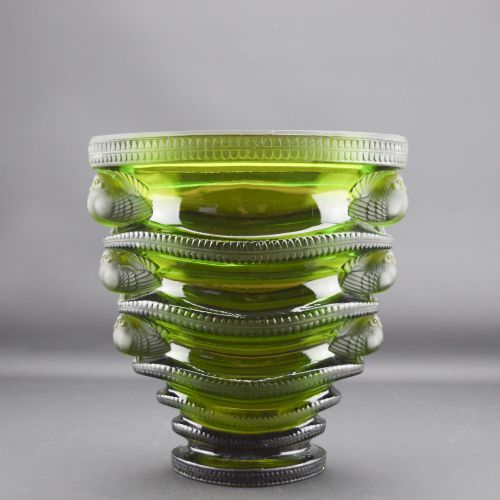
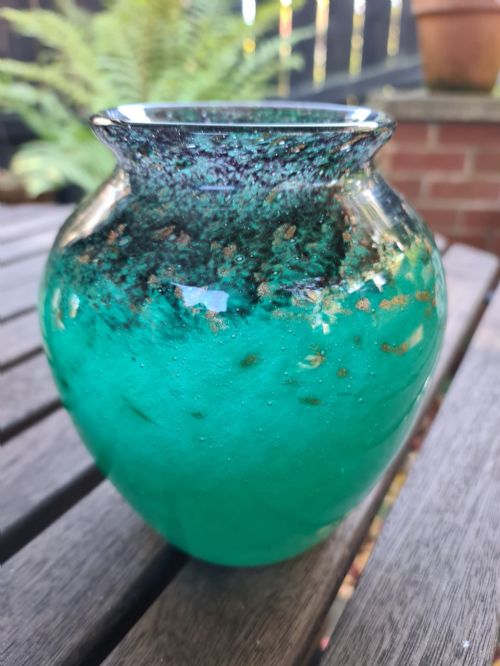
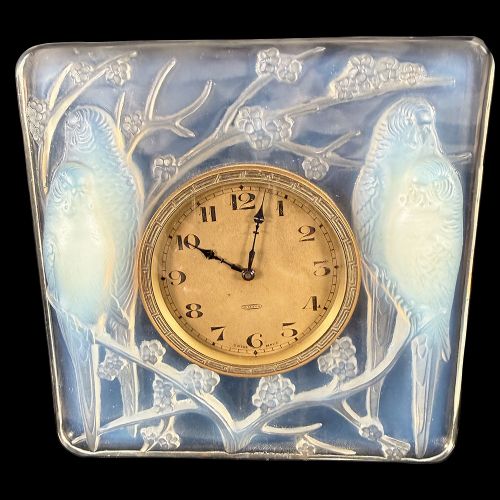
Vases and scent bottles take central place among the forms available, often displaying the characteristic motifs of Art Nouveau and Art Deco styles. Buyers encounter everything from opalescent bowls to moulded plates and sculptural paperweights.
The selection reflects specific regional traditions, notably French studio output and Italian paperweights, alongside distinct decorative objects produced during the interwar years.
Materials and Technique
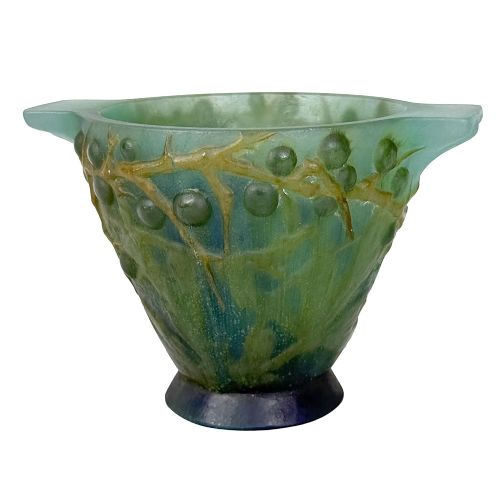
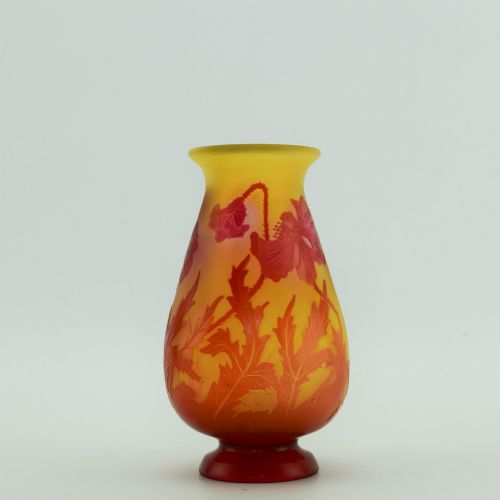
Makers utilised various glass techniques including cameo layering, acid-etching, and pate de verre to build surface depth and texture. Frosted, clear, and opalescent glass serve as standard foundations for moulded and blown forms.
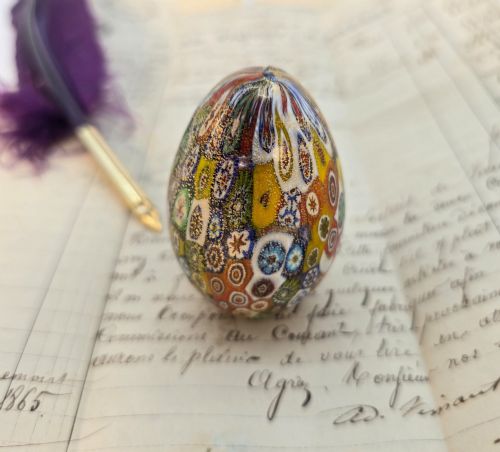
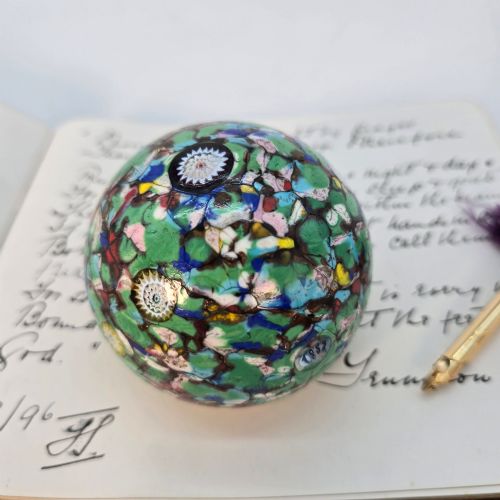
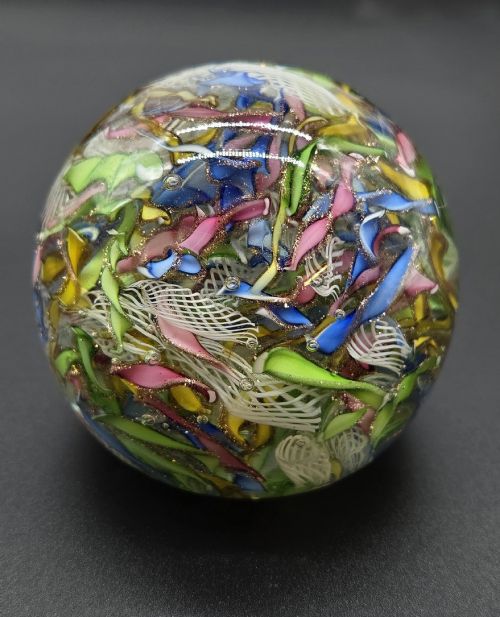
Enamel and coloured staining frequently highlight intricate designs on vases and perfume bottles, while millefiori methods define dense decorative paperweights.
The listings span frosted, opalescent, cameo, and acid-etched glass across Art Nouveau and Art Deco periods.
Standards of Execution
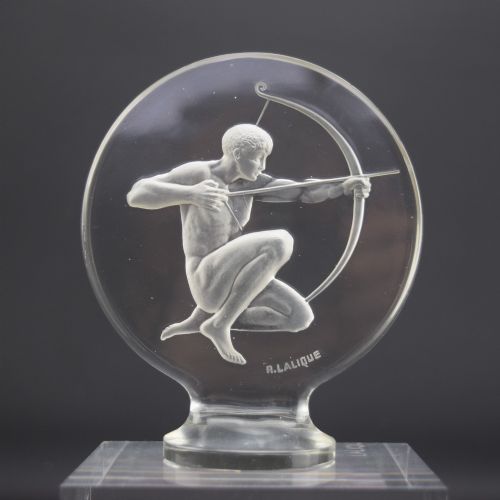
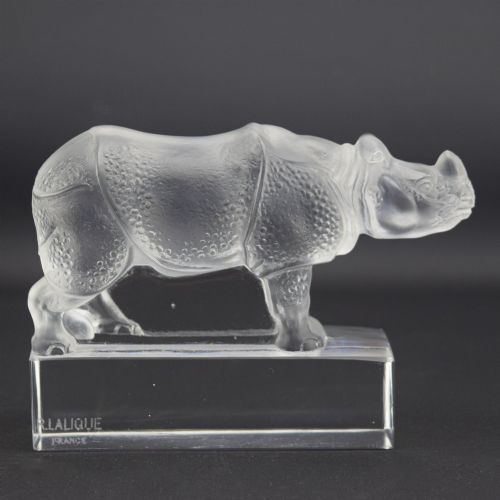
Quality rests in the crispness of the moulded relief and the precision of the acid-etching or cameo carving. Stronger examples display deliberate control over colour contrast and opacity within the glass body.
The sophistication of the design execution and the clarity of signature marks distinguish standard production wares from the finest studio achievements.
Rene Lalique·Daum Freres·Galle·Amalric Walter·Vasart Glass
The Collectible Art Glass Glossary
- Cameo Glass
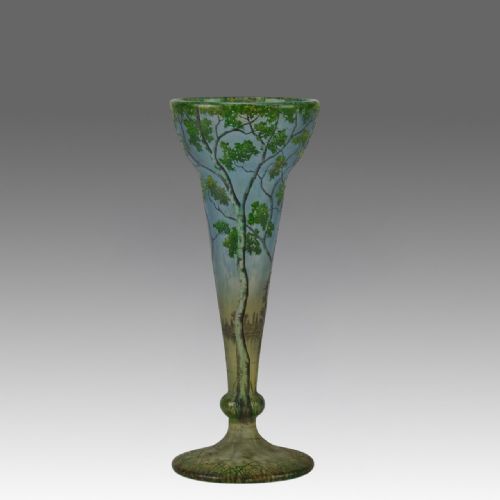
- Glass vessels formed with multiple layers of different coloured glass that are carved or acid-etched to create a raised design. This technique requires considerable skill to expose the contrasting background without damaging the primary motif.
- Pate de Verre
- A form of kiln-cast glass created by packing finely crushed glass paste into a mould and firing it until fused. The resulting objects possess a characteristic granular texture and dense colour.
- Millefiori
- A glasswork technique involving multidimensional coloured patterns created by cross-sections of glass canes. It appears frequently in traditional decorative paperweights.
Collectible Art Glass: Frequently Asked Questions
How do I identify Art Deco art glass?
Art Deco pieces generally feature geometric patterns, stylised floral motifs, and symmetrical moulded forms typical of the nineteen-twenties and nineteen-thirties.
They rely on clear, frosted, or opalescent glass rather than the fluid, organic curves seen in earlier nineteenth-century styles.
Where are signature marks usually located?
Signatures appear etched, moulded, or enamelled directly onto the base, lower edge, or side of the vessel depending on the maker.
Examining these marks under magnification helps confirm the manufacturing period and origin.
What is cameo glass?
Cameo glass involves layered coloured glass where the outer strata are carved away to reveal a contrasting design beneath.
This labour-intensive method creates distinct depth and tonal separation across the surface.
How should I display art glass safely?
Display these pieces on stable, flat surfaces away from direct sunlight and high-traffic areas where they might be knocked.
Adequate interior shelf lighting enhances the translucent qualities of opalescent and cameo vessels.