


Pressed Glass Centrepiece
A pressed glass centrepiece brings substance and light to a table, combining durable metal-moulded forms with striking opalescent or frosted finishes.
Pressed Glass Centrepiece
A pressed glass centrepiece takes the form of decorative bowls, vases, punch bowls, tazzas, and glass glassware designed to anchor a room or table setting. When searching for a pressed glass centrepiece, buyers encounter robust decorative bowls and footed vessels created during the early twentieth century.
The pieces on offer span the Edwardian era, 1920, and 1930 periods, capturing the distinct shift from traditional floral ornamentation to the geometric rigour of the Art Deco style. Makers utilised mechanised press-moulding techniques to produce weighty table objects that emulate hand-cut crystal at a broader scale.
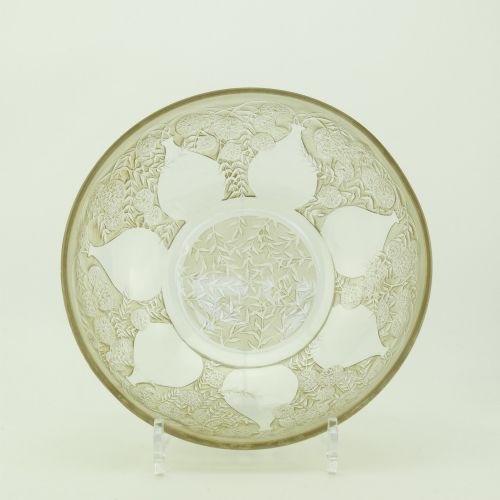
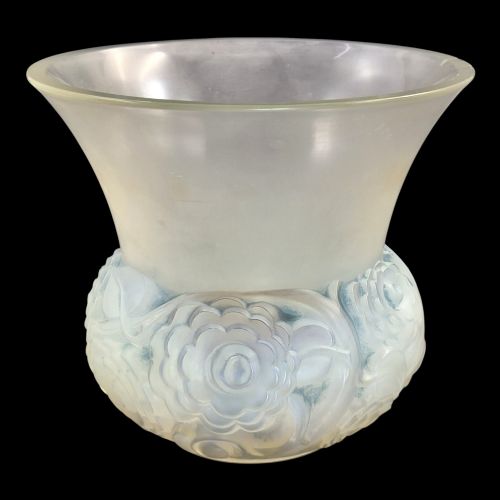
Most examples appear as clear, frosted, or opalescent glass bowls featuring moulded floral motifs or architectural lines. These items served as functional table vessels for fruit, flowers, or punch, doubling as sculptural centrepieces for domestic display.
How they were made
Production relied upon molten glass forced into metal moulds using a mechanical plunger, creating sharp exterior patterns while leaving interior surfaces smooth. This press-moulded method allowed workshops to replicate intricate designs across multiple items with consistent wall thicknesses.
Makers introduced specific chemical agents into the molten batch to achieve opalescent effects that catch blue and amber light depending on the angle of illumination. Frosted and clear finishes were subsequently polished or acid-etched to accentuate the relief of moulded floral heads and geometric borders.
Early twentieth-century makers even pressed glass into spooky pumpkin shapes for seasonal punch bowls.
What varies in quality
Quality rests in the crispness of the moulded relief and the depth of the opalescent fire within the material. Superior pieces display sharply defined botanical or geometric motifs where the mould seams are expertly polished away.
The weight and clarity of the glass itself separate standard utilitarian wares from masterworks designed by prominent artists. Heavier vessels with vibrant opalescent depth and balanced proportions command greater visual presence on a dining table.
Rene Lalique·JOBLING OPALIQUE·Etling
The Pressed Glass Centrepiece Glossary
- Opalescent Glass
- Glass that diffuses light to display a milky blue or amber glow, typically concentrated on the raised relief of moulded patterns.
- Tazza
- A shallow ornamental bowl raised upon a central foot or pedestal, frequently utilised for serving fruit or sweets.
- Press-Moulded Glass
- Glassware formed by pressing molten metal into a prepared iron or steel mould with a mechanical plunger.
- Art Deco
- A design style spanning the 1920s and 1930s characterised by stylised florals, symmetry, and geometric abstraction.
Pressed Glass Centrepiece: Frequently Asked Questions
How do I style a pressed glass centrepiece?
Place the bowl or tazza in the centre of a dining table or sideboard where natural light can strike the glass surface. Let the piece stand alone to highlight the moulded relief and opalescent glow without visual clutter.
Pair the vessel with simple table runners or low-profile floral arrangements that do not obscure the craftsmanship of the glass body. Ensure the surrounding lighting enhances the frosted or clear finishes.
How do I clean antique pressed glass?
Wash the glass gently in warm water using a mild, non-abrasive detergent and a soft cloth. Avoid harsh scrubbing brushes that might scratch the delicate frosted or opalescent surfaces.
Dry the piece immediately with a lint-free cloth to prevent water spots from clouding the clear or moulded details.
How can I date my centrepiece?
Examine the stylistic markers, such as whether the piece exhibits Edwardian floral naturalism or the sharp geometry typical of 1920 and 1930 Art Deco designs. Moulded registration numbers or maker signatures on the base provide further chronological clues.
Compare the weight, glass tone, and manufacturing technique against documented examples from the same period to narrow down the decade of production.