


1920s Lalique Bowl
A 1920s lalique bowl brings tactile Art Deco design into a room through opalescent and frosted glass shaped by master technique.
1920s Lalique Bowl
A 1920s lalique bowl represents the decorative glassware output of the period, appearing across forms such as decorative bowls, plates, and footed bowls. These pieces emerge predominantly from the 1920s and 1930s, reflecting the Art Deco style that defined the era.
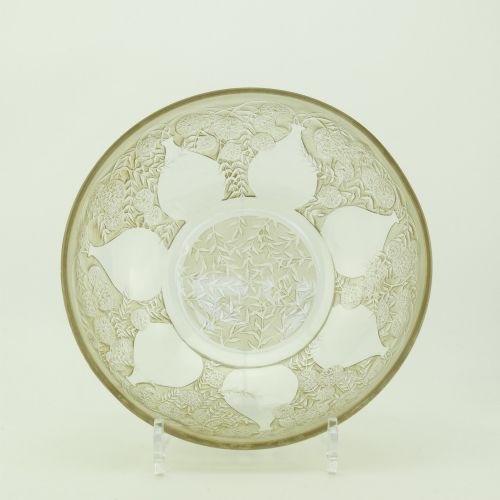
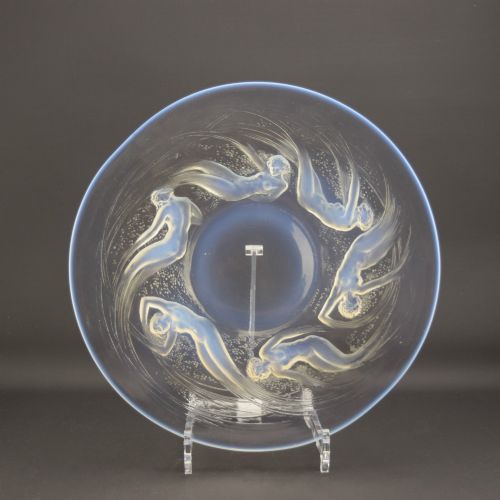
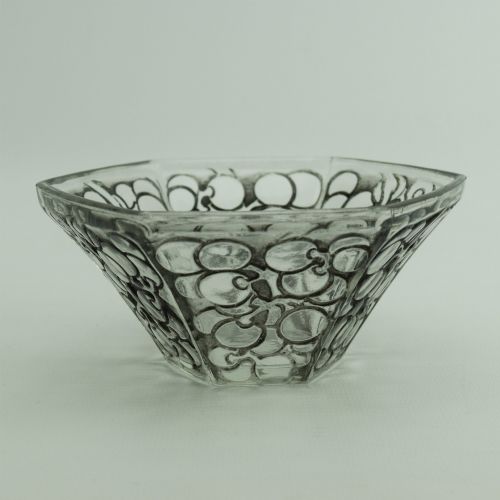
Makers designed these objects to function as decorative glassware, utilising named models like Ondines, Raisins, Montdore, Lys, Jaffa, Volubilis, Dahlias, Cacao, Martigues, Poissons, and Asters. The selection on this page shows both large and standard sizes intended for display.
How they were made
Glassmakers utilised moulded and pressed techniques to shape the material into distinct botanical and figurative motifs, including flower heads and aquatic forms. The manufacturing process incorporated clear, amber, and frosted finishes.
Production frequently involved opalescent and patinated glass, creating the characteristic play of light across the surface of each bowl and plate. This treatment highlights the relief details moulded into the glass body.
1920s Lalique Bowl Retail Price Guide 2026
Typical asking prices for 1920s lalique bowl among the pieces listed under this phrase on Sellingantiques today, from the lower quarter to the upper quarter. They describe what is for sale here now, not the wider market.
Listings span the 1920s and 1930s periods, featuring Art Deco forms created in opalescent, frosted, pressed, and clear glass.
What varies in quality
The degree of opalescence and the clarity of the patination shape the visual impact of an example, distinguishing flat surfaces from those with depth. Subtlety in the contrast between frosted recesses and clear highlights defines the better specimens.
The crispness of the moulded relief, such as the petals on a Lys bowl or the fish on a Poissons piece, determines the sharpness of the design. Greater definition in these pressed details separates standard production from finer work.
Rene Lalique
The 1920s Lalique Bowl Glossary
- Opalescent Glass
- Glass that diffuses light to display a milky, milky-blue or fire-like shimmer across its surface. This effect shifts according to the angle of illumination.
- Patinated Glass
- Glass treated with pigment or staining in the recessed areas to accentuate the moulded design. This technique adds contrast to the surrounding frosted or clear material.
- Moulded Glass
- Glass shaped by being pressed or blown into a prepared mould rather than free-blown. It allows for consistent repetition of complex decorative motifs.
- Art Deco
- The dominant design style of the 1920s and 1930s characterised by stylized floral patterns and symmetrical geometry. It informs the form and ornamentation of these glass bowls.
1920s Lalique Bowl: Frequently Asked Questions
How do I identify a Lalique bowl?
Look for characteristic Art Deco motifs such as fish, flora, or aquatic figures combined with opalescent or frosted finishes.
The glass utilises specific named models like Lys or Ondines that connect the piece to documented production periods.
What colours do these bowls come in?
The pieces appear in clear glass, amber glass, and standard opalescent finishes.
Surface treatments like patination also introduce contrasting tones into the moulded recesses of the glass.
Where were these bowls made?
These decorative glass items originate from the workshops and production lines of Rene Lalique.
They date primarily from the interwar period of the 1920s and 1930s.
How should I display a glass bowl?
Place the piece where light can pass through the opalescent or frosted surfaces to activate the glass.
Positioning the bowl on a flat surface away from busy backgrounds allows the moulded relief to catch the illumination.