




Vintage French Glassware
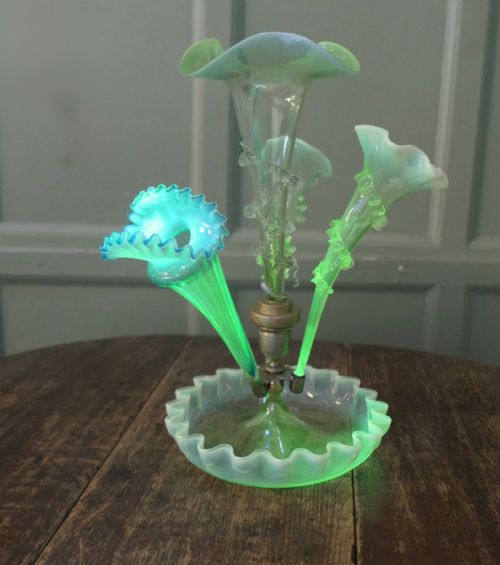
These vintage french glassware pieces bring tactile elegance to a room, spanning delicate Victorian epergnes and bold Art Deco vases.
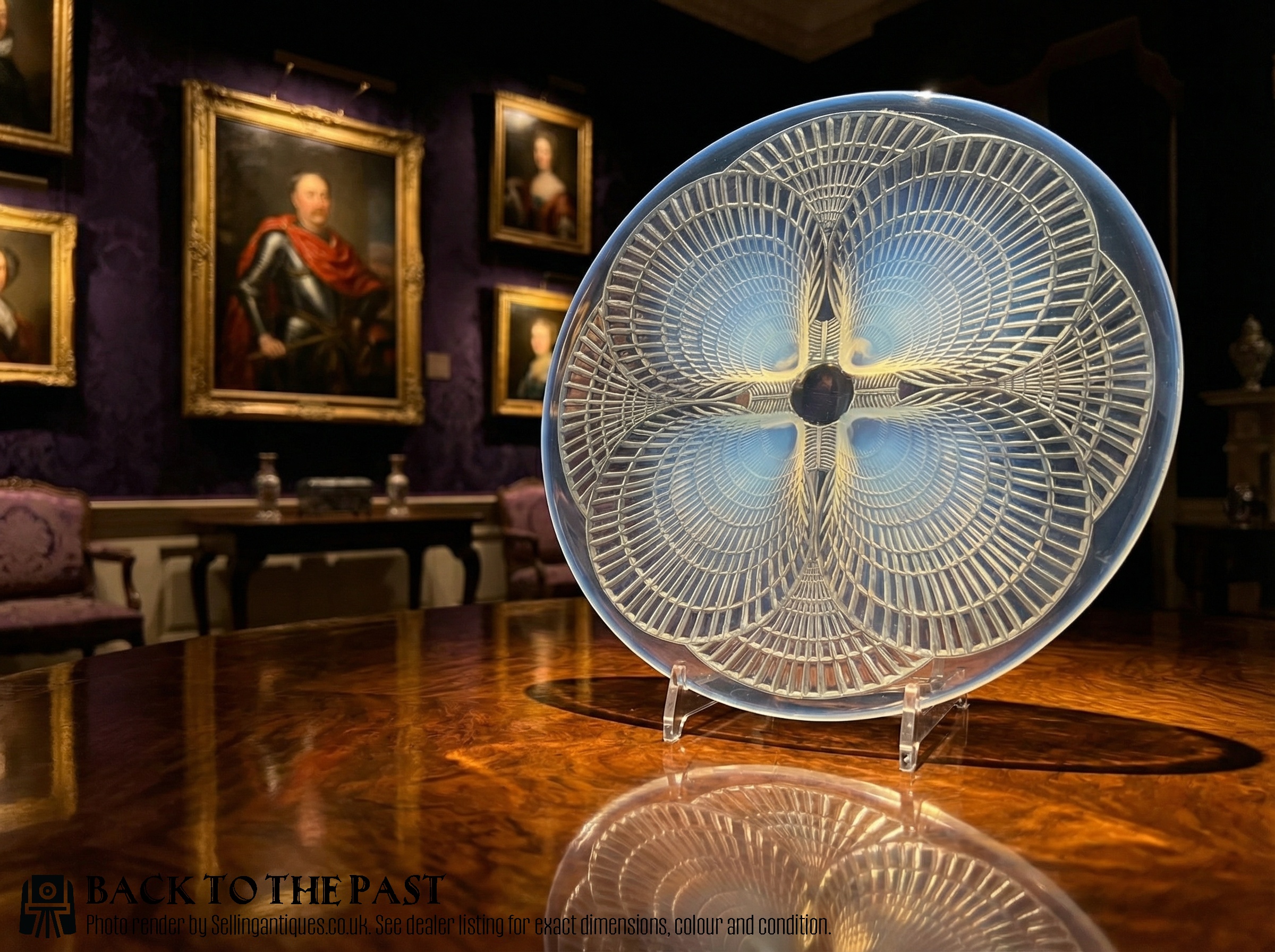
Vintage French Glassware
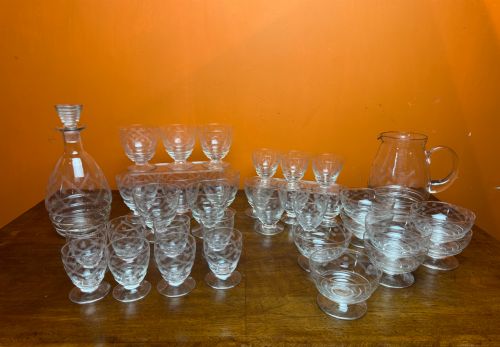
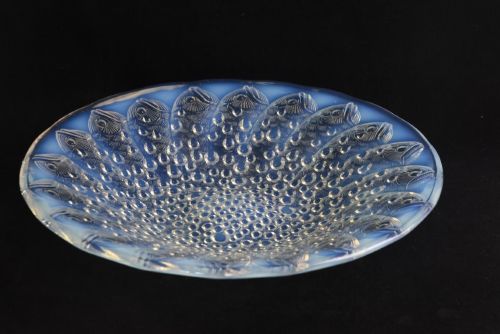
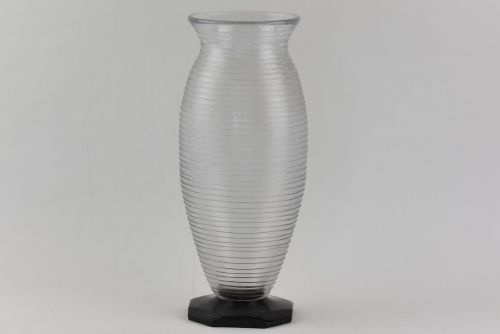
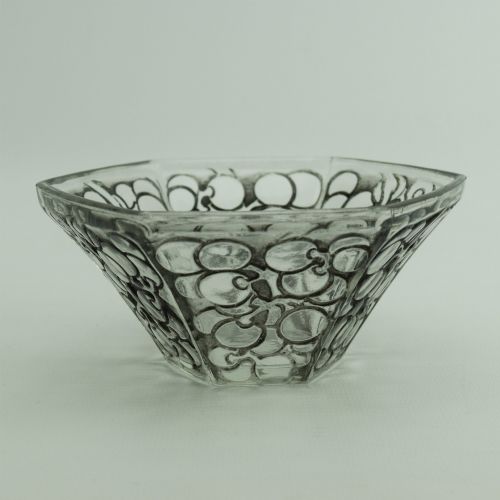
When buyers search for vintage french glassware, they encounter everything from nineteenth-century decanters and opaline vases to twentieth-century moulded bowls, drinking sets, and decorative plates. The selection on this page leans heavily toward twentieth-century production, particularly Art Deco and Art Nouveau creations featuring distinctive sculptural forms.
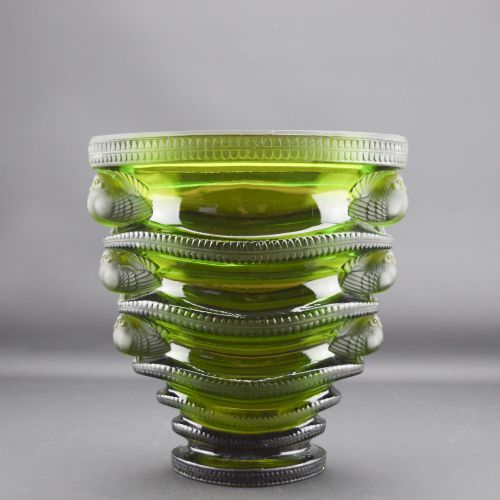
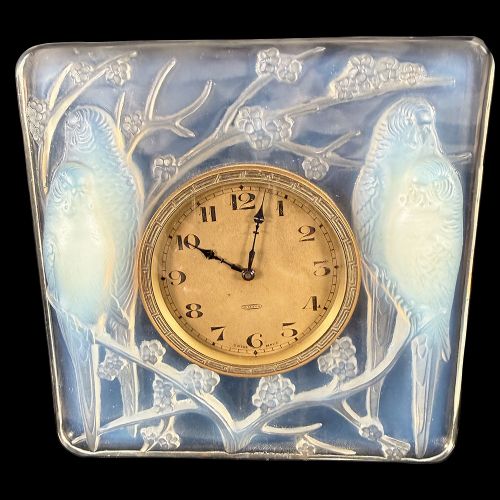
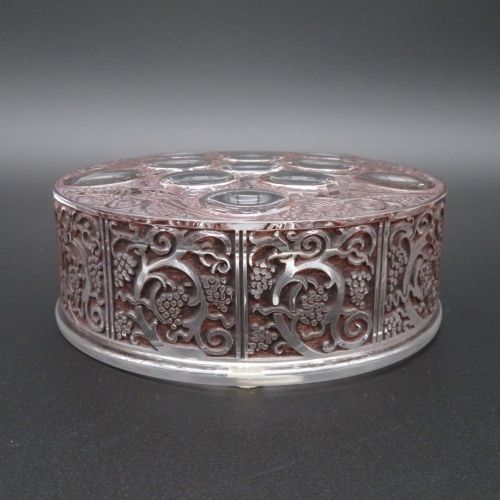
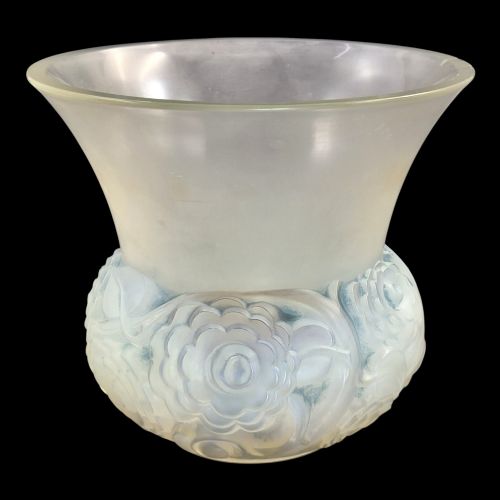
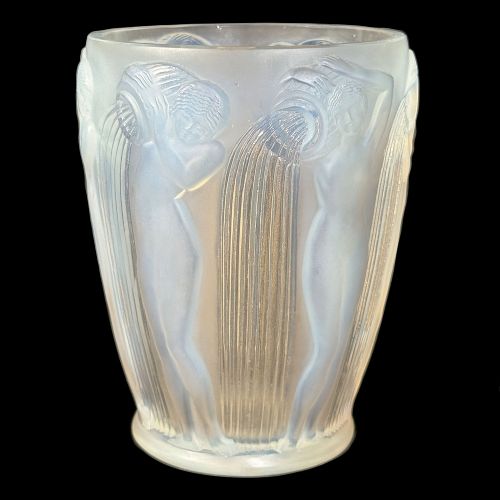
Vases, powder boxes, clocks, and ashtrays dominate the forms, alongside substantial suites of drinking glasses and champagne buckets. Pieces often integrate decorative subjects such as flora, fauna, and figures into the very shape of the glass.
The aesthetic vocabulary shifts across the decades represented here. Earlier items draw upon Victorian, French Rococo Revival, and French Empire traditions, whilst later examples embrace the clean lines and stylised motifs of Art Deco.
Materials and production methods
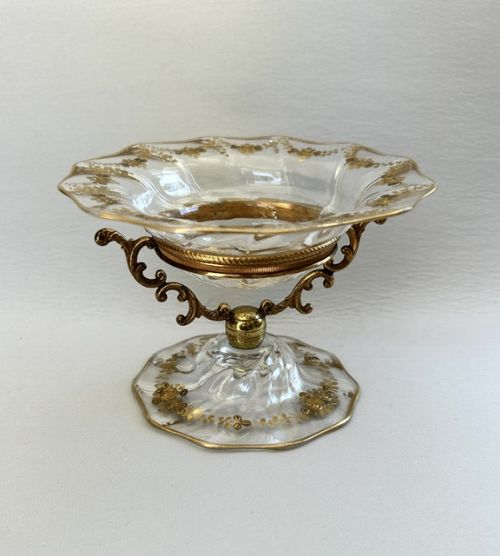
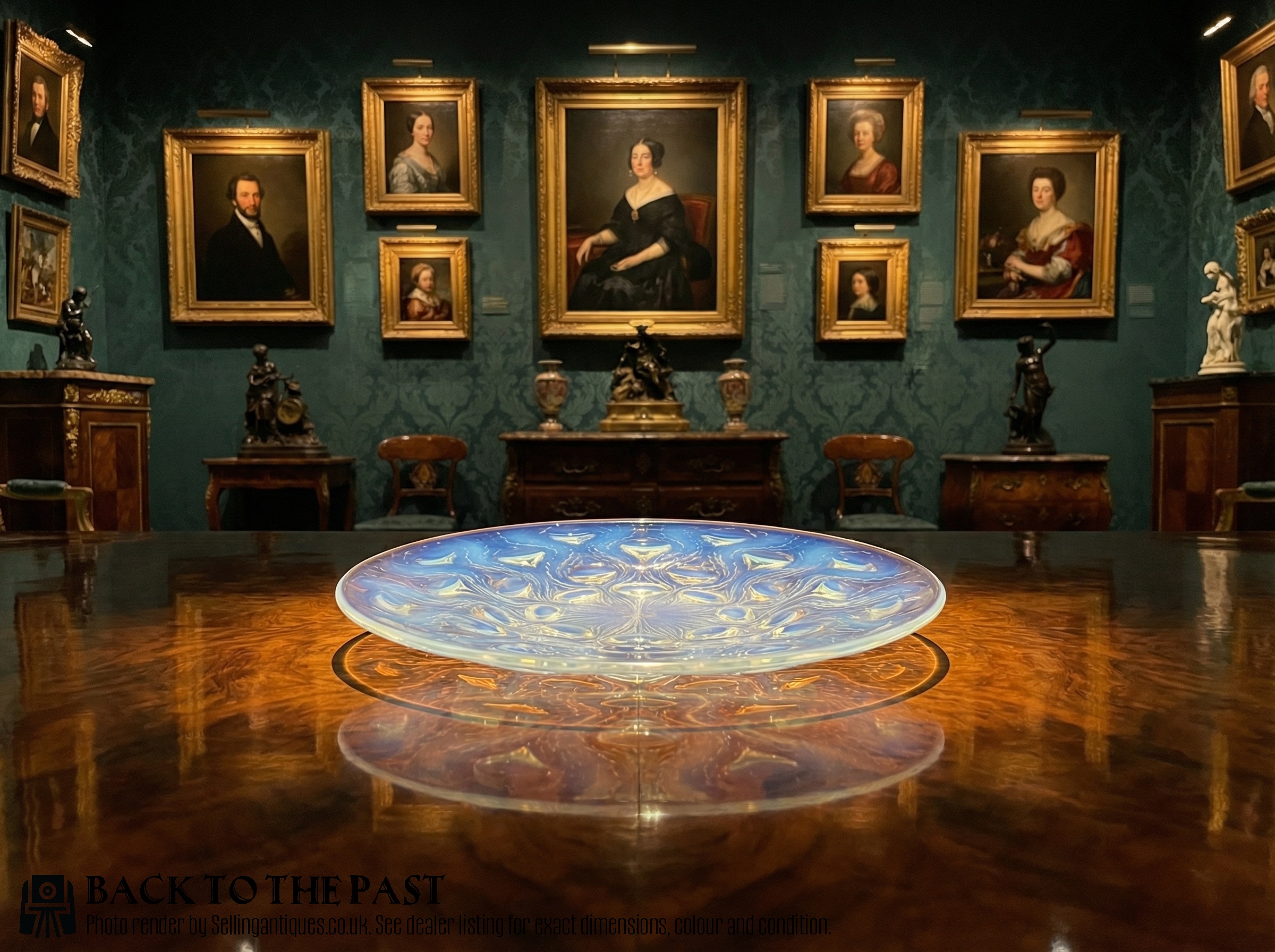
Makers utilised a range of glass types, including clear, frosted, opaline, cameo, and crystal. Moulded and pressed techniques allowed for high relief work and consistent shapes, while hand-blown methods produced individual vessels like epergnes and cider decanters.
Surface finish added depth through staining, enamelling, or cameo carving, where layers of coloured glass were etched away to reveal contrasting designs. Metal mounts in ormolu or wrought iron frequently supported or framed the glass bodies.
Vintage French Glassware Retail Price Guide 2026
Typical asking prices for vintage french glassware among the pieces listed under this phrase on Sellingantiques today, from the lower quarter to the upper quarter. They describe what is for sale here now, not the wider market.
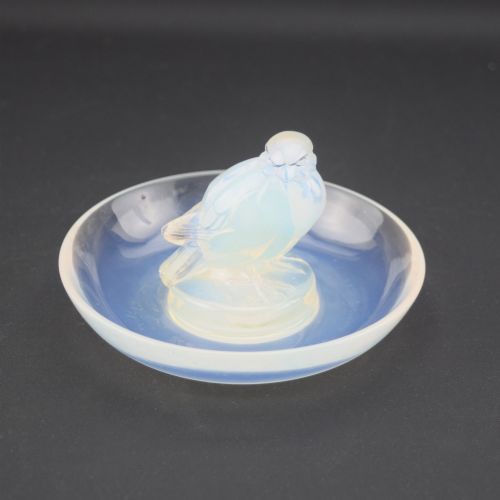
Several items double as miniature menagerie exhibits, featuring glass love birds, fish, and hunting dogs frozen in perpetual stillness.
Assessing quality in glassware
Quality rests in the crispness of the moulding, the subtlety of the frosting or opalescent glow, and the precision of any manual finishing such as staining or engraving. Superior pieces display harmonious proportions and seamless integration between metalwork mounts and glass elements.
The reputation of the designer and the execution of intricate details, from botanical motifs to figurative reliefs, distinguish exceptional examples from standard production wares.
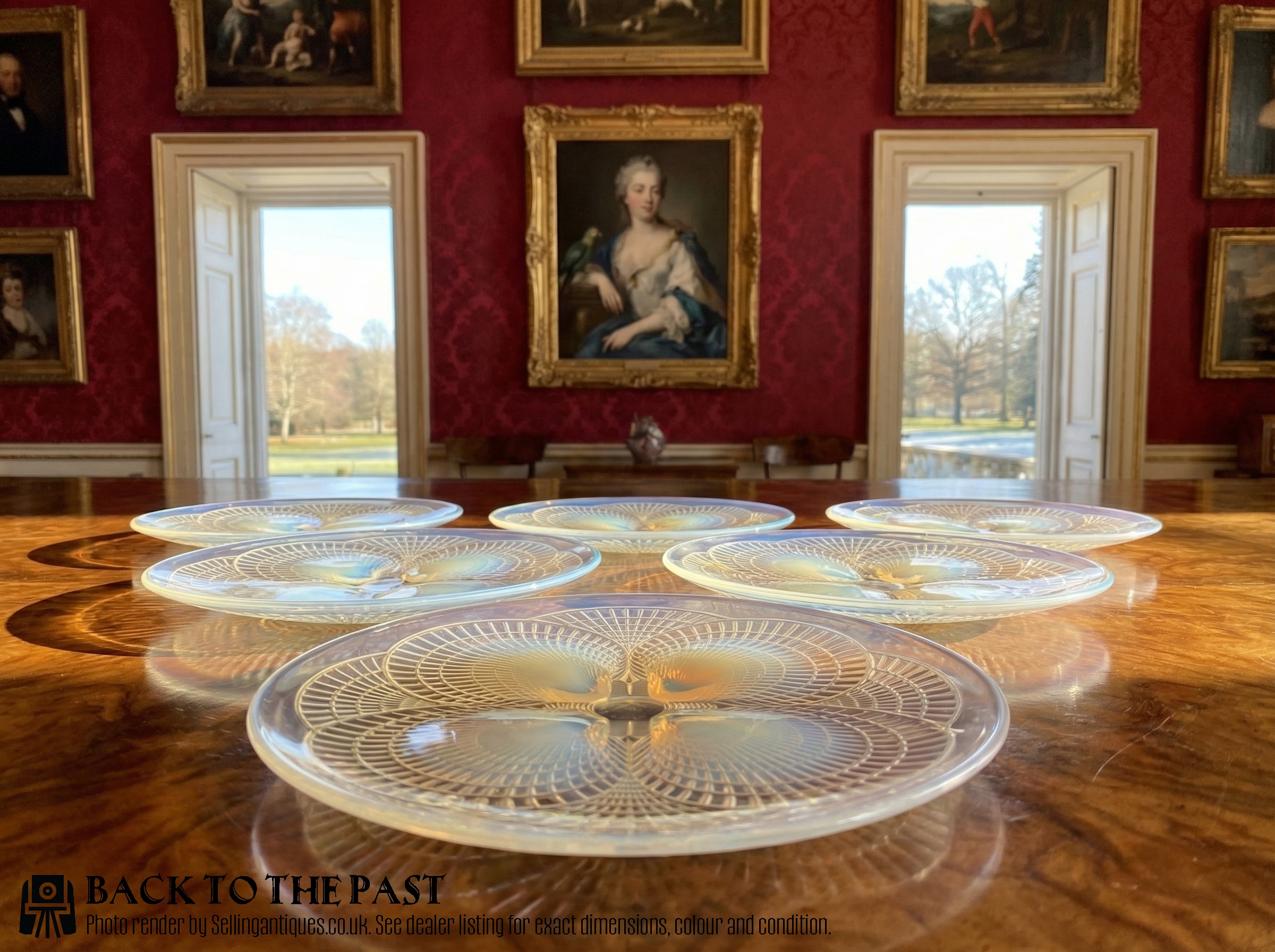
Rene Lalique·Gallé·Schneider·Le Verre Francais·Saint-Louis·Baccarat·Daum
The Vintage French Glassware Glossary
- Opalescent Glass
- Glass that diffuses light to display a milky, translucent quality with shifting blue or amber tones. It became a hallmark of decorative twentieth-century design.
- Cameo Glass
- Vessels constructed in two or more distinct glass layers, where the outer layer is carved or acid-etched away to create a raised design against a contrasting background.
- Epergne
- A centrepiece stand featuring multiple branching trumpets or dishes, traditionally used for holding fruit, flowers, or sweetmeats.
- Opaline Glass
- An opaque or semi-opaque glass popular in nineteenth-century France, often tinted in soft pastel shades and finished with gilt or floral decorations.
- Ormolu
- Finely chased and gilded bronze used for mounts, stands, and decorative hardware on glassware and ceramics.
Vintage French Glassware: Frequently Asked Questions
How do I clean vintage french glassware?
Wash pieces gently by hand in lukewarm water using mild detergent. Avoid abrasive sponges or harsh chemicals that can damage frosted surfaces or delicate staining.
Dry immediately with a soft, lint-free cloth to prevent water spots, and take care around mounted metal or delicate handles during handling.
Are these glass items suitable for daily use?
Drinking glasses and decanters function well for entertaining, provided they receive careful hand washing. Decorative bowls, vases, and powder boxes suit display purposes rather than heavy utility.
Items with intricate surface staining or delicate cameo relief require gentle placement away from high-traffic household areas.
How can I date opalescent glass pieces?
Dating relies on stylistic markers, signature formats, and manufacturing techniques. Turn-of-the-century items often show Art Nouveau botanical influences, whilst interwar pieces display geometric Art Deco styling.
Examining base signatures, registry marks, and the weight of the glass provides further clues to the manufacturing decade.
What is the difference between cameo and opalescent glass?
Cameo glass involves layered coloured glass carved down to form a contrasting relief design. Opalescent glass achieves its milky, light-catching quality through chemical agents added during the manufacturing process.
While cameo relies on sculptural depth through colour contrast, opalescent glass plays with transmitted light to create shifting translucent hues.