




Art Deco Centrepiece
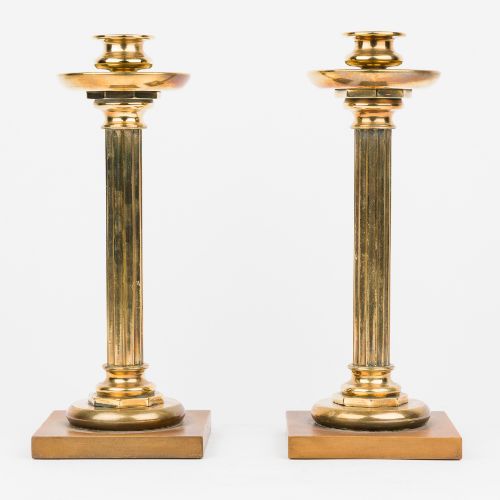
An art deco centrepiece commands the middle of the room in glass, silver, or bronze, bringing bold geometry and moulded form to the table.
Art Deco Centrepiece
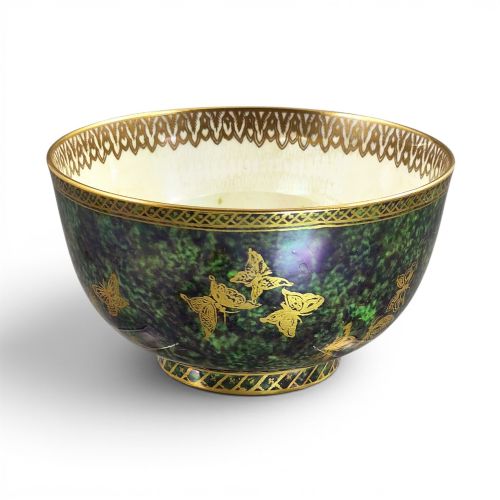
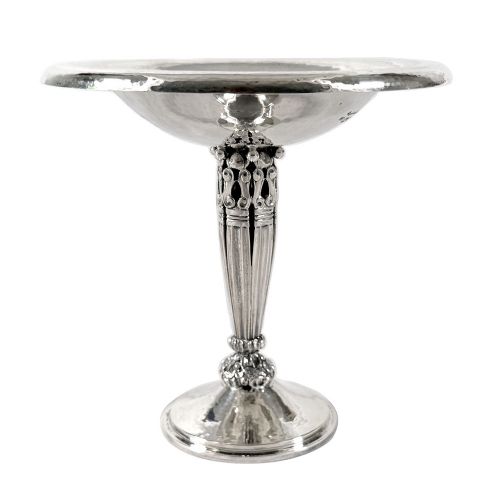
An art deco centrepiece takes the form of decorative bowls, vases, and tazzas designed to dominate a dining table or sideboard. These pieces emerge chiefly from the 1920 and 1930 decades, carrying the geometric discipline and stylised motifs typical of the period.
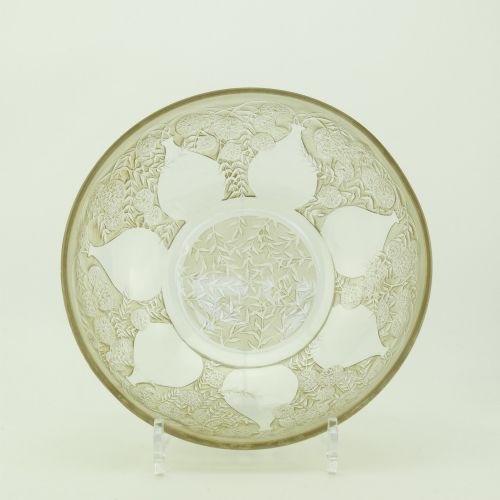
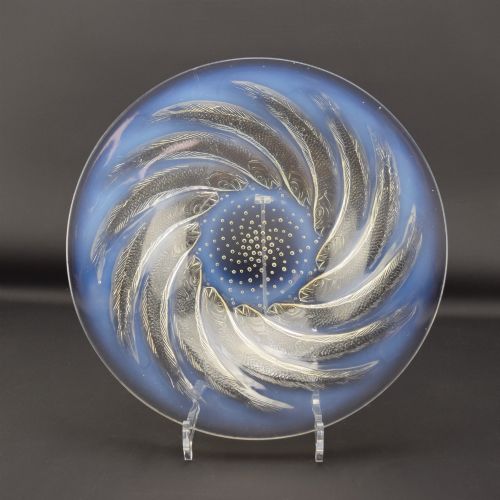
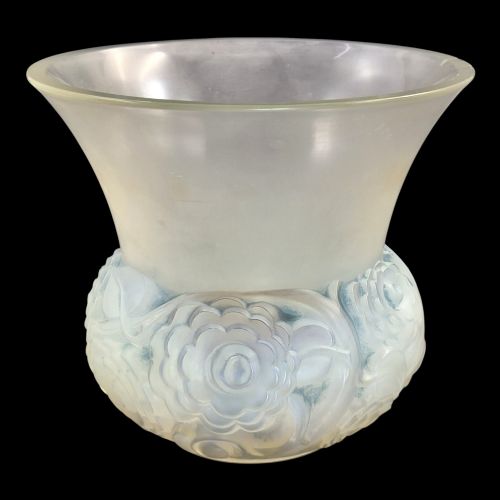
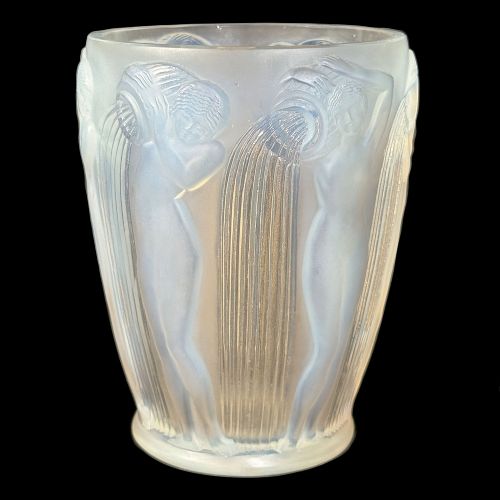
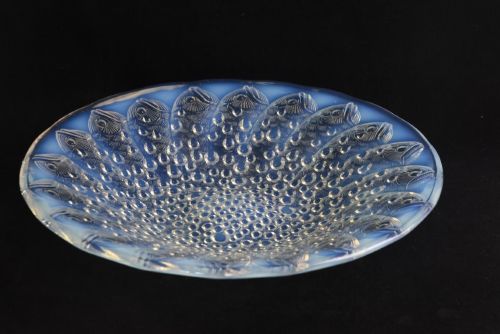
Moulded glass bowls and opalescent glass vessels dominate the available range, alongside sterling silver and silver-plated dishes with glass liners. Makers from France, Belgium, and Britain produced these items to anchor the domestic interior.
How they were made
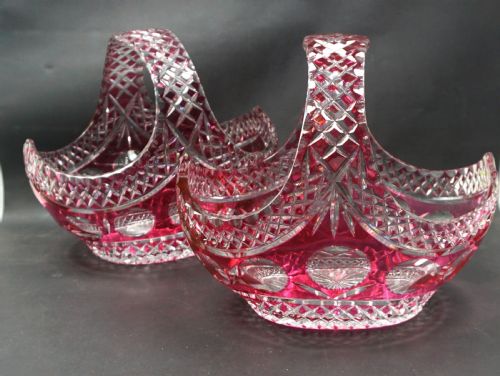
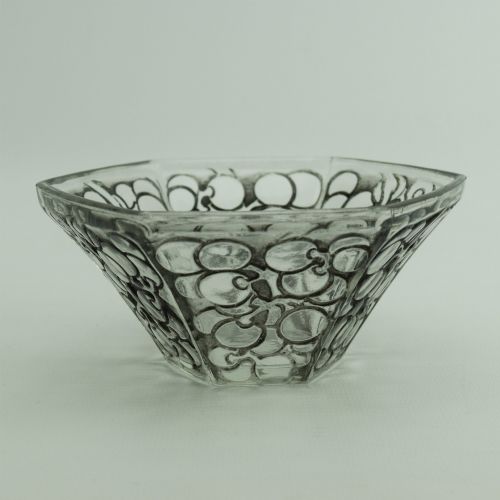
Makers utilised pressed and moulded glass techniques, often adding opalescent or frosted finishes to catch the light across low-relief floral and figural designs. Over-crystal glass involves casing coloured glass within clear layers to build depth.
Silver and bronze works combine casting with hand-finishing, while ceramic pieces rely on lustrous glazes and enamel details to achieve their vibrant surfaces.
Art Deco Centrepiece Retail Price Guide 2026
Typical asking prices for art deco centrepiece among the pieces listed under this phrase on Sellingantiques today, from the lower quarter to the upper quarter. They describe what is for sale here now, not the wider market.
A ceramic pheasant keeps watch over the glassware.
What varies in quality
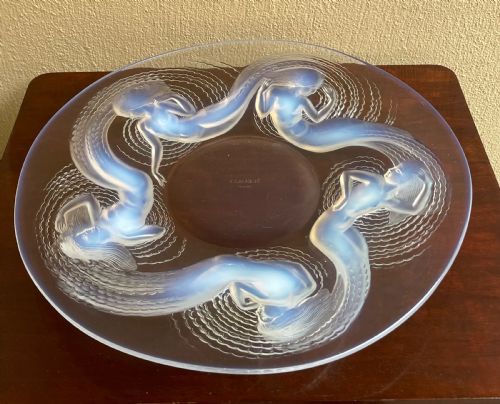
Depth of moulding and clarity of the glass separate standard production items from masterworks, particularly in opalescent pieces where the milky blue glow shifts across the relief. Crisp detail in bronze casts and heavy gauge metal in silver-plated and sterling pieces dictate the standard of execution.
Signed items bearing factory marks or designer signatures command greater attention, reflecting the oversight of notable makers and glasshouses.
Rene Lalique·Daisy Makeig-Jones·Charles Boyton·Elizabeth Graydon-Stannus·Joseph Simon·Ferdinand Preiss
The Art Deco Centrepiece Glossary
- Opalescent Glass
- Glass that diffuses light to display a milky, translucent quality with blue or amber highlights, frequently utilised by French makers.
- Tazza
- A shallow ornamental bowl or dish raised on a stem and foot, used for display or serving.
- Comport
- A large standing dish or bowl placed in the centre of a table for fruit or decoration.
- Chryselephantine
- A sculpture combining ivory and bronze, capturing figures in characteristic period poses.
- Epergne
- A central table ornament featuring multiple branching dishes, vases, or baskets.
Art Deco Centrepiece: Frequently Asked Questions
How do I clean an opalescent glass bowl?
Wash the glass gently in warm water using a mild, non-abrasive detergent and a soft cloth. Avoid harsh chemicals or scouring pads that might damage the delicate surface texture.
Dry the piece immediately with a lint-free cloth to prevent water spots from settling on the intricate relief patterns.
What is the difference between a tazza and a bowl?
A tazza stands upon a distinct stem and foot, elevating the vessel above the table surface to create vertical interest. A bowl sits directly on its base or a low foot rim.
Both serve as decorative focal points, but the tazza offers a more architectural silhouette.
How can I tell if silver plate is antique?
Inspect the base and edges for signs of wear where the underlying base metal shows through the silver layer. Maker marks and registration numbers often indicate the period of manufacture.
Weight and construction methods also distinguish older plated items from modern reproductions.
Where should I place a large centrepiece?
Position the piece in the middle of a dining table, a large sideboard, or an entrance hall console where it has ample space to be seen. Ensure it sits clear of heavy traffic to protect fragile glass edges.
Keep the surrounding area uncluttered so the form and material remain the focus of the room.