




Orange Glass Vase
An orange glass vase brings a burst of warm, vibrant tone to a room, drawing the eye with rich hues from early twentieth-century makers.
What They Are
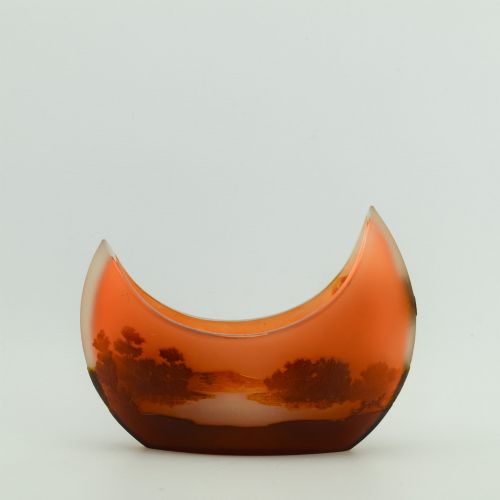
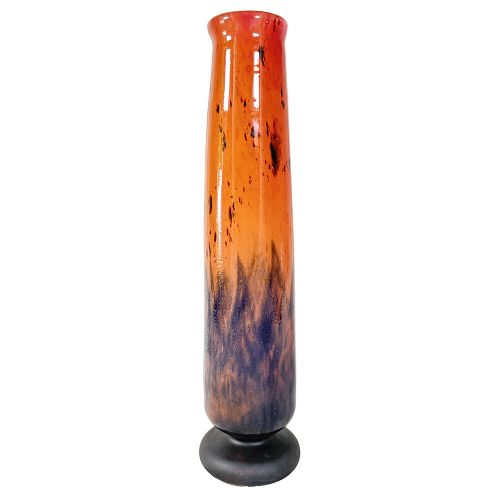
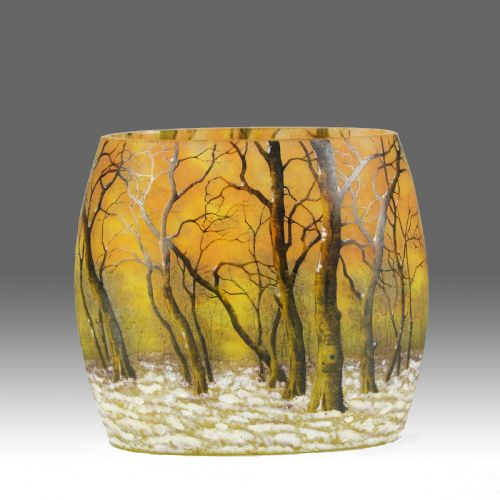
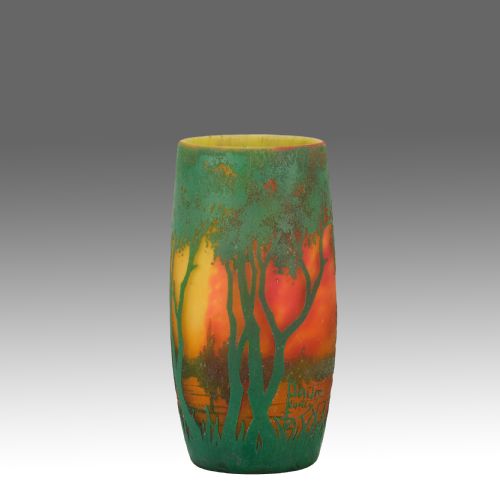
An orange glass vase is a decorative vessel produced during the early twentieth century, spanning the Art Nouveau and Art Deco periods. These pieces bring intense colour and striking silhouettes into a home, drawing on natural motifs and geometric designs.
The versions most commonly met on this page date from the nineteen hundreds, nineteen twenties, and nineteen thirties. They include cameo glass, frosted glass, and blown glass creations from prominent European glasshouses.
How They Were Made
Makers utilised hot-glass techniques such as free-blowing and casing different layers of coloured glass together. Acid-etching and cameo carving were then employed to cut through outer layers and reveal contrasting tones beneath.
Some vessels incorporated metalwork mounts, combining blown glass with wrought iron to frame the body. These mixed-media pieces required close collaboration between glassblowers and metalsmiths.
Retail Price Guide 2026
Typical UK retail prices for orange glass vase, calculated from the Sellingantiques database of over a million retail prices indexed since 2003. This retail price guide relies exclusively on Sellingantiques data; no external sources or auction records are used, so the figures do not describe the wider market.
Listings for an orange glass vase span the nineteen hundreds, nineteen twenties, and nineteen thirties across Art Nouveau and Art Deco styles.
What Varies in Quality
The distinction between standard vessels and exceptional examples lies in the depth of the glass layering and the precision of the surface carving. Finer pieces display crisp definition in acid-etched details and subtle gradients of colour.
Artisanal skill also shows in the integration of metalwork and the harmony of the overall form. Superior works maintain balanced proportions and confident execution across both glass and iron components.
Gallé·Schneider·Daum Frères·Loetz·Monart
The Orange Glass Vase Glossary
- Cameo Glass
- A vessel formed of two or more distinct layers of fused glass, where parts of the outer layer are carved away to create a raised design. This technique demands exceptional control from the artisan.
- Acid-Etched Glass
- A method where acid is applied to the surface of a vessel to eat away at the glass and create textured patterns. It produces soft, matte finishes and intricate motifs.
- Frosted Glass
- Glass treated to give a non-reflective, satin-like appearance across the surface. This finish softens the transmission of light through the orange tones.
- Blown Glass
- Molten material inflated into a bubble using a blowpipe and shaped within a mould or freehand. It forms the primary body of these vessels before any surface decoration occurs.
Frequently Asked Questions
Where should I place an orange glass vase?
Position the vessel near a natural light source to let sunlight pass through the coloured glass. A windowsill or a well-lit mantelpiece highlights the layered tones.
Keep the piece away from areas of heavy traffic where it might be knocked over or sustained to accidental bumps.
How do I identify Art Nouveau styles?
Look for organic shapes, flowing lines, and decorative motifs inspired by plants and flowers. These designs often mimic natural growth patterns.
Pieces from this period frequently feature honeysuckle or other botanical themes rendered in cameo glass.
What defines Art Deco vessels?
Art Deco pieces tend to showcase geometric precision, stylised motifs, and structured silhouettes. The focus shifts towards symmetry and bold, clean lines.
These later works often incorporate mixed materials such as wrought iron alongside the coloured glass body.