



Antique French Glassware
Antique french glassware spans delicate opaline vessels and bold cameo pieces, bringing tactile texture and colour to any room.
Antique French Glassware
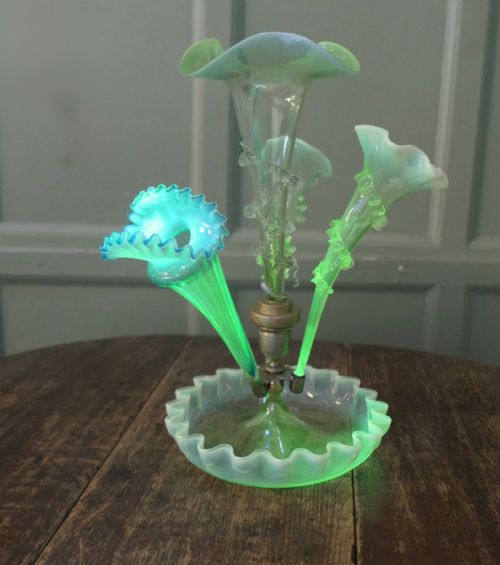
When you search for antique french glassware, you encounter a diverse array of decorative and functional objects originating from workshops and factories across France. These pieces range from Victorian epergnes and nineteenth century opaline vases to striking Art Nouveau cameo glass and geometric Art Deco creations.
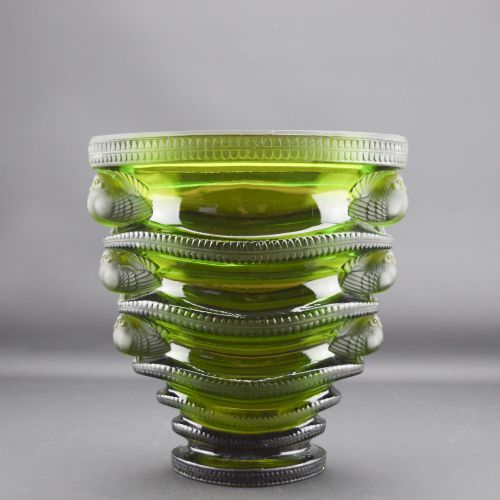
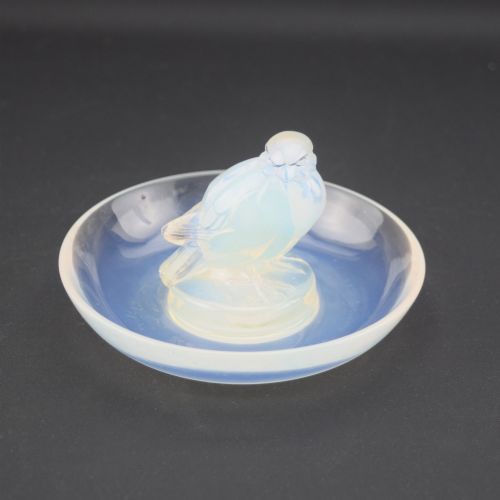
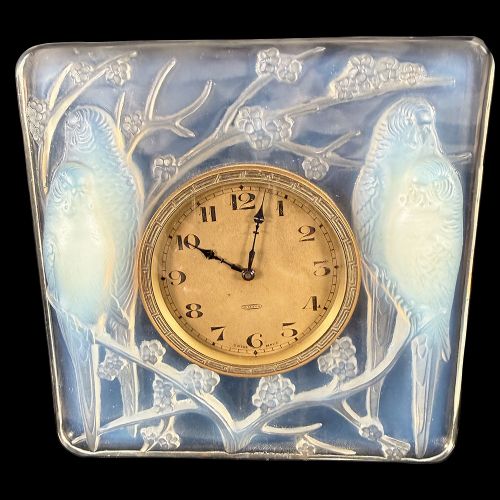
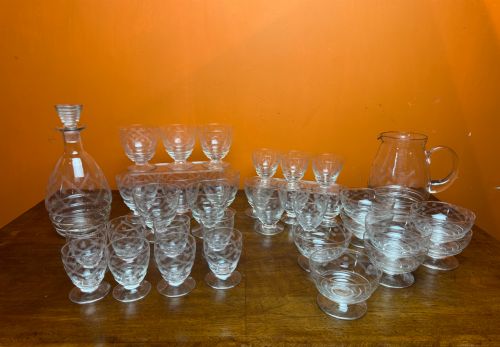
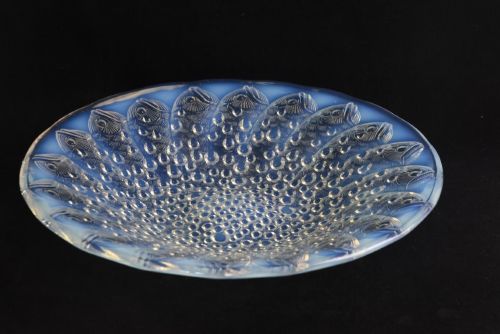
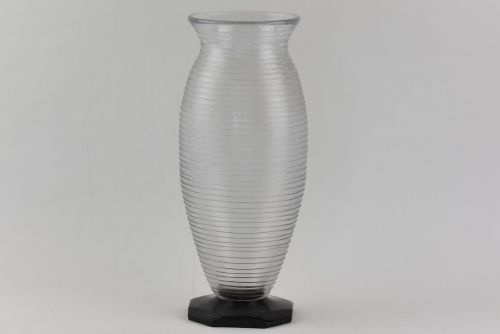
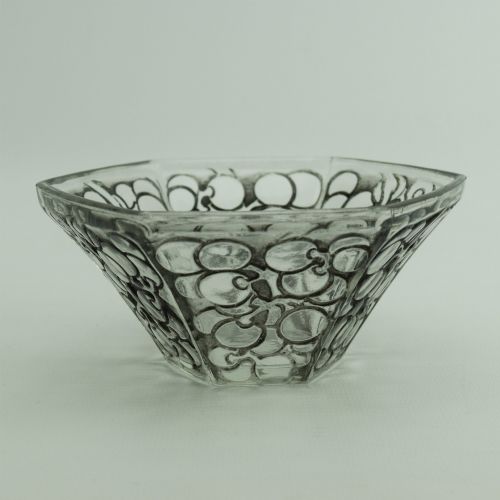
The selections on this page are dominated by twentieth century works, particularly moulded opalescent and crystal items from the 1920s and 1930s, alongside nineteenth century tablewares and decorative jars. Vases, bowls, perfume bottles, and drinking sets form the majority of the objects you will find.
Makers such as René Lalique, Gallé, Baccarat, Daum, and Schneider feature prominently in the material available. Whether handling a delicate gold enamelled floral vase or a heavy pressed glass bowl, each object reflects distinct stylistic shifts from floral Art Nouveau curves to streamlined Art Deco motifs.
How they were made
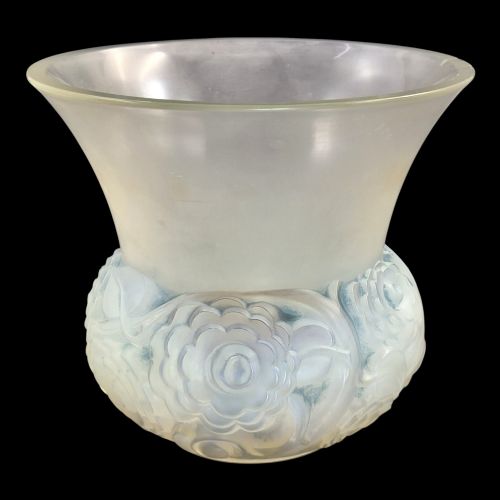
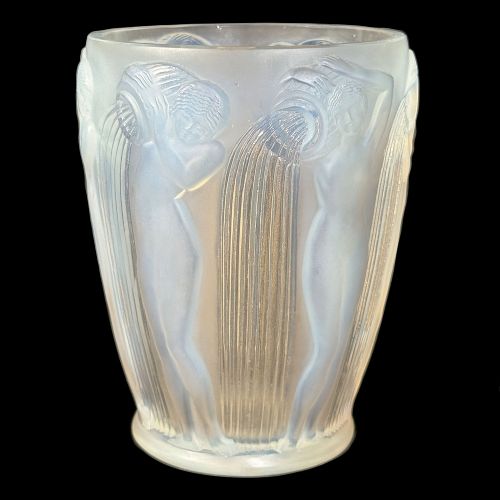
Artisans utilised hand blowing, mould pressing, and cameo layering techniques to create depth and texture in the glass. Cameo pieces involve acid etching multiple layers of coloured glass to reveal intricate botanical or landscape designs, while opalescent and frosted pieces rely on chemical compounds within the glass melt to scatter light.
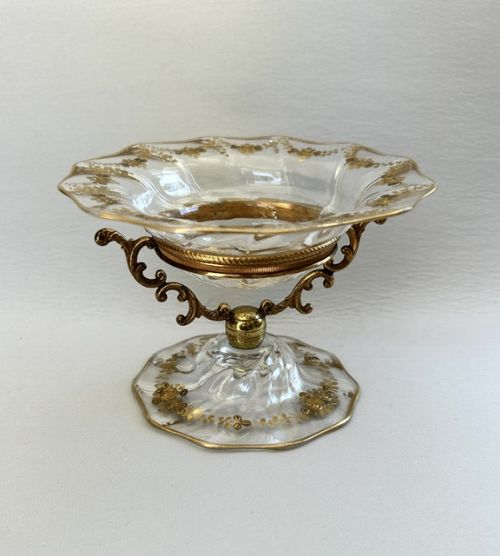
Surface ornamentation often includes hand applied gold leaf, enamel decoration, or acid staining in blues, sepias, and greens to accentuate moulded details. Wrought iron mounts and ormolu stands frequently complement the glass components, particularly in items produced during the Art Deco and Victorian periods.
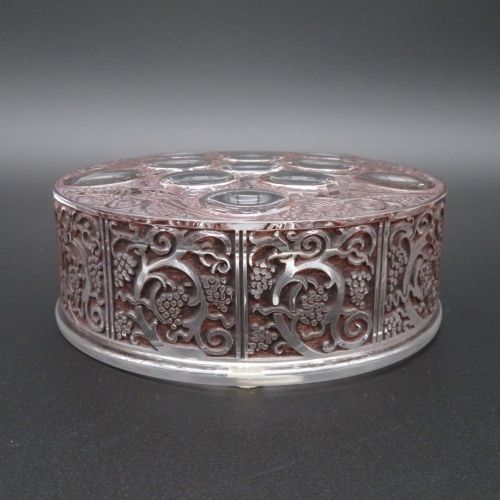
Several items double as functional accessories, including cigarette holders, powder boxes, and personal champagne ice buckets designed for elegant entertaining.
What varies in quality
The distinction between ordinary production and superior craftsmanship lies in the crispness of the mould relief and the subtlety of the surface staining. Finer pieces display sharply defined figures or botanical motifs without distortion, whereas lesser examples show softer contours and uneven colour distribution.
Weight and balance also dictate quality, particularly in heavy moulded bowls and vases where thick glass requires precise cooling to avoid internal stress fractures. The integration of metal mounts, such as wrought iron frames or ormolu stands, reveals the overall standard of the finished object.
Rene Lalique·Galle·Baccarat·Daum·Schneider
The Antique French Glassware Glossary
- Opalescent glass
- Glass that milky white appearance with translucent blue or amber highlights when lit from certain angles. This effect is achieved by adding specific minerals to the molten batch.
- Cameo glass
- Vessels formed from two or more distinct layers of coloured glass fused together. The outer layers are then carved or acid etched away to leave a raised design.
- Epergne
- A central table centrepiece featuring multiple detachable trumpets or baskets for holding flowers or fruit. Victorian examples in uranium glass are particularly distinctive.
- Opaline glass
- An opaque or semi opaque glass popular during the nineteenth century, usually rendered in pale pastel shades like white, turquoise, or pink.
- Latticinio
- A decorative technique involving fine opaque white glass threads twisted within clear crystal during the blowing process.
Antique French Glassware: Frequently Asked Questions
How do I identify authentic Lalique glass?
Authentic pieces usually bear moulded, engraved, or sandblasted signatures appropriate to their production period. Look for crisp details in the relief work and distinct opalescent fire.
Fakes often lack the weight, precise proportions, and optical depth found in genuine twentieth century French works.
What is cameo glass?
Cameo glass is formed by fusing layers of different coloured glass together before carving or acid etching the outer layer away. This leaves a contrasting raised design.
Master glassmakers utilised this laborious technique during the Art Nouveau period to depict natural scenes with remarkable tonal variation.
How should I clean antique glass?
Wash pieces gently in lukewarm water using a mild, non abrasive detergent. Avoid soaking items with metal mounts, enamel decoration, or gilt highlights.
Dry thoroughly with a lint free cloth to prevent water spots from forming on delicate frosted or opalescent surfaces.
What is opaline glass?
Opaline glass is an opaque or translucent material developed in France during the nineteenth century. It imitates the appearance of natural opal.
These pieces typically feature soft pastel hues and were frequently embellished with hand painted gilt designs or raised floral motifs.