




Lalique Glass Dish
A lalique glass dish brings tactile Art Deco elegance and milky opalescent depth to a table through moulded relief.
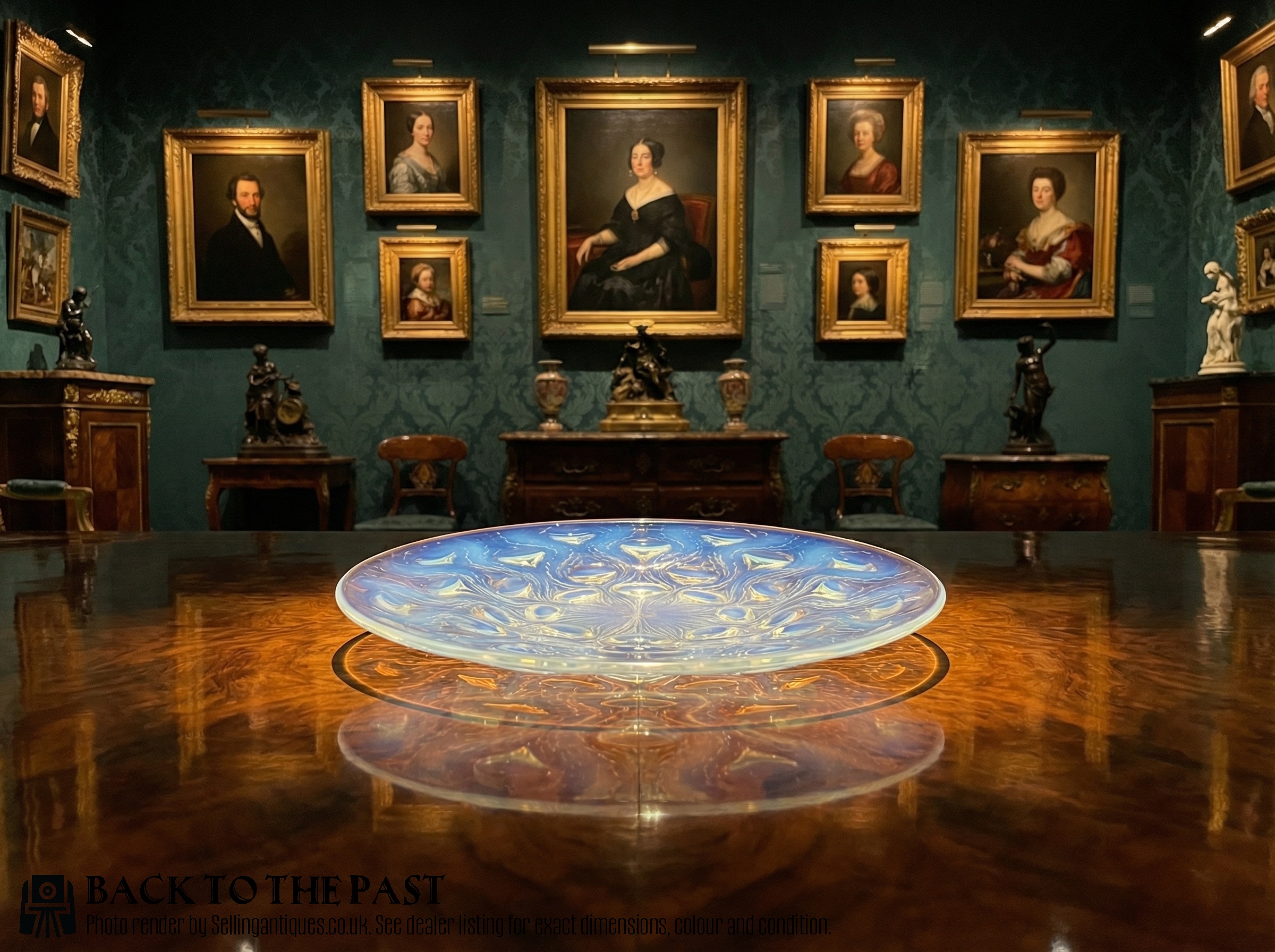
Lalique Glass Dish
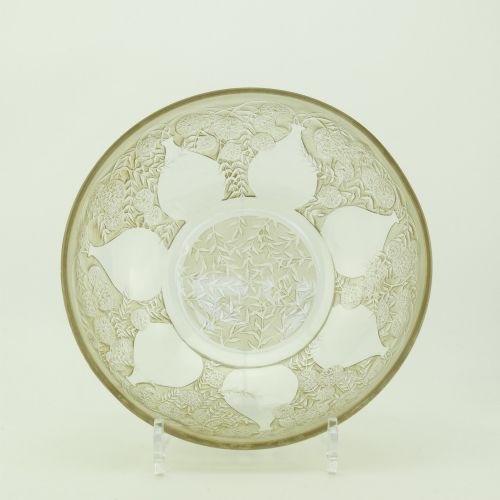
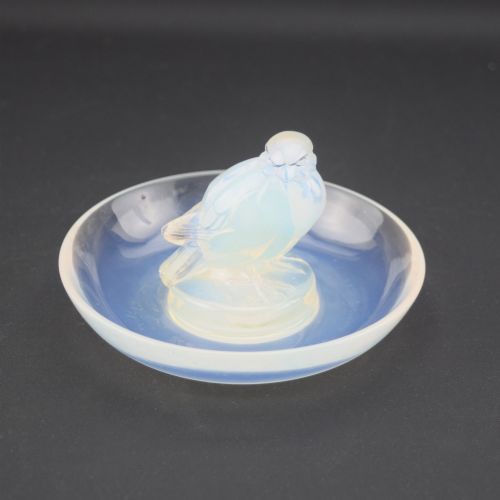
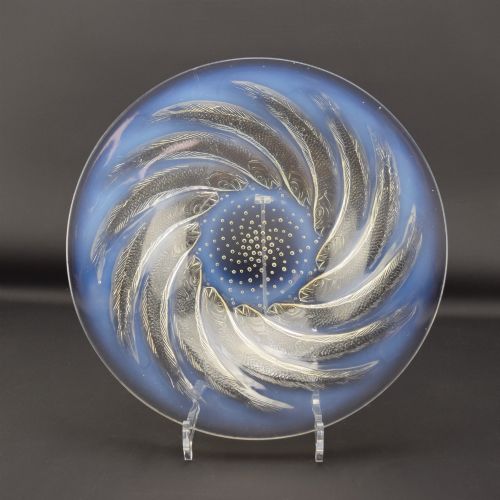
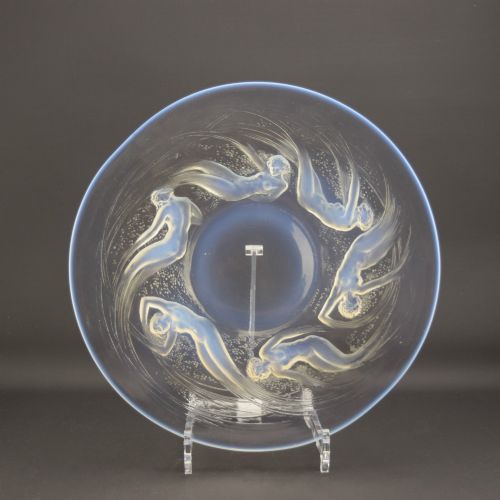
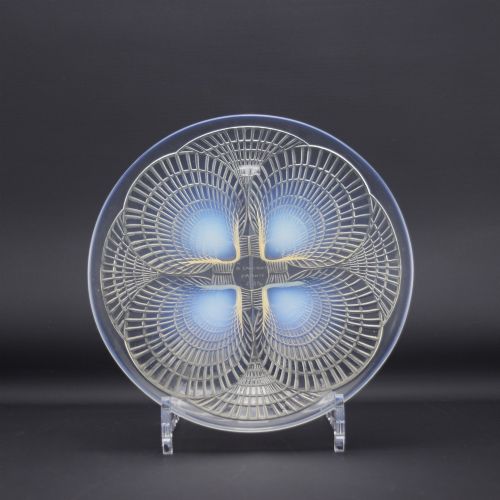
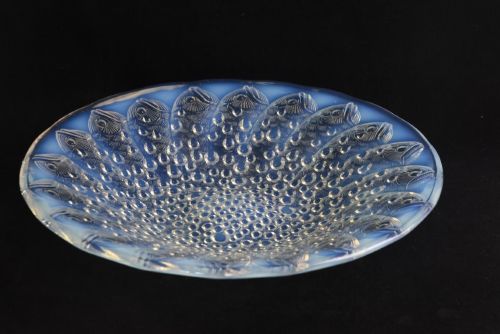
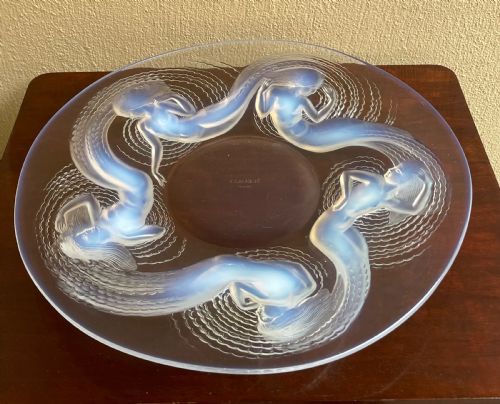
When you search for a lalique glass dish, you encounter decorative bowls, plates, pin dishes and chargers originating primarily from the Edwardian era through the nineteen-thirties. These pieces emerge in distinct named models like Coquilles, Ondines and Poissons, capturing aquatic motifs and botanical subjects in circular formats.
The version you meet most often on this page is the opalescent moulded glass bowl or shallow plate dating from the nineteen-twenties and nineteen-thirties. Such items display flora and fauna such as fish, leaves or blossoms rendered in high relief across clear or milky glass grounds.
Makers and designers from this tradition created functional table articles that double as sculptural objects, ranging from small pin dishes to large chargers. Each piece relies on thick glass walls and heavy pressing to give weight and presence to domestic tabletops.
Moulding and staining techniques
Production relies on moulded and pressed glass techniques where molten material enters heavy metal matrices to form deep relief patterns. Artisans then utilise clear, amber, or opalescent glass to achieve varying levels of translucency and light play.
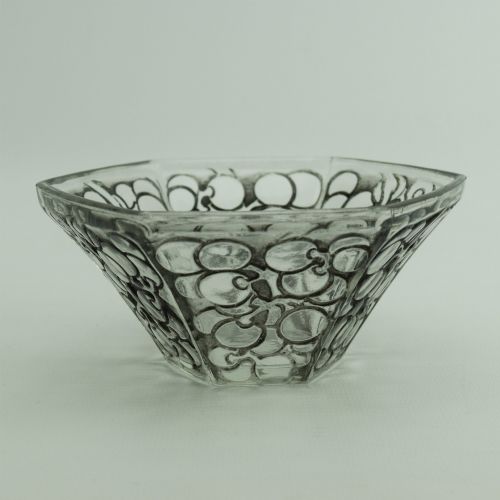
Secondary surface treatments include sepia staining, grey staining and enamelling applied to accentuate the recessed details of naturalistic motifs. These pigments settle into the crevices of the glass design to create contrast against the luminous body.
Materials recorded across the inventory include opalescent glass, amber glass, sepia stain and pressed clear glass.
Depth and finish
Quality rests in the intensity of the opalescent effect and the crispness of the moulded relief. Superior examples show vivid blue and amber shifts when turned in the light, whilst lesser items appear flat and grey.
The retention of original staining or enamelling defines the preservation standard. Pieces retaining their intended sepia or enamel highlights demonstrate greater fidelity to the maker's original design intent.
Rene Lalique·Verlys
The Lalique Glass Dish Glossary
- Opalescent Glass
- Glass containing chemical agents that cause it to appear milky-blue when viewed by reflected light and warm orange by transmitted light. This optical phenomenon defines much of the nineteenth and twentieth-century decorative output.
- Coupe Ouverte
- An open bowl or shallow vessel designed for display or serving. These large open forms frequently showcase elaborate botanical or figurative rims.
- Pin Dish
- A small shallow tray intended for holding small personal items like pins or trinkets. These compact pieces often feature central moulded motifs of animals or sirens.
- Charger
- A large decorative plate used as a base piece or centrepiece dish. They provide a wide canvas for expansive moulded glass compositions.
- Moulded Glass
- Glass shaped by being pressed into a metal or wooden form while hot. This technique allows for complex three-dimensional decoration in high relief.
Lalique Glass Dish: Frequently Asked Questions
How do I clean my lalique glass dish?
Wash the glass gently in warm soapy water using a soft cloth to protect the surface. Avoid harsh abrasives or soaking pieces that retain original enamel or staining.
Dry the item immediately with a lint-free towel to prevent water spots on the textured glass relief.
Were these dishes meant for daily use?
Most of these vessels served decorative functions on dressing tables, sideboards, or dining tables as centrepieces. Their heavy moulded construction allows for practical placement, though their artistic status encourages careful handling.
Smaller trays held pins or calling cards, while larger bowls functioned as fruit holders or standalone sculptural objects.
How can I tell the period?
Examine the stylistic cues, signature formats, and glass colours associated with the nineteen-tens, nineteen-twenties, and nineteen-thirties. Art Deco geometric frames and naturalistic Art Nouveau motifs provide chronological markers for dating.
The presence of specific named designs also helps anchor pieces within known production years from the interwar decades.
What causes the milky blue effect?
The milky blue appearance stems from special opacifying agents added to the molten batch during manufacture. Light scattering within the glass matrix produces this characteristic visual shift.
When held to direct light, these same areas often display a warm amber or yellow tone.