





Blue Glass Dish
When you search for a blue glass dish, you enter a diverse field of tableware and decorative vessels spanning Georgian, Victorian, and Art Deco periods.
Blue Glass Dish
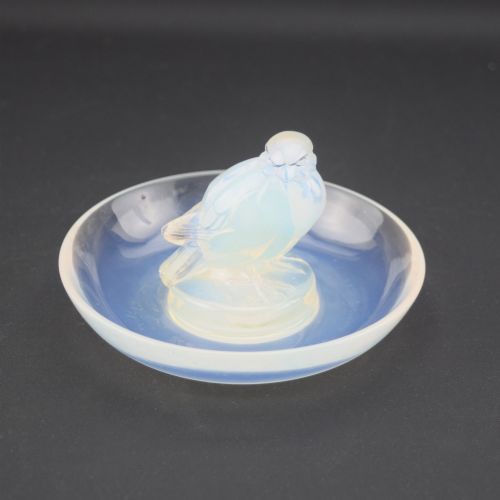
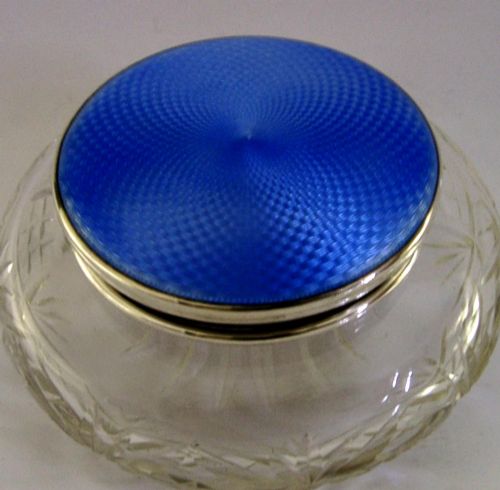
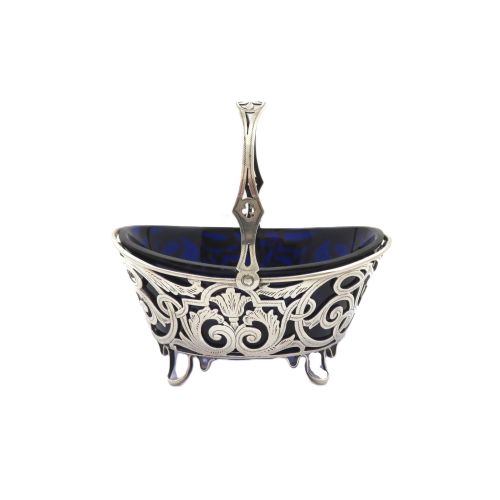
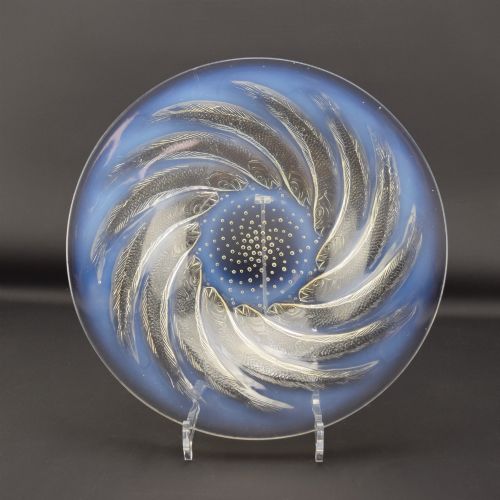
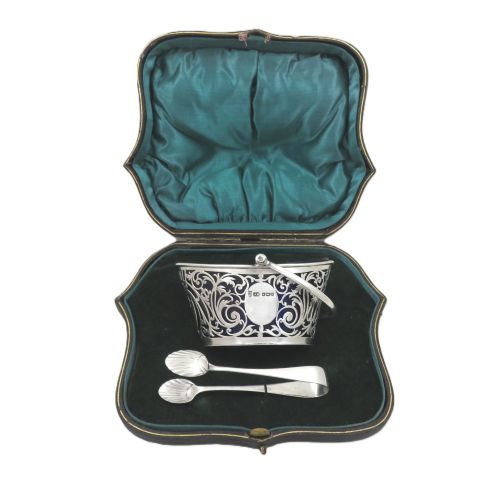
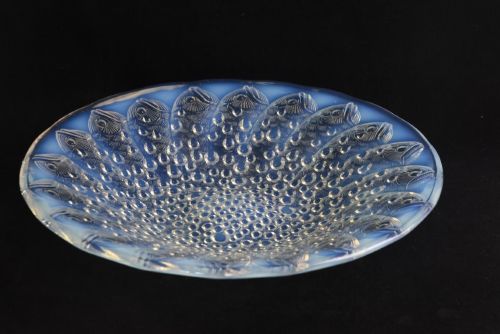
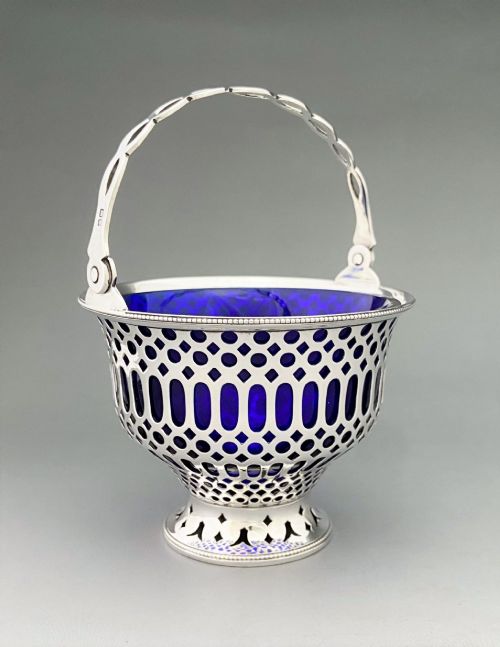
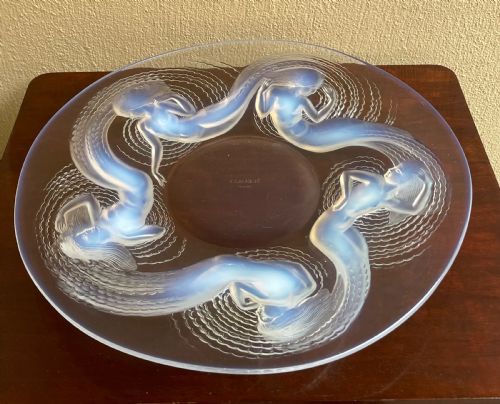
A blue glass dish encompasses a wide variety of forms found on this page, ranging from utilitarian salt cellars and sugar baskets to decorative bowls, plates, and dressing table jars. These pieces serve functional and ornamental roles across domestic settings, often accompanied by silver or plated mountings.
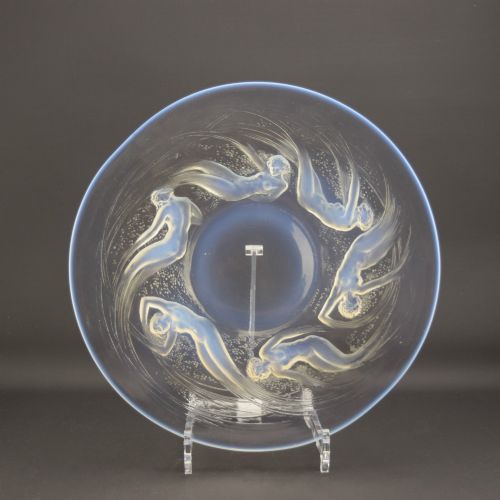
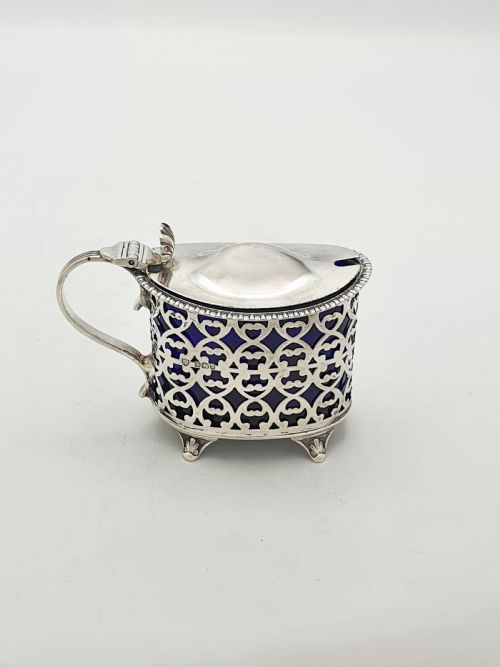
The objects frequently appear as standalone vessels in deep cobalt or opalescent tones, or as removable liners nestled within pierced silver and sterling frames. Buyers encounter examples stretching from the eighteenth century through the Edwardian era and into twentieth-century Art Deco designs.
Origins span British workshops, French houses, Bohemian makers, and German silversmiths, reflecting diverse regional aesthetics. The selection bridges formal tableware and dressing table accessories, united primarily by the presence of blue glass.
How they were made
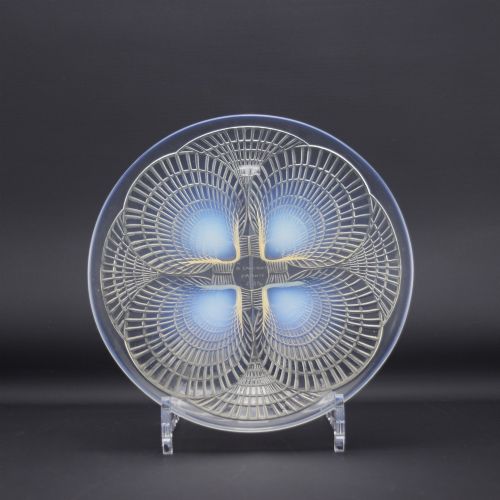
Makers utilised techniques such as mould-pressing, blowing, and cutting to shape the glass body, sometimes layering white latticinio canes or applying enamel decorations over the surface. Cobalt oxides produced deep blue colourations, while opalescent effects relied on specific chemical agents added during the cooling process to scatter light.
Metal components, including sterling silver, silver plate, and German 800 silver, were cast, pierced, and engraved to create secure mountings, swing handles, and protective frames for the glass inserts. Enamelling and silver-gilt details further embellished the metalwork on pots, jars, and condiment sets.
Listings feature opalescent glass, cobalt glass, and sterling silver across Victorian, Edwardian, and Art Deco periods.
What varies in quality
The refinement of the moulding and the depth of the opalescent or cobalt tone dictate the visual impact of the glass vessel. Crispness in pressed motifs, such as floral reliefs or geometric patterns, distinguishes superior production runs from simpler commercial wares.
The integration between the glass insert and its metal mount reveals the standard of craftsmanship, particularly in custom-fitted silver baskets and salt cellars. Intricately pierced silver frames, original liners, and signed designer pieces represent the higher tier of surviving examples.
Rene Lalique·Jobling·Loetz·David Davidson·Val St Lambert·Baccarat·Hannah Walton·Gunnar Ander·Joseph Simon
The Blue Glass Dish Glossary
- Opalescent Glass
- Glass that diffuses light to display milky, iridescent, or bluish highlights across raised moulded details. This technique gained prominence in twentieth-century decorative pieces.
- Cobalt Glass
- Deeply pigmented blue glass coloured with cobalt oxide. It provides a striking contrast when paired with polished silver mountings.
- Salt Cellar
- A small open vessel or container used to hold salt at the dining table. They frequently incorporate removable blue glass liners.
- Latticinio
- A glassblowing technique involving opaque white glass threads twisted within clear or coloured glass. It creates delicate net or cane patterns.
- Coupe Ouverte
- An open bowl or shallow vessel form often utilised by twentieth-century designers for decorative tableware.
Blue Glass Dish: Frequently Asked Questions
What are blue glass dishes used for?
These pieces served practical functions at the dining table and dressing table, holding condiments, sugars, butter, or small toiletries.
Over time, many transitioned into pure display items or decorative centerpieces due to their vibrant colour and form.
How do I identify the period of a piece?
Dating relies on a combination of manufacturing techniques, hallmark stamps on accompanying silver mounts, and stylistic markers.
Victorian and Georgian examples often feature heavy hand-finished mountings, whereas Art Deco items showcase stylised moulded motifs.
Are the silver mounts usually original?
Many items retain their original fitted frames, baskets, or salt cellars, particularly when secured by custom silver hallmarks.
Matching the glass liner to the age and wear of the metal frame helps confirm historical integrity.
How should I clean antique glass and silver?
Gentle washing in warm soapy water preserves both the glass surface and any delicate enamel work without causing abrasion.
Silver mountings require separate polishing with non-abrasive cloths to avoid contact with vulnerable glass edges.