
Vintage Desk Paperweight
A vintage desk paperweight keeps workspace papers anchored while bringing tactile metal, glass or stone to your daily routine.
Vintage Desk Paperweight
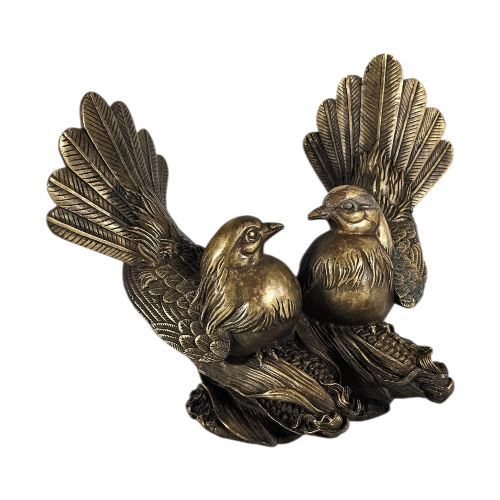
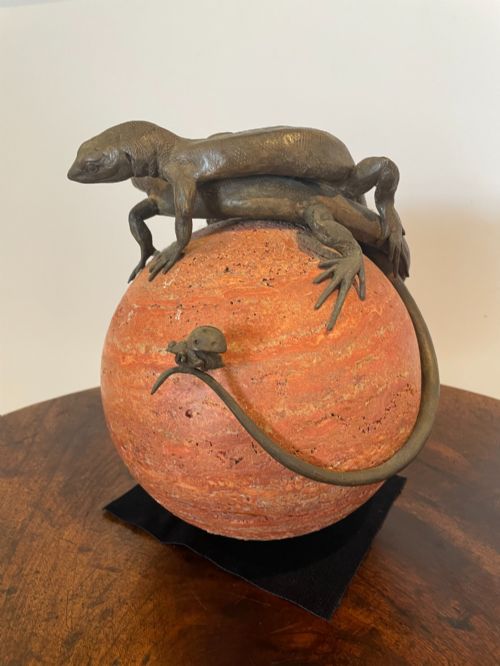
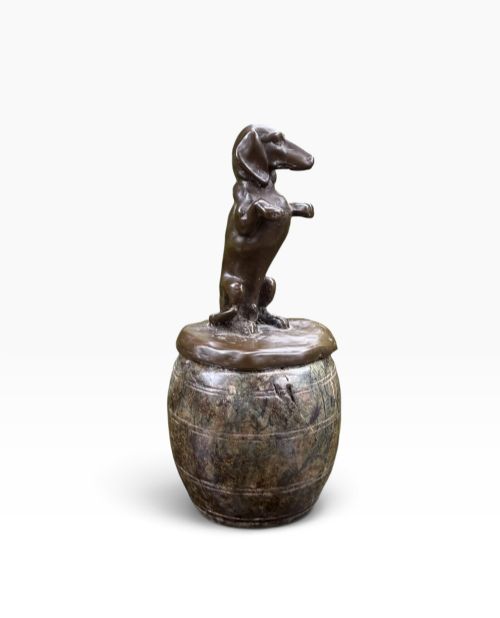
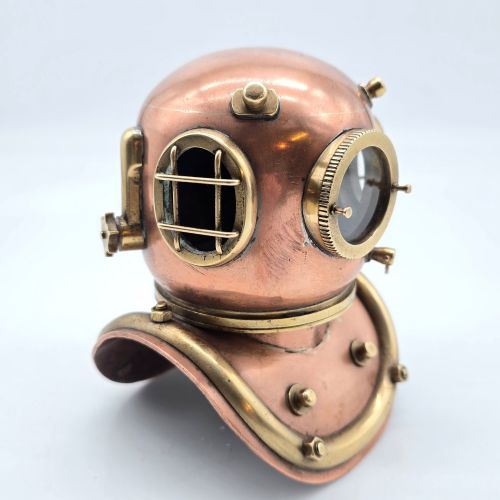
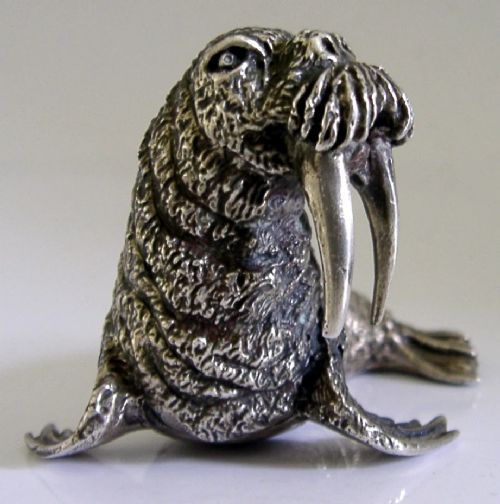
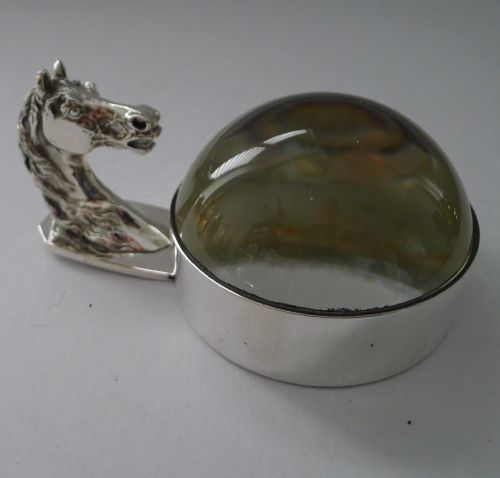
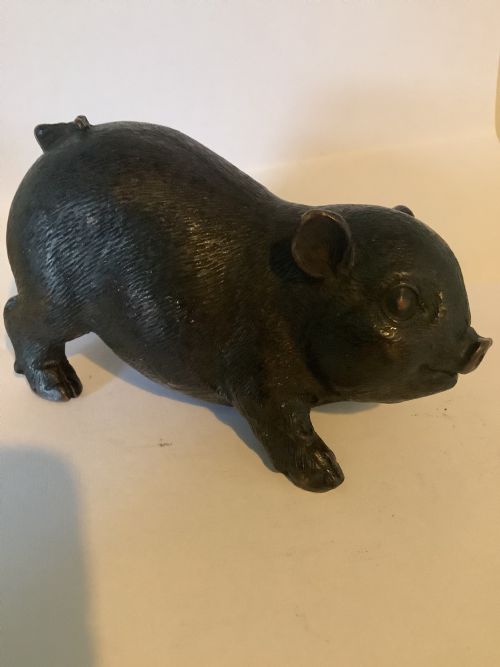
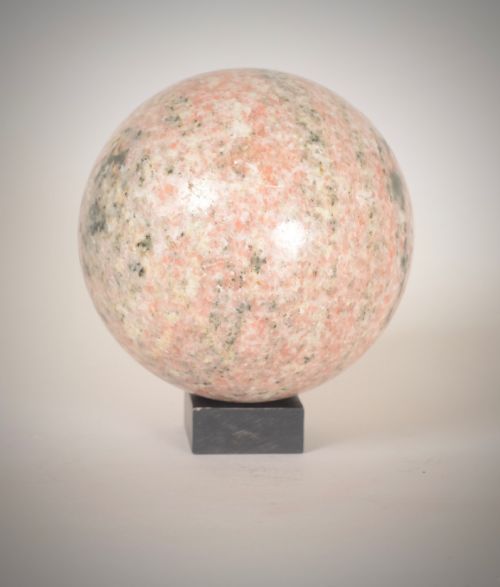
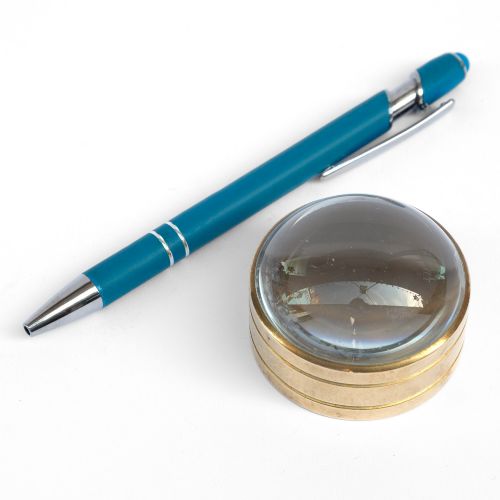
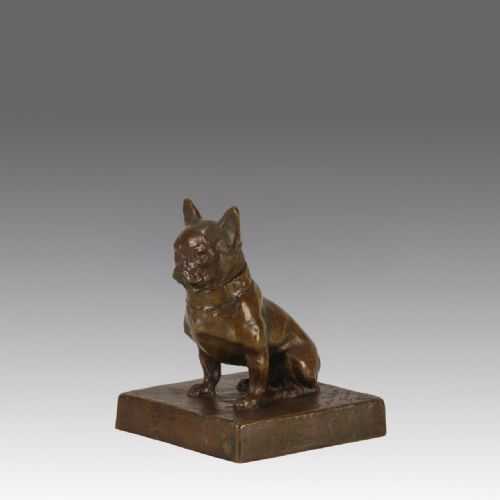
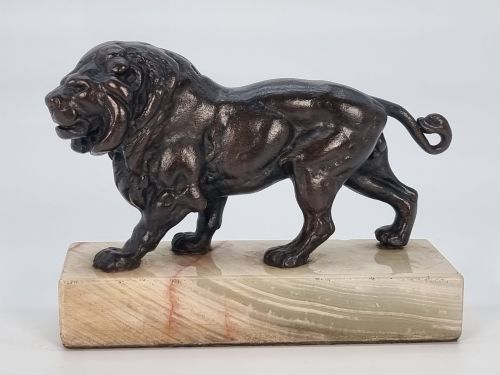
A vintage desk paperweight serves both a utilitarian purpose and a decorative function on a writing surface. Buyers seeking a vintage desk paperweight encounter a diverse array of forms, including cast metal animal figures, heavy mineral spheres, magnifying lenses, and intricate glass designs.
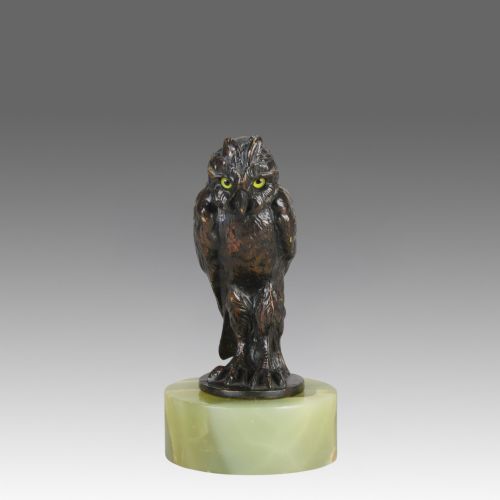
The selection ranges across the nineteenth century, Edwardian era, and the Art Deco period of the twentieth century. Animal studies and geometric desk ornaments predominate, alongside functional desk accessories such as calendars and magnifiers.
Many of these objects originate from British, French, and Austrian workshops, encompassing both natural materials like granite and serpentine marble and worked metals like sterling silver and bronze.
Materials and construction
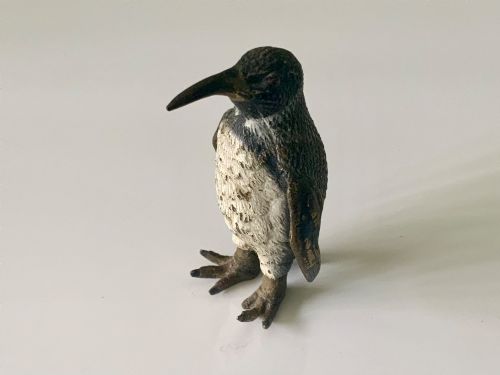
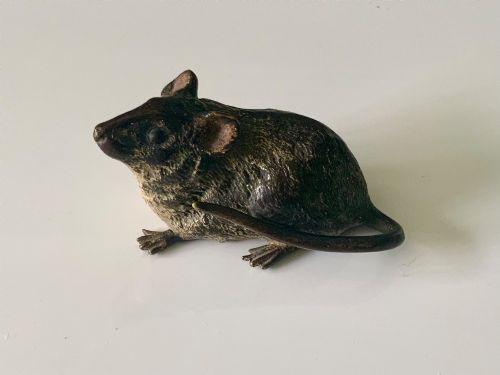
Metal pieces rely heavily on casting techniques, particularly the lost-wax method used for detailed bronze figures. Many bronze items from Austrian foundries feature hand-applied polychrome pigments known as cold painting.
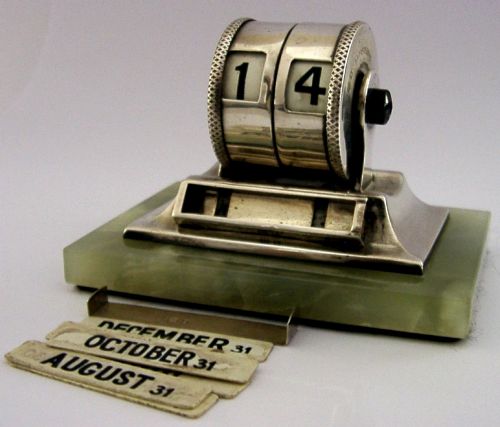
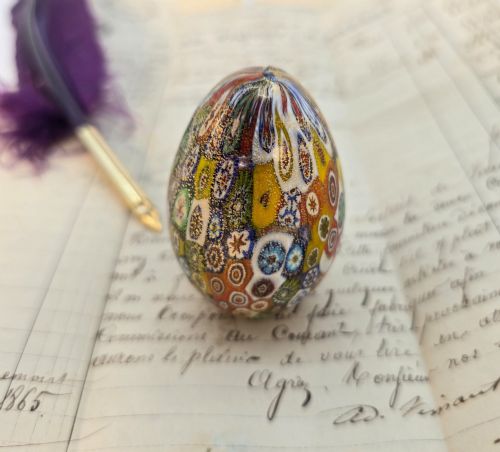
Glass objects utilise techniques such as millefiori work and mould-pressing, seen in Italian Murano pieces and French productions. Desk items frequently combine materials, mounting sterling silver, brass, or painted bronze onto heavy stone bases like green onyx or marble.
A cast iron paperweight immortalises the Manchester eccentric known as the Reverend Joshua Brooks.
Evaluating quality and execution
The degree of fine detail in cast metal sculptures distinguishes superior examples from simpler commercial output. Naturalistic rendering in animal studies, particularly in the feather or fur texturing, separates accomplished bronze work from plain castings.
In glass pieces, the clarity of the material and the precision of internal patterns define the standard of manufacture. Maker attribution and original patination or cold-painted surface preservation heavily influence the standing of an individual piece.
Dora Heber·Franz Bergman·Rene Lalique
The Vintage Desk Paperweight Glossary
- Cold-painted bronze
- Bronze sculpture painted with polychrome oil paints that are allowed to dry without kiln firing. This technique gained prominence in Austrian foundries during the late nineteenth and early twentieth centuries.
- Millefiori
- Glasswork technique involving multicolored glass canes sliced to reveal floral or geometric cross-sections. These sections are gathered within clear glass to form intricate optical designs.
- Animalier
- Artistic genre focusing on the realistic depiction of animals, particularly in sculpture. The style flourished in nineteenth-century France and influenced desktop bronze ornaments.
- Onyx
- Form of banded chalcedony quartz utilised as a substantial contrasting base for metal desk sculptures and calendars. Its weight makes it particularly suitable for desktop utility.
- Serpentine
- Group of green silicate minerals often polished for decorative stone objects and architectural elements. It provides a smooth, mottled surface texture for obelisks and heavy weights.
Vintage Desk Paperweight: Frequently Asked Questions
What materials were used for these?
Makers utilised a wide array of durable substances including cast bronze, sterling silver, brass, aluminium, and iron. Natural elements like granite, marble, serpentine, and onyx frequently provided heavy foundations.
Glass examples incorporate millefiori cane work and moulded forms, while smaller items sometimes feature leather or tortoiseshell detailing.
How do I date a bronze animal?
Dating relies on stylistic markers, foundry stamps, and casting methods. Pieces from the Victorian and Edwardian periods often display naturalistic patination and distinct mounting styles.
Twentieth-century items frequently reflect Art Deco geometric styling or specific regional manufacturing traits, such as Austrian cold-painting techniques.
Were these purely decorative?
Many objects served double duty as functional desk accessories alongside their primary role of holding down papers. Surviving forms include magnifying glasses, desk calendars, stamp moisteners, and pen holders.
Figurative sculptures and mineral spheres were purchased to adorn professional and domestic writing desks while keeping loose documents secure.
What is cold-painted bronze?
Cold-painted bronze refers to metal sculptures finished with oil-based pigments that dry naturally rather than undergoing high-temperature firing. This method was widely used in Vienna during the early twentieth century.
Preservation of this paint surface significantly impacts the character of the object, as the pigments are susceptible to wear over time.