





Antique Brass Paperweight
These heavy desktop objects served to anchor loose documents while bringing utility and sculptural form to the Victorian and Edwardian office.
Antique Brass Paperweight
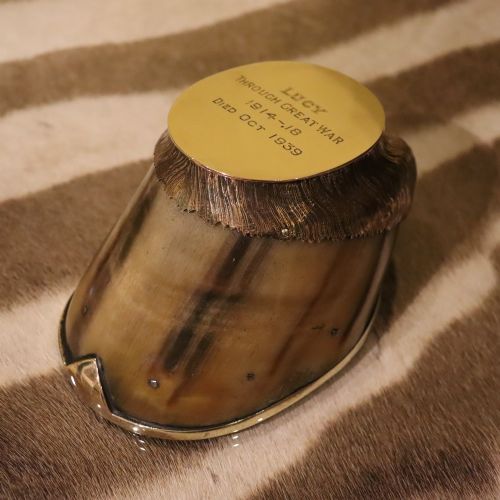
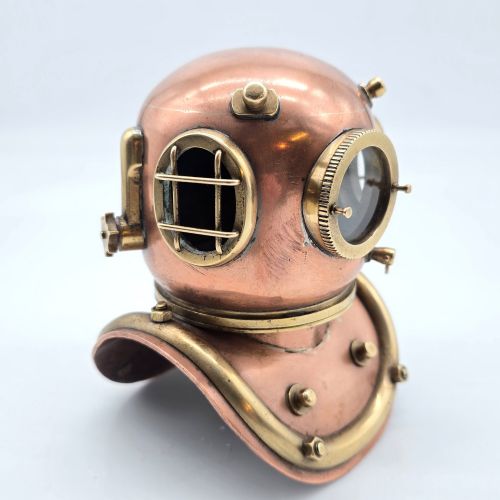
An antique brass paperweight is a utilitarian desk accessory designed to hold stationery in place through sheer density, often taking the form of figural sculptures, maritime models, or magnifying lenses.
The versions most commonly met on this page span the nineteenth and twentieth centuries, incorporating Victorian, Edwardian, and mid-century designs alongside traditional Scottish and maritime industrial pieces.
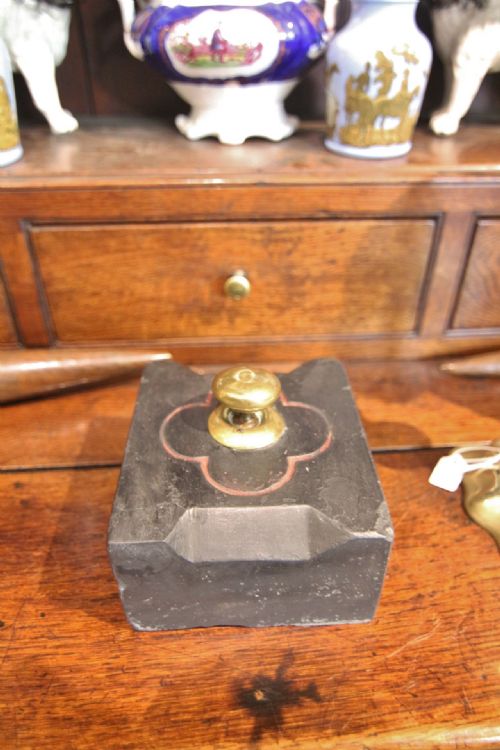
Makers utilised various mediums beyond pure metal, combining brass with wood, marble, granite, glass, and cast iron to create functional desk ornaments.
Materials and construction methods
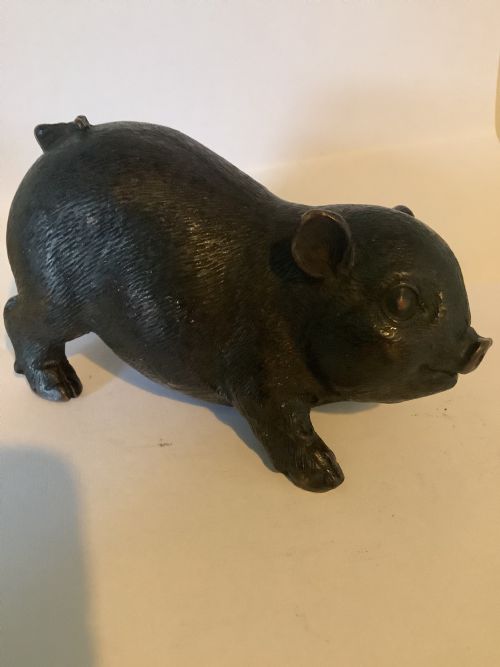
Foundry casting formed the primary method for shaping metal components, producing figural animals, anchors, and decorative cannons with detailed surface textures.
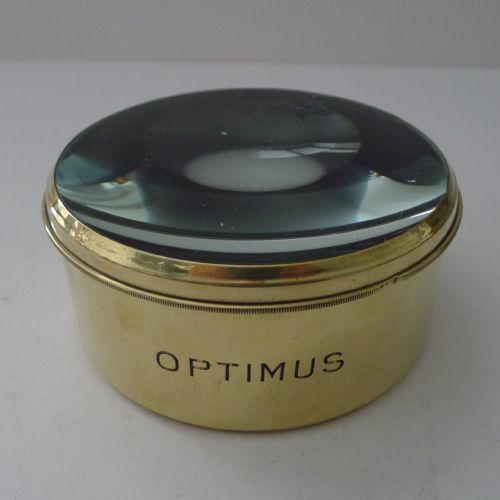
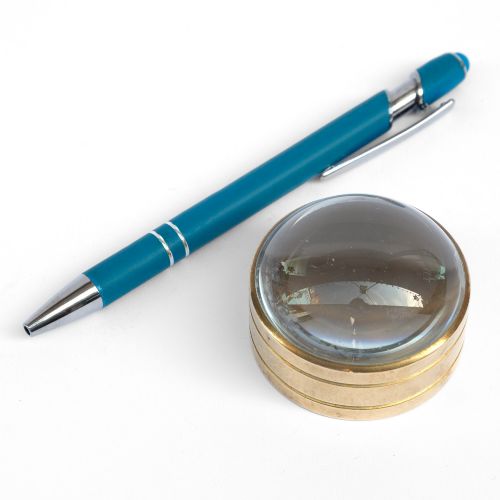
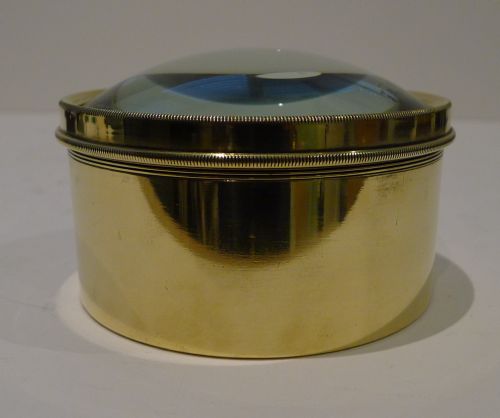
Makers combined heavy cast brass and bronze with inset magnifying glass lenses, mahogany mounts, or cast iron carriages to add weight and functional utility to the desk.
Surface finishing involved hand-polishing and detailing, creating tactile patinas on items ranging from Chinese bronze figures to British patent desk clips.
Antique Brass Paperweight Retail Price Guide 2026
Typical asking prices for brass paperweight among the pieces listed under this phrase on Sellingantiques today, from the lower quarter to the upper quarter. They describe what is for sale here now, not the wider market.
Listings span periods from the Victorian era through the mid-twentieth century, featuring brass, bronze, glass, and wood.
Assessing craftsmanship and design
Quality rests upon the crispness of the casting and the weight of the metal, distinguishing mass-produced desk hardware from finely rendered figural sculptures.
The integration of secondary materials, such as clear glass lenses mounted cleanly into heavy brass frames or fitted mahogany bases, elevates the standard of the piece.
Provenance and documented patents or registry marks separate standard utilitarian items from exceptional desk accessories.
Cindo Paris·Whitehouse And Son
The Antique Brass Paperweight Glossary
- Casting
- The process of pouring molten metal into a mould to shape figures, anchors, and desk accessories. This technique allowed Victorian and Edwardian foundries to reproduce complex sculptural details.
- Patina
- The surface sheen and colour developed on brass and bronze over decades of handling and exposure to air. A natural patina indicates age and regular use.
- Magnifying lens
- An optical glass insert mounted within a heavy metal frame to aid reading while anchoring paperwork. These lenses form a substantial category of the desk accessories found here.
- Desk clip
- A spring-loaded or levered brass mechanism designed to secure letters and notes to a wooden or metal base. They often incorporate perpetual calendars.
- Car mascot
- A miniature sculptural figure originally mounted on motor vehicles during the early twentieth century, occasionally repurposed or cast as a heavy desk ornament.
Antique Brass Paperweight: Frequently Asked Questions
How were magnifying glass paperweights used?
Magnifying glass paperweights served a dual purpose on the writing desk by combining an optical lens with enough weight to hold documents in place. Readers utilised the heavy brass frames to examine fine print, maps, and drawings while keeping papers secure.
These pieces often featured substantial brass mounts and bulbous handles designed for easy lifting.
How do I care for antique brass?
Antique brass requires minimal intervention to preserve its character and historical surface. Dusting with a soft, dry cloth prevents the accumulation of grime without disturbing the natural patina.
Harsh metal polishes and chemical cleaners should be avoided because they strip away the aged finish that collectors value.
How can I tell the age of a desk accessory?
Dating these items involves examining the manufacturing techniques, materials, and any visible patent or registration marks. Victorian and Edwardian pieces often display distinct casting methods, screw types, and stylistic influences such as Egyptian Revival or maritime industrial design.
Comparing the weight, wear patterns, and accompanying secondary materials like mahogany or cast iron helps narrow down the period.