

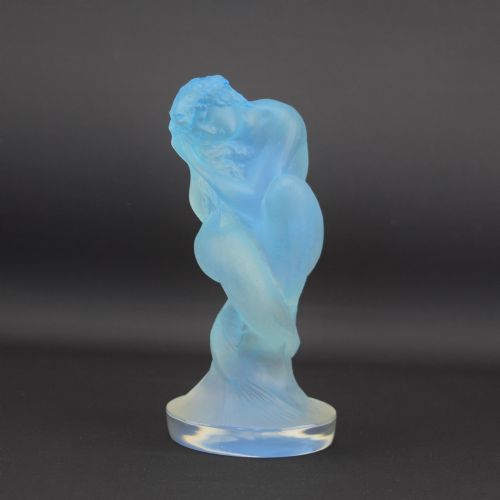


Moulded Glass Paperweight
These moulded glass paperweights combine period design with practical weight, offering a distinctive focal point for any desk or surface.

What They Are
A moulded glass paperweight represents a specific intersection of decorative art and functional deskware from the early twentieth century. When searching for a moulded glass paperweight, collectors encounter pieces originating primarily from the nineteen-twenties and nineteen-thirties during the height of the Art Deco period.
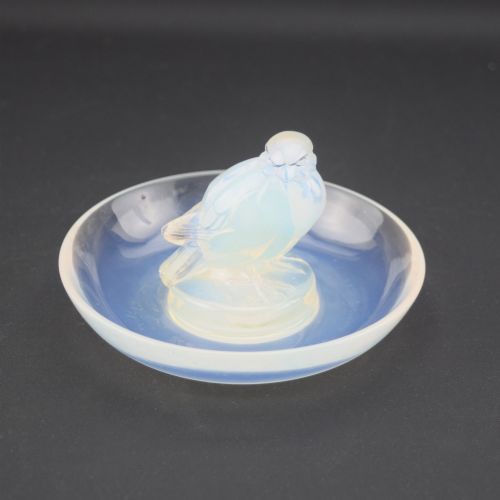
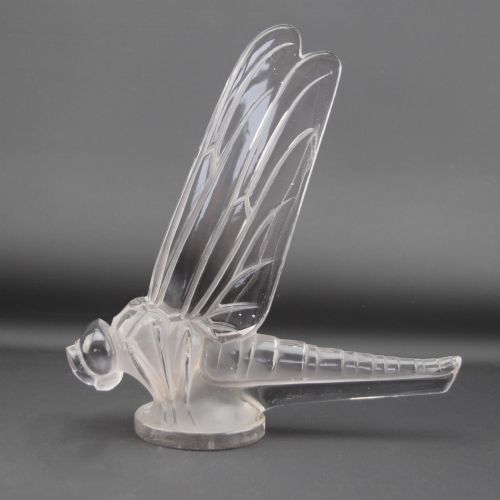
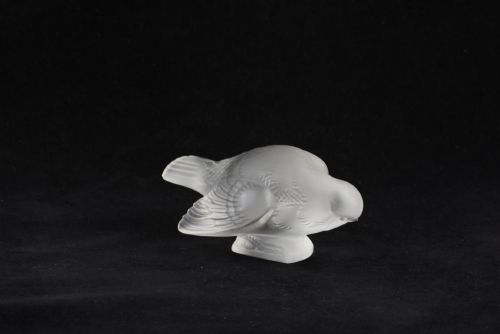
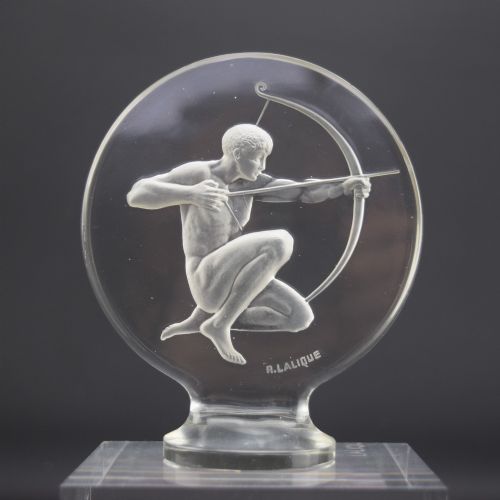
The objects take various sculptural forms, depicting birds and animals such as sparrows and wild boars alongside figural subjects. These items bridge the gap between utilitarian desk accessories and freestanding sculptures designed for display.
Most examples found in this category showcase the sculptural output of French glassmaking, utilising techniques developed during the interwar years. Each piece functions simultaneously as a heavy paperweight and an expressive work of decorative art.

How They Were Made
The creation of these objects relies on industrial moulding techniques adapted for artistic glass production. Molten material is pressed into metal moulds to achieve precise sculptural detail and heavy physical mass.
Makers employed various glass finishes including frosted surfaces, clear transparency, opalescent effects, and topaz coloration. These distinct optical qualities highlight the contours of the moulded design and create depth within the material.
Retail Price Guide 2026
Typical UK retail prices for moulded glass paperweight, calculated from the Sellingantiques database of over a million retail prices indexed since 2003. This retail price guide relies exclusively on Sellingantiques data; no external sources or auction records are used, so the figures do not describe the wider market.
Some spirited birds on your desk manage to stay perfectly still despite their avian heritage.
What Varies in Quality
The visual depth of the opalescence and the purity of the coloured glass distinguish finer artistic achievements from standard production. Execution of the sculptural form dictates the overall artistic success of each individual piece.
Rene Lalique
The Moulded Glass Paperweight Glossary
- Opalescent Glass
- Glass that diffuses light to display a milky blue or amber glow depending on the angle of illumination. This optical effect adds significant visual depth to moulded sculptural details.
- Frosted Glass
- Glass treated to achieve a matte, non-reflective surface texture through acid etching or sandblasting. It provides strong contrast against polished or clear sections.
- Pressed Glass
- Glass formed by placing molten material into a metal mould and pressing it with a plunger. This technique allows for complex patterns and consistent mass production.
- Car Mascot
- A sculptural ornament mounted on the radiator cap of an automobile during the early twentieth century. Many identical designs were produced in smaller formats to serve as paperweights.
- Art Deco
- The dominant design style of the nineteen-twenties and nineteen-thirties characterised by stylised forms and modern industrial materials. It strongly influences the geometry of these objects.
Frequently Asked Questions
What is a moulded glass paperweight?
A moulded glass paperweight is a heavy decorative object created during the early twentieth century, specifically within the Art Deco period. These items combine practical weight with artistic sculptural forms.
They frequently depict animals, birds, or human figures rendered in frosted, opalescent, or clear glass. Each piece serves both a utilitarian desk function and a purely aesthetic purpose.
How do I date these paperweights?
Dating relies primarily on the stylistic markers of the Art Deco movement and the production methods of the nineteen-twenties and nineteen-thirties. Specific animal and figural motifs correspond directly to these interwar years.
Examining the type of glass finish, such as opalescence or frosted moulding, also helps establish the era of manufacture. Comparing the form to known sculptural works from this period confirms the timeline.
Were car mascots also paperweights?
Many sculptural designs produced as automobile mascots during the interwar period were also issued as desk paperweights. Manufacturers frequently utilised the same moulds for both applications.
This crossover means certain bird and animal sculptures appear both mounted on vehicles and resting flat on desks. The physical dimensions and weight make them equally suited to both roles.
How should I display them?
Display these objects in spaces with adequate lighting to properly capture the qualities of frosted and opalescent glass. Natural daylight or directed interior illumination emphasises the depth and texture of the moulded surfaces.
Placing them on flat wooden or glass desks allows them to function practically as paperweights while remaining visible as sculptural art. Ensure they sit on stable surfaces away from edges due to their heavy glass composition.