



Vintage Car Bonnet Mascot
A vintage car bonnet mascot mounts to the front of a motor car to show personality, and collectors prize them for their striking sculpture.

Vintage Car Bonnet Mascot
When you search for a vintage car bonnet mascot, you encounter sculptural figures that mounted onto radiator caps or grilles. The selections span periods from nineteen hundred through nineteen forty, displaying varied forms.
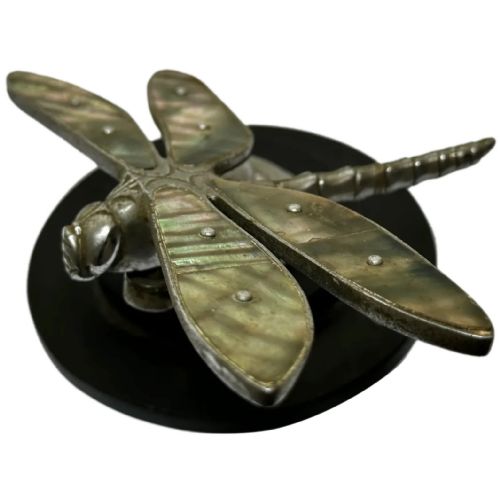
You meet animal figures like lions, pelicans, poodles, greyhounds, dragonflies, and boxer dogs alongside human forms and patriotic subjects. These objects double as desk accessories and paperweights when removed from vehicles.
The aesthetic leans heavily into Art Deco design, alongside Edwardian and mid-century automobilia styles. Origin points include British, Spanish, and Austrian workshops.
How they were made
Foundries cast these mascots in bronze, gilt bronze, brass, and chrome plated metal, applying cold painted colour details to specific animal figures. Metalwork techniques capture intricate textures on feathers, fur, and clothing.
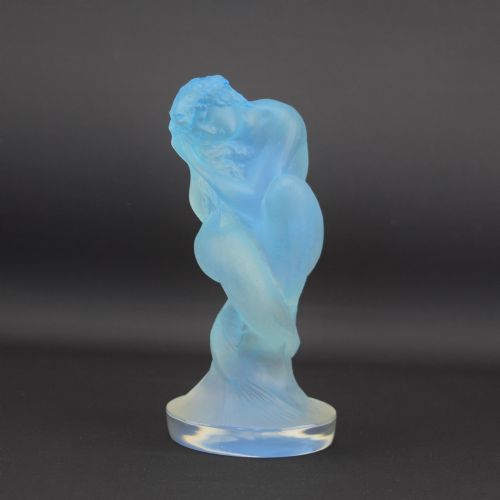
Glass artists utilised opalescent glass and frosted glass to shape figural designs such as sirens and peacock heads. These glass pieces catch daylight and illumination from behind on the vehicle bonnet.
Current listings feature items cast in bronze, brass, chrome, and moulded glass across Art Deco and Edwardian styles.
What varies in quality
The distinction between tiers rests in the fidelity of the sculptural casting and the reputation of the named maker. Works attributed to Rene Lalique or Louis Lejeune demonstrate superior artistic handling compared to anonymous pieces.
Material choice shifts the character of the object, where heavy cast bronze or moulded opalescent glass demands greater technical skill than standard chrome plated metal.
Rene Lalique·Louis Lejeune·Desmo
The Vintage Car Bonnet Mascot Glossary
- Mascot
- A sculptural figure mounted to the bonnet or radiator cap of a motor car. They served as personalised ornaments for motorists.
- Automobilia
- Collectable items associated with motor cars. This category encompasses mascots, badges, and related motoring accessories.
- Cold painted
- A method of applying non-fired paint to metal sculptures, frequently seen on Austrian bronze animal figures. This finish requires careful preservation over time.
- Opalescent glass
- Glass that displays milky or pearlescent colour effects shifting in the light. Rene Lalique utilised this material for striking radiator ornaments.
Vintage Car Bonnet Mascot: Frequently Asked Questions
How do I mount a vintage car bonnet mascot?
Most pieces feature a threaded base designed to screw directly into a dedicated fitting on a vehicle radiator cap. Collectors also display them indoors on wooden bases as desk sculptures.
Ensure the mounting hardware matches the original threading of the mascot to prevent damage to the metal.
What periods do these mascots come from?
The listings show pieces originating from nineteen hundred, nineteen twenty, nineteen thirty, and nineteen forty. Edwardian and Art Deco are the predominant aesthetic movements.
Earlier examples often utilise cold painted bronze, while nineteen thirties pieces frequently incorporate moulded glass.
Can I use glass mascots on a modern car?
Glass pieces like sirens and bird heads were made for historical motor cars and are vulnerable to road debris and vibration. Most owners preserve them indoors or display them on stationary vehicles.
Desk placement keeps opalescent glass and frosted glass safe from highway hazards.
How do I clean bronze and brass mascots?
Dust metal surfaces gently with a soft brush to protect patination and cold painted details. Avoid harsh chemical polishes that strip historical age.
Bronze and gilt bronze require minimal intervention to retain their original appearance.