


Rene Lalique Car Mascot
Rene Lalique car mascot pieces embody Art Deco design, combining moulded glass forms with metal mounts for motoring elegance.

Rene Lalique Car Mascot
When someone searches for a rene lalique car mascot, they are looking at decorative ornaments designed to adorn the radiator caps of automobiles during the interwar period. These objects transitioned from motor accessories into collectible decorative objects and paperweights.
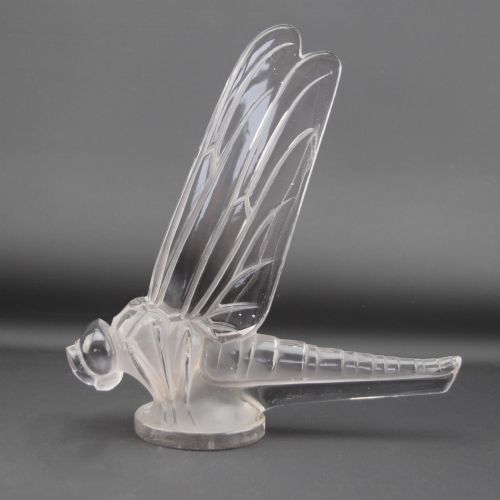
The pieces on this page originate predominantly from the 1920 and 1930 decades, capturing the distinct aesthetic of the Art Deco movement. Common animal and figural forms include birds, fish, insects, and mythological subjects.
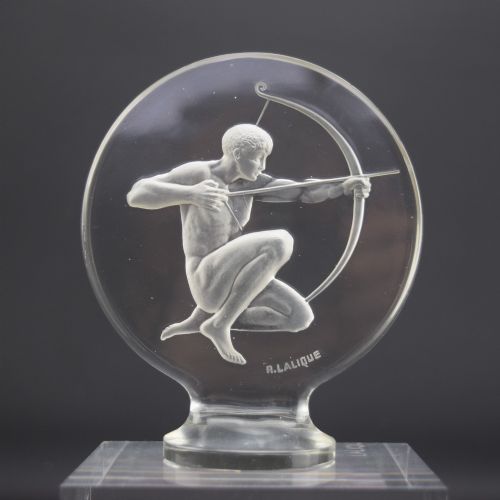
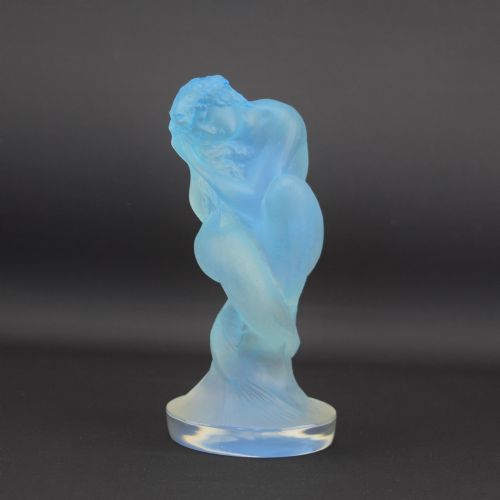
The most likely versions to encounter here are moulded glass mascots depicting figures such as the Sirene, Archer, or various animal heads. Many of these items were produced in variations featuring opalescent or clear and frosted glass.
How they were made
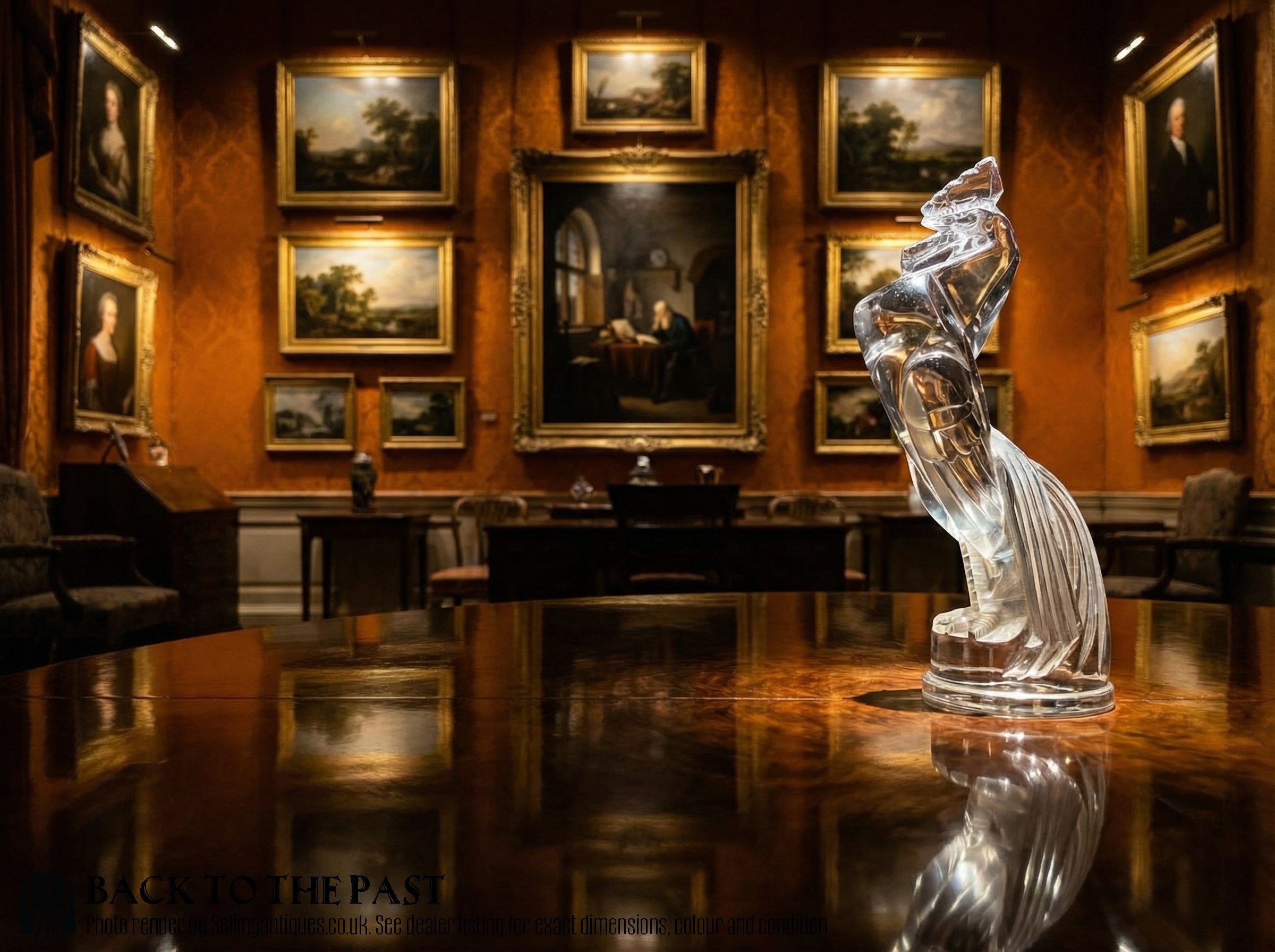
Makers utilised glass moulding and pressing techniques to shape molten material into complex figurative designs. The resulting objects relied on physical depth and relief to catch natural light.
Frosted glass and clear glass treatments were contrasted through acid etching or polishing. Opalescent glass variations incorporated chemical agents that created shifting blue and amber tones when illuminated from behind.
Metal mounts, occasionally supplied by workshops such as the Guild of Handicraft, provided the physical attachment needed to secure the glass securely onto a vehicle.
Drivers in the 1920s could illuminate their glass mascots from underneath at night, turning highway travel into an impromptu light show.
What varies in quality
The quality of the glass body itself, particularly the intensity and play of opalescence across the surface, dictates visual impact. Colour variations, such as amber, topaz, or grey-green tones, alter the way light interacts with the mass.
The presence and originality of accompanying metal mounts or specific period fixings contribute significantly to the integrity of the piece.
Rene Lalique·Guild Of Handicraft
The Rene Lalique Car Mascot Glossary
- Car Mascot
- A sculptural ornament mounted on the radiator cap of a motor car. These items served as both personal expression for the motorist and aerodynamic decoration.
- Opalescent Glass
- Glass that displays a milky, translucent appearance with differing tones visible in transmitted and reflected light. This effect relies on specific chemical additives during the cooling process.
- Frosted Glass
- Glass treated to achieve a matte, non-reflective surface texture. This finish is frequently contrasted with polished clear glass to accentuate sculptural contours.
- Art Deco
- The dominant design style of the 1920s and 1930s characterised by stylised motifs, symmetrical patterns, and streamlined forms. It influenced architecture, fashion, and automotive accessories alike.
- Moulded Glass
- Glass formed by pressing molten material into a metal or wooden matrix. This method allowed for consistent production of intricate three-dimensional reliefs.
Rene Lalique Car Mascot: Frequently Asked Questions
What is a rene lalique car mascot?
These items are sculptural glass ornaments originally produced in France during the 1920s and 1930s for mounting on automobile radiators.
Over time, many examples transitioned from vehicle use into desktop display objects and paperweights.
Why do some glass pieces change colour?
Opalescent glass contains specific chemical agents that react to light, causing the material to appear blueish in daylight and warm amber when backlit.
Different colour variants, such as topaz or grey-green, were achieved through distinct chemical formulations in the molten batch.
How do I identify the subject of a mascot?
The designs draw heavily from nature and mythology, depicting creatures such as falcons, stags, frogs, and sirens.
Latin or French titles often denote the specific animal or figure represented, such as sanglier for wild boar or libellule for dragonfly.